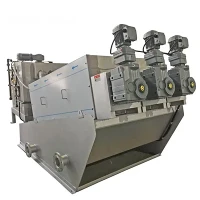


An unexpected olive oil flavor or appearance needs a structured investigation. Separate normal sensory variation from recognized defects, then compare fruit condition, process records and storage history. A symptom rarely proves a single equipment fault.

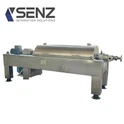
SENZ olive oil decanter reference image. Fruit quality, separation settings and storage all influence the final product.
Is bitter olive oil defective?
Bitterness and pungency are positive sensory attributes of virgin olive oil and can be pronounced in sound oils. Their intensity varies with variety, maturity and processing. Do not diagnose underripe fruit, overheating or a defective batch from bitterness alone.
A burnt, heated or otherwise abnormal flavor should be evaluated separately. Review paste temperature and residence-time records, fruit condition and cleaning history. A trained panel can distinguish recognized defects from an oil's normal bitter or pungent character. The IOC sensory methods provide a formal assessment framework.
Why does the oil smell rancid?
Rancidity is associated with oxidation. Review oxygen exposure, light, temperature, storage duration, tank headspace, transfer practices and packaging. Compare retained samples from the separator, storage tank and finished product where available; this helps identify when deterioration appeared.
Arrange appropriate laboratory and sensory assessment rather than relying on one peroxide result. A low peroxide value alone cannot establish that oil is fresh, since oxidation products change during deterioration. Do not expect a decanter adjustment to reverse rancidity.
Is cloudy oil a quality problem?
Fresh oil may contain suspended solids and water droplets, and chilled oil may also appear cloudy. Appearance alone does not establish grade or shelf stability. Identify the cause with temperature history, moisture and insoluble-impurity checks.
If clarification changes unexpectedly, review separator cleanliness, feed conditions, discharge behavior and the approved settings for that model. Sediment and residual moisture can create storage problems; settling, filtration or clarification should follow a validated product and storage plan.
What should I check when oil yield drops?
First verify measurement accuracy and whether the incoming fruit's oil and water content changed. Compare like-for-like lots and distinguish saleable oil per tonne of fruit from extraction recovery relative to the oil present.
Then review paste preparation, malaxation conditions, feed rate, torque, bowl and differential speeds, and outlet behavior. Analyze representative pomace and water samples for residual oil using consistent methods. Touch or visual inspection alone cannot quantify the loss. Change one permitted setting at a time and record the result.

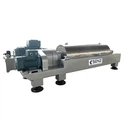
Reference equipment image. Troubleshooting should use the model-specific manual and measured process data.
Where do musty or fermented odors come from?
Damaged fruit, unsuitable holding conditions and delays before processing can contribute to musty or fermented defects. Inspect receiving records, fruit containers, ventilation, hygiene and storage time. Also inspect paste and oil contact surfaces for retained material or contamination. Segregate suspect lots and investigate before blending or releasing product.
Does oily vegetable water prove separation failure?
It can indicate oil loss, but a surface appearance does not quantify it. Confirm the outlet arrangement first: a two-phase system does not have the same principal discharge streams as a three-phase system. Take representative samples, measure residual oil and record stream flow or mass so the loss can be estimated.
Check feed variability and approved liquid-discharge settings. Fixed weir plates normally require a stopped, isolated machine for adjustment; an adjustable impeller can be changed during operation only where the design and instructions permit.
Why do successive batches taste different?
Variety, maturity, weather, fruit condition and processing can produce legitimate differences. Compare a known acceptable batch with the suspect batch using traceable samples and the same evaluation method. A developing defect or consistent drift deserves investigation rather than being dismissed as seasonal variation.
What information should an investigation record?
- Fruit lot, variety, ripeness, damage and handling times.
- Paste temperature and mixing time, feed rate and machine settings.
- Oil, pomace and water sample identities and analytical basis.
- Cleaning, maintenance, alarms and unusual stoppages.
- Storage tank, transfers, temperature, packaging and release results.
Hold questionable product for assessment. Use qualified personnel and the equipment manual for inspection; stop and isolate machinery before accessing internal components.
Related olive mill resources
- Olive oil decanter shift records
- Olive oil centrifuge sizing checklist
- Planning water and pomace handling
- Olive oil decanter centrifuge
Discuss a recurring separation problem
When seeking help from China centrifuge manufacturers, provide batch records and analysis results. A factory or supplier can assess machine-related causes more effectively with evidence. Contact SENZ for an equipment application review.