



Milk Separator
Why Choose Us
Advanced Equipment
We own various kinds of inspection and testing facilities with value over USD10 million. 18 testing tables, high speed dynamic balancing machine, ultrasonic flaw detection machines.etc.
Advanced testing equipment
We are equipped with complete testing, inspection, analysis control system, advanced testing machines and stimulative working condition test table and automatic control testing system,which guarantees our new product research, processing validation and quality.
Global Market
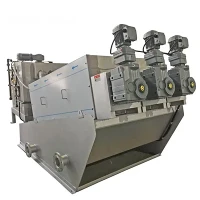
Now there are over 180 series or decanter centrifuges and disc separators used home and abroad. Including U.S.A, Canada, Australia, Russia, Brazil, Singapore and so on totally 70 countries.
Accept ODM/OEM service
You can discuss your purchasing needs with our customer service center. We also welcome OEM and ODM orders.
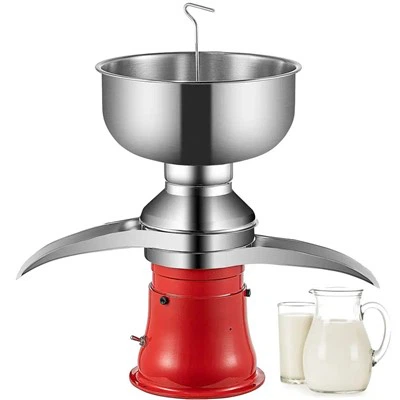
A cream separator is essentially a device that makes the complex science of cream separation remarkably straightforward for the end user. Fundamentally, it splits the milk into two major components: cream and skimmed milk. This function might sound complex when considering the science that enables it. Centrifugal force, differing densities, and carefully engineered machine components all come into play. However, the user experience is a far simpler matter. Operating a cream separator machine and maintaining it afterward is a straightforward process. Let's consider the journey of a dairy farmer who uses a cream separator. Whether you're a large-scale farmer or a hobbyist with a home dairy operation, the process starts with fresh, raw milk. After ensuring the milk is properly cooled, you pour it into the separator, which is where the magic happens.


Product Categories
Latest Products




Improving Efficiency in Dairy Production
One of the significant advantages of milk cream separators is their ability to enhance the efficiency of dairy production. Prior to the invention of these machines, cream separation was a labor-intensive and time-consuming process. Manual methods involved allowing the milk to settle naturally, and then carefully skimming off the cream layer. Milk cream separators have streamlined this process, enabling faster and more efficient separation. This increased efficiency allows dairy farms to process larger quantities of milk in less time, leading to improved productivity and profitability.
Ensuring Consistent Cream Quality
Milk cream separators are also crucial for ensuring consistent cream quality in dairy production. By separating the cream from the milk at a controlled and standardized rate, these machines produce cream with a consistent fat content. This is essential for various dairy products, such as butter, whipped cream, and ice cream, where precise fat content is required to achieve the desired texture, taste, and quality. By using milk cream separators, dairy producers can maintain a high level of consistency in their cream-based products, thus enhancing customer satisfaction and loyalty.
Increasing Shelf Life of Milk
Another important benefit of milk cream separators is their role in increasing the shelf life of milk. The separation of cream from milk reduces the overall fat content in the milk, which in turn inhibits the growth of bacteria and other microorganisms that contribute to spoilage. By removing the cream, milk cream separators help extend the freshness and quality of milk, allowing it to stay consumable for a longer period. This is particularly valuable for dairy producers who need to transport their milk over long distances or store it for extended periods before processing.
Utilizing By-Products
Milk cream separators also enable the utilization of by-products in dairy production. The separated cream can be used to produce various high-value dairy products like butter, ghee, and cheese. Additionally, the skim milk obtained from the separation process can be used as an ingredient in other dairy products or as animal feed. By making efficient use of these by-products, dairy producers can maximize their resources, reduce waste, and generate additional revenue streams.
Types of Milk Separator
Hand-Operated or Manual Cream Separator
It does not require electricity, is affordable, and works silently. It works by manually turning the handle that rotates the separator bowl. Manual Cream Separator price ranges according to the different designs and models. This type of milk cream separator machine is used for home use to separate cream and skim milk in batches at small-scale dairy farms.
Electric Cream Separator
It is powered by an electric motor that rotates the separator bowl at a fast speed. It is more convenient and it is compatible with large-scale operations. More convenient than manual cream separators. Electric Cream Separators' price range is higher than the manual ones.
Online Cream Separators
It has a high degree of automation and accuracy. It is used in large-scale dairy operations where thousands of liters of milk are processed per hour. This type of separator is connected to a continuous flow of milk with Continuous Milk Pasteurizers, thus this is the continuous-type cream separator.
Offline Cream Separators- It is used in small
Scale dairy operations, or for special purposes such as separating cream from whey or buttermilk. This machine operates in batches, thus this is the batch-type cream separator. Usually, these machines have eclectic motors underneath the Bowl Assembly.
Hermetic Cream Separator
This type of separator operates in a vacuum, it is sealed from the external environment. Prevention of air reduces foaming, oxidation, and bacterial growth. This type of separator is specialized in producing a high-quality product with an increased shelf-life.
How to Choose Milk Separator
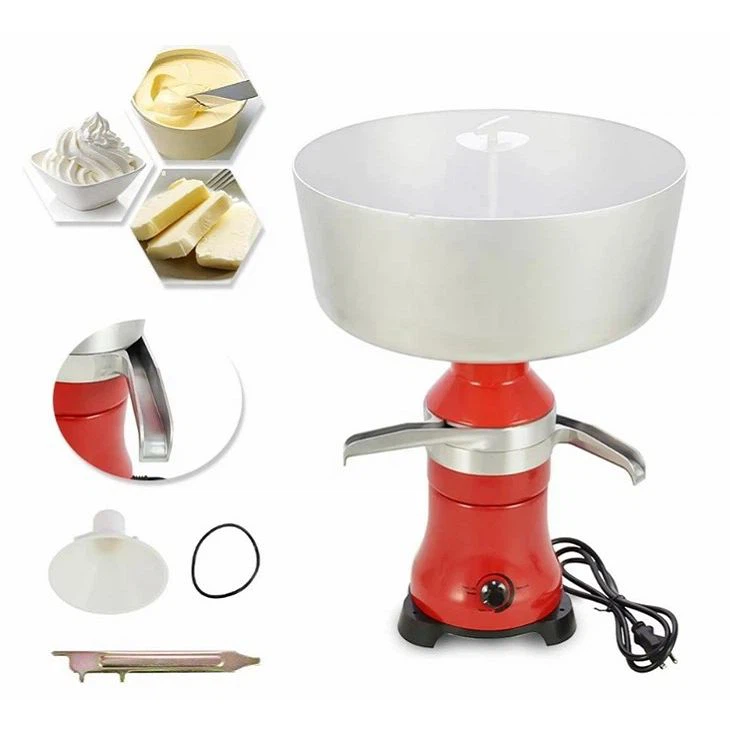
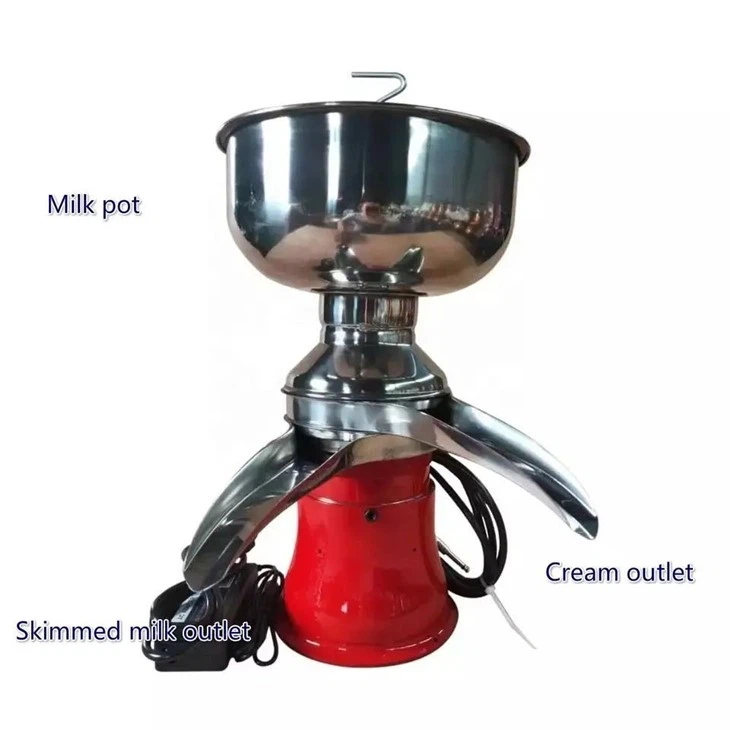

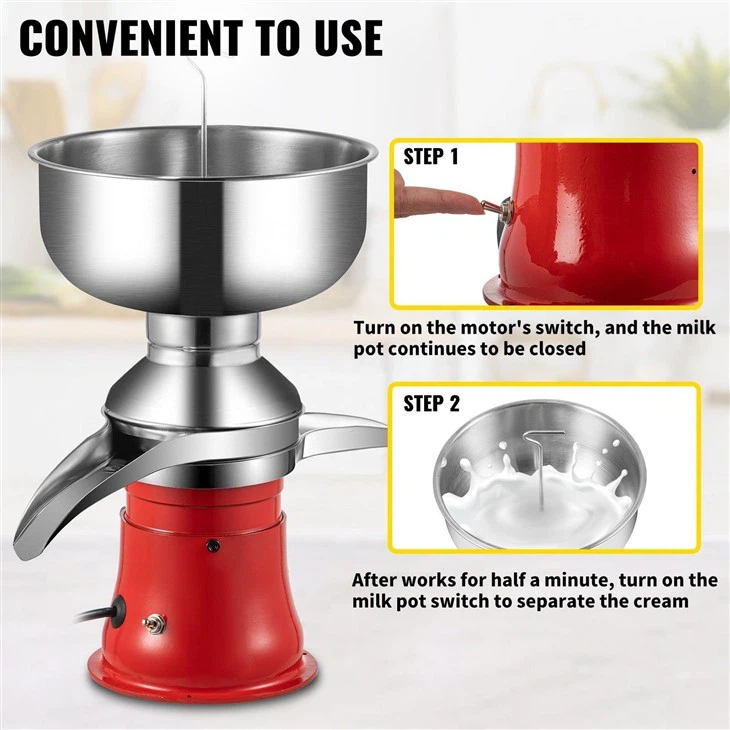
Look into the different materials that a cream separator comes in
As with many other products, cream separators come in many different materials, such as plastic, metal, stainless steel, etc. Before making the purchase, be sure to research and understand which type has the longest product life-cycle. This step will ensure you are investing in a product that has a long product life, and you will be able to enjoy it for a long time.
Be sure to have a budget
On the other hand, having a budget will provide you with the opportunity to narrow down the list of options that you might have come to from your research. Additionally, having a budget will help you to not exceed the expenses associated with purchasing a cream separator. Hence, be sure to assign a budget and try not to go over it when making the purchase.
Ensure to decide what size of the machine you want to purchase
Another thing to consider is the size of the machine. There are many different sizes of milk cream separator machines available in the market nowadays. So, be sure to figure out the most appropriate size per your preferences and the available storage space that you have.
Read reviews to narrow down the selection process
Now that you have decided on the budget, size, and materials, try to read through some online reviews from past customers to understand the different features that each machine on your list may provide.This step will allow you to get unbiased opinions from users without making you feel like you are being tricked into purchasing the product.
Ensure to purchase from a brand that provides a warranty
Lastly, be sure to purchase from a brand that provides a warranty on the machine. Even though some people might not put much importance on this step, it can be of use when you use a new and unfamiliar product inaccurately.
Process of Milk Separator
The Gravity Separation Method
Explanation: Gravity separation is one of the simplest and most traditional methods used to separate cream from milk.
Procedure: This section will outline the step-by-step process, including the use of a shallow container or a cream separator to allow the cream to rise to the top due to its lower density.
Centrifugal Separation Method
Explanation: Centrifugal separation utilizes the principle of centrifugal force to separate cream from milk, offering a faster and more efficient method than gravity separation.
Procedure: This section will detail the equipment required, such as a centrifugal separator, and the step-by-step process of spinning the milk to separate the cream from it.
Skimming Method
Explanation: Skimming is a manual method that involves physically removing the cream layer from the milk's surface.
Procedure: This section will describe the process of skimming, including the use of a ladle or a specialized skimmer to carefully skim off the cream.
Commercial Cream Separation Processes
Explanation: In the dairy industry, cream separation is often performed on a large scale using specialized equipment and industrial processes.
Procedure: This section will provide an overview of the commercial processes involved, such as cream separators, homogenization, and pasteurization.
Disassemble and Clean After Every Use
The first step in maintaining and cleaning your milk cream separator is to disassemble it and clean it thoroughly after every use. This involves removing all the parts, washing them with warm water and soap, and drying them thoroughly before reassembling the machine.
Use Cleaning Solutions Specifically Designed for Milk Cream Separators
When cleaning your separator, it is essential to use cleaning solutions that are specifically designed for milk cream separators. These solutions are designed to remove milk and cream residue without damaging the machine's parts. Avoid using harsh chemicals or abrasive cleaners that can scratch or damage the machine's surfaces.
Lubricate the Machine Regularly
To keep your milk cream separator running smoothly, it is crucial to lubricate it regularly. Lubricating the machine reduces friction and wear on the moving parts, ensuring that the machine operates efficiently and lasts longer.
Inspect and Replace Worn Parts
Regular inspection of your milk cream separator's parts is essential to identify and replace any worn or damaged parts. This includes the gaskets, O-rings, and seals, which can wear out over time, causing leaks and reduced performance.
Store the Separator Properly
When not in use, it is essential to store your milk cream separator in a clean, dry, and secure location. This will protect the machine from damage and prevent the buildup of dust and debris that can affect its performance.
Follow the Manufacturer's Maintenance Guidelines
Finally, it is essential to follow the manufacturer's maintenance guidelines for your milk cream separator. The guidelines will provide specific instructions on how to clean and maintain your machine to ensure optimal performance and longevity.
3 Tips for Keeping Your Milk Separator Clean
Use the right settings for discharge size and interval
When a separator discharges during the separation process, it expels residues through peripheral ports of the machine. This causes movement in the bowl and between the separator discs. If discharge volume is too small or infrequent, deposits may accumulate within the machine. Deposits that are left to accumulate for too long may become difficult to remove during CIP.
Make sure deposits are discharged properly during CIP
It is important to apply the right settings for discharge number and size during CIP. Each CIP stage has its own target for deposits. If loosened deposits are not discharged properly, they may get stuck and be tricky to remove. Large discharges during initial water flushing help to facilitate the other CIP stages.
Get your concentration and time right
Dairy protein fouling is very common when processing milk at higher temperatures and consists largely of whey proteins that have denatured and aggregated through crosslinking reactions. During CIP, lye (sodium hydroxide) is used to dislodge these deposits, including fat, while acid is used to dissolve minerals. An overly high concentration of lye can induce even more crosslinking and make fouling harder to remove, but Tetra Pak can advise on optimum concentrations for your CIP detergents. Time is also a factor: it is vital to allow sufficient time for effective cleaning. Again, Tetra Pak can advise on how to set this parameter.
Our Factory
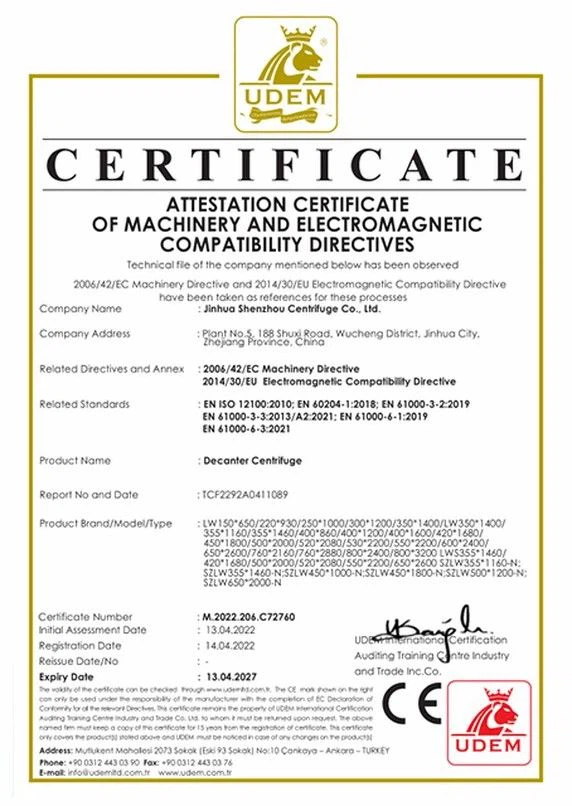
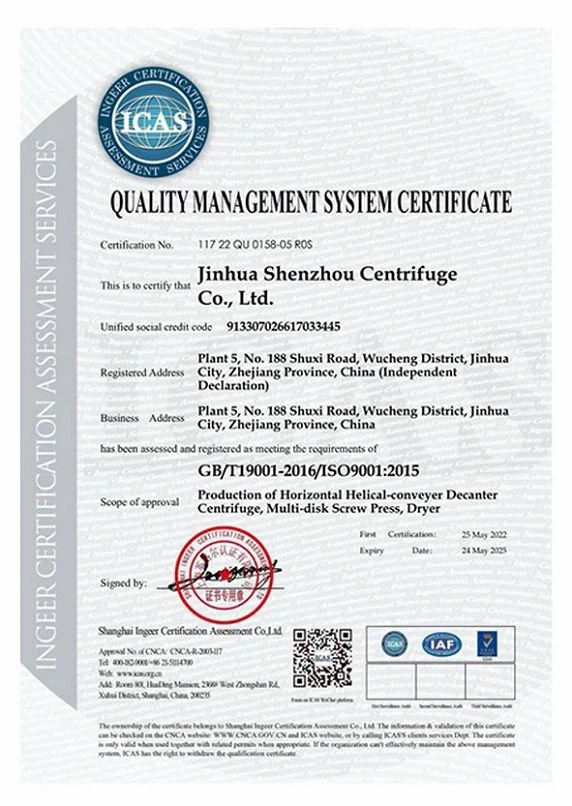
Shenzhou Machinery is a subsidiary of Shenzhou Group.Which was established in 1980, conveying an area of 80000M2 ,there are 2500 staffs and employee in our company.200 of them are technicians and engineers.It has obtained the approvals and certifications of both CE and ISO.Some of our machines gained the new technology invent patent.We are on of the world's leading manufacturers of decanter centrifuge,disc centrifuge,tubular centrifuge,separation systems and drying equipment.Now there are over 180 series or decanter centrifuges and disc separators used home and abroad.Including U.S.A , Canada ,Australia,Russia ,Brazil,Singapore and so on totally 70 countries.We own various kinds of inspection and testing facilities with value over USD10 million .18 testing tables,high speed dynamic balancing machine,ultrasonic flaw detection machines.etc.
Certifications
FAQ
Jinhua Shenzhou Centrifuge Co., Ltd. is one of the most professional milk separator manufacturers and suppliers in China, featured by quality products and competitive price. Please rest assured to wholesale cheap milk separator for sale here from our factory. Contact us for customized service.
