
tina@senz-separation.com    +86-82211558
Cont

Have any Questions?

+86-82211558

3-Phase Decanter Centrifuge

Why Choose Us
 

Advanced Equipment
We own various kinds of inspection and testing facilities with value over USD10 million. 18 testing tables, high speed dynamic balancing machine, ultrasonic flaw detection machines.etc.


Advanced testing equipment
We are equipped with complete testing, inspection, analysis control system, advanced testing machines and stimulative working condition test table and automatic control testing system,which guarantees our new product research, processing validation and quality.


Global Market
Now there are over 180 series or decanter centrifuges and disc separators used home and abroad. Including U.S.A, Canada, Australia, Russia, Brazil, Singapore and so on totally 70 countries.


Accept ODM/OEM service
You can discuss your purchasing needs with our customer service center. We also welcome OEM and ODM orders.


What Is 3-Phase Decanter Centrifuge


The 3-Phase Decanter Centrifuge is a centrifuge in which two liquids of different densities are separated from each other. At the same time solids are separated and discharged. Contact us. Get a quote. The feedstock enters the decanter through feed tube and flows into the centrifugation space through the distributor.


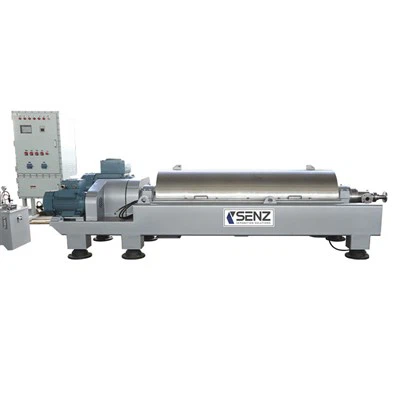
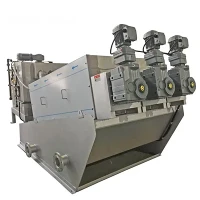
Sludge Dewatering Unit
Add to Inquiry
Sludge Dewatering Unit

Shenzhou Centrifuge has been developing and manufacturing centrifuges for nearly 80 years, and is
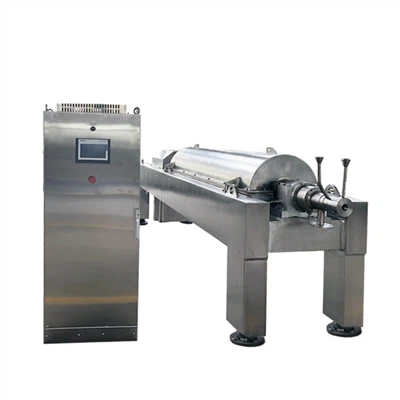
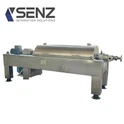
Horizontal Separation Equipment Olive Avocado Oil Extraction Machine
Add to Inquiry
Horizontal Separation Equipment Olive Avocado Oil Extraction Machine

LWS series three phase decanter centrifuge is widely used in oil separation,wastewater treatment...
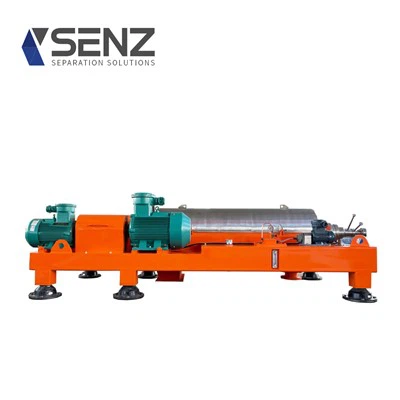
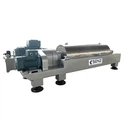
Three-Phase Separation Decanter
Add to Inquiry
Three-Phase Separation Decanter

Product Name:LWS520 Decanter Centrifuge. The 3-phase centrifuge is an efficient separation
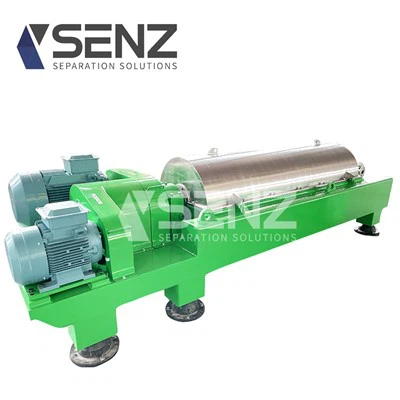
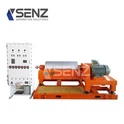
3 Phase Centrifuge
Add to Inquiry
3 Phase Centrifuge

Product Name:LWS355 Three Phase Centrifuge. LWS355 decanter centrifuge is mainly designed for
Avocado And Palm Oil Extraction Centrifuge
Add to Inquiry
Avocado And Palm Oil Extraction Centrifuge

Product Name: LWS360 3-Phase Decanter Centrifuge. This centrifuge can clarify, separate and
Olive Oil Decanter Centrifuge
Add to Inquiry
Olive Oil Decanter Centrifuge

Product Name: LWS420 Three Phase Decanter Centrifuge. LWS420 centrifuge is that two liquid phases
Industrial Waste Oil Centrifuge
Add to Inquiry
Industrial Waste Oil Centrifuge

Product Name:LWS500 Three Phase Decanter Centrifuge . It can continuously feed, separate and
Tricanter Centrifuge
Add to Inquiry
Tricanter Centrifuge

Product Name:LWS520 three phase Decanter Centrifuge . It can continuously feed, separate and
 
Benefits of 3-Phase Decanter Centrifuge
 
01/

Adaptability
A 3-phase decanter centrifuge can be modified to manage various types of slurry and different concentrations of solids, rendering them adaptable in many industrial applications.

02/

Little to no impact on the environment
By dividing solids from the wastewater, a 3-phase decanter centrifuge helps in decreasing environmental contamination, guaranteeing that treated water going back into the environment satisfies regulatory guidelines.

03/

Nonstop operation
A 3-phase decanter centrifuge can work nonstop, giving a dependable and steady process of dividing liquids from solids.

04/

Cost-efficiency
While the first investment can be substantial, the continuous effectiveness of a decanter centrifuge frequently leads to lifelong savings when it comes to disposal and labor costs.

05/

High-efficiency
3-phase decanter centrifuge can handle huge volumes of slurry and have massive separation efficiency, guaranteeing the complete elimination of solids from the liquid.

06/

Automation and control systems
3-phase decanter centrifuge typically have automation and control systems, ensuring easy monitoring and accurate adjustments during the separation procedure.


Types of 3-Phase Decanter Centrifuge
 

Horizontal decanter centrifuges

Horizontal decanter centrifuges offer a variety of advantages. They have a high separation efficiency and can remove fine solids from liquids. They are also capable of handling large feed volumes and are suitable for high-throughput operations. Horizontal decanter centrifuges find application in wastewater treatment and play a vital role in removing solids and clarifying wastewater.

Vertical decanter centrifuges

Vertical decanter centrifuges are commonly used in industries such as pharmaceuticals and biotechnology. They have advantages such as compact design and easy installation. They are able to discharge liquid from the bottom, which allows for the effective separation of materials of different densities. Vertical decanter centrifuges are often used in applications that require continuous separation, such as in the production of pharmaceuticals and chemicals.


Application of 3-Phase Decanter Centrifuge


Municipal wastewater treatment
A 3-phase decanter centrifuge is used in municipal wastewater treatment plants to divide sludge from the sewer into solids and liquid components. This division is critical before disposal or further treatment of the sludge.

Industrial wastewater treatment
Industries like chemicals, pharmaceuticals, and food and beverage use 3-phase decanter centrifuge for wastewater treatment. These industries usually generate wastewater with high solid content, making decanter centrifuges instrumental in the separation procedure.

Oily wastewater treatment
A 3-phase decanter centrifuge is efficient in splitting oil and other substances from oily wastewater, rendering them important in the oil, automotive, metalworking, and gas industries.

Dewatering
A decanter centrifuge3-phase decanter centrifuge is also used for dewatering. It eliminates the water from sludge, simplifying and decreasing the cost of incinerating or disposing of solid waste. Previously, a sludge dewatering machine has been used but is generally obsolete and archaic (like belt presses and plate presses).


How to Choose 3-Phase Decanter Centrifuge
三相离心机
三相分离卧螺离心机
橄榄油卧螺离心机
工业废油离心机

Speed
The speed of a common 3-Phase Decanter Centrifuge is more than 2000RPM. For some materials hard to separate, a higher speed is required. The higher the speed is, the higher the separation factor of centrifuge, the better the separation effect.


Material
PH value of materials to be treated determines the bowl material of 3-Phase Decanter Centrifuge. Different materials have diverse physical and chemical indexes in their abrasion and corrosion resistances. Overseas 3-Phase Decanter Centrifuge are generally made of 316L or duplex stainless steel, with wear parts made of ceramic materials.


Differential control
Different differentials have different control accuracies, service lives and maintenance costs. The higher its differential accuracy is, the better its adaptation to materials is. So it is advisable to select equipment with a high differential accuracy.


Length-diameter ratio
The bigger the length-diameter ratio of 3-Phase Decanter Centrifuge is, the higher the handling capacity is, the lower the moisture content is.


Control system
At present, almost all of equipment manufacturers at home and abroad have achieved a full automatic control over the equipment.


Installed power
As for a control over energy consumption, generally speaking, domestic equipment has a higher energy consumption ratio, while foreign equipment has a lower one.


Manufacturing technique
Since a 3-Phase Decanter Centrifuge is a kind of separation equipment with high precision machining requirements, the centrifuges manufactured by enterprises without a precision machining capability will suffer from a high maintenance ratio and a restricted handling capacity.


3-Phase Decanter Centrifuge Working Principle


The 3-Phase Decanter Centrifuge operation is based on the principle of sedimentation, that is, solid particles with specific liquid weight precipitate in a predetermined time. This principle can also be applied to two immiscible liquids with different specific gravity. When the material enters the high-speed rotating drum, the material rotates synchronously with the drum. Because of the different specific gravity, the centrifugal force is different. The solid particles with the larger specific gravity are subjected to the greatest centrifugal force, followed by the heavy phase liquid (such as water) and the light phase liquid (such as oil). So the centrifugal force is becoming less from outside to inside according to the magnitude of centrifugal force. A concentric solid layer and two liquid layers are formed. Solids are pushed out by the screw conveyor, and liquids are removed from their respective nozzles. Therefore, the application of three-phase decanter centrifuge can not only separate the solid in the material, but also separate the two-phase liquid with different specific gravity in the material, that is, Solid-liquid-liquid separation can be achieved.


How to Maintain 3-Phase Decanter Centrifuge


Daily Inspections
Daily inspections of the centrifuge are essential to ensure safe and efficient operation of the equipment. The important factors to keep in mind during the inspection are as follows:


Visual Inspection
The operator needs to visually inspect the external bolts and check the fasteners and guards for signs of looseness. To ensure stability and avoid any possible hazards, make sure all fasteners are tightened. Carefully inspect the guards for cracks or other damage. The proper functioning of the guards is essential to protect the operator from moving parts. Check the discharge hopper and pipes to ensure that they are not leaking. If leaks occur, it will threaten the environment and the efficiency of the centrifuge.


Monitor Noise and Vibration Levels
You need to monitor noise and vibration levels to understand the maintenance of the centrifuge. When the machine makes a lot of noise or vibrates, it may be a sign of problems, including imbalance, misalignment, or bearing wear. The operator needs to pay close attention to the panel that displays these measurements and record any abnormal values ​​that are outside the expected range.


Pay Attention to the Control Panel
The operator must pay more attention to the control panel, which displays several measurements and indications. Check the pressure, temperature, and speed data to ensure that they are all within the acceptable range. Any abnormal readings may indicate a potential problem or the need for modification.


Maintenance Log
Finally, be sure to record the results of your daily inspections in a maintenance log. Write down everything you see, check, and do. This documentation can be used to track the performance of the centrifuge over time when problems arise.


SWOT Analysis of the 3-phase Decanter Centrifuge Market

Established Market Presence

The 3-phase Decanter Centrifuge Market has strong brand recognition and loyalty among consumers, which supports sustained business growth and customer retention.

01

Innovative Products/Services

The 3-phase Decanter Centrifuge Market offers unique products or services that set it apart from competitors and meet specific consumer needs.

02

Skilled Workforce

The 3-phase Decanter Centrifuge Market benefits from a team of experienced and talented professionals who drive innovation and efficiency.

03

Strong Financial Performance

The 3-phase Decanter Centrifuge Market enjoys healthy revenue and profit margins, providing a solid foundation for future investments and growth.

04

Robust Distribution Network

The 3-phase Decanter Centrifuge Market has an efficient logistics and supply chain management system that ensures effective product delivery and availability.

05


Our Factory


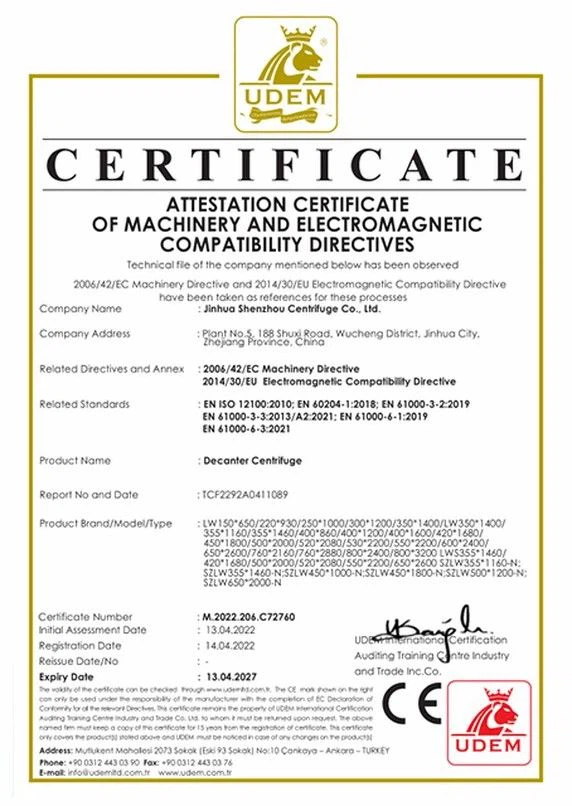
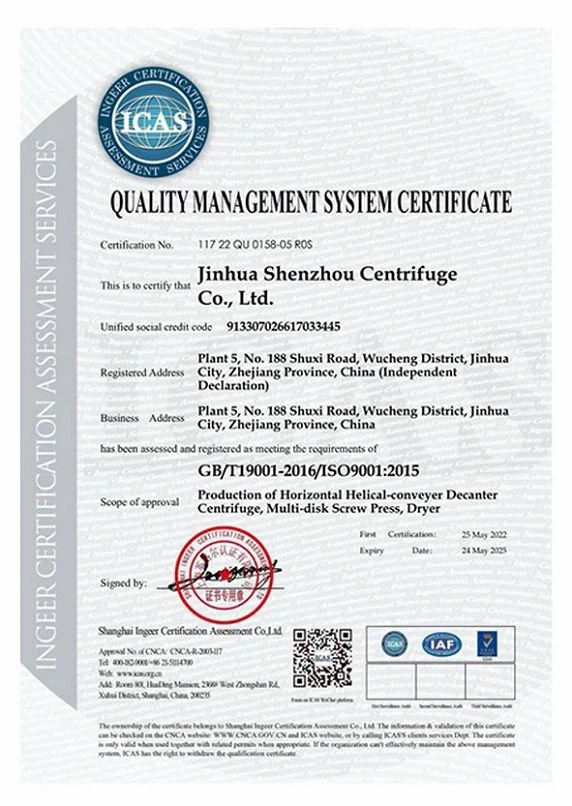
Shenzhou Machinery is a subsidiary of Shenzhou Group.Which was established in 1980, conveying an area of 80000M2 ,there are 2500 staffs and employee in our company.200 of them are technicians and engineers.It has obtained the approvals and certifications of both CE and ISO.Some of our machines gained the new technology invent patent.We are on of the world's leading manufacturers of decanter centrifuge,disc centrifuge,tubular centrifuge,separation systems and drying equipment.Now there are over 180 series or decanter centrifuges and disc separators used home and abroad.Including U.S.A , Canada ,Australia,Russia ,Brazil,Singapore and so on totally 70 countries.We own various kinds of inspection and testing facilities with value over USD10 million .18 testing tables,high speed dynamic balancing machine,ultrasonic flaw detection machines.etc.


productcate-360-273
productcate-360-273
productcate-360-273
productcate-360-273


Certifications


productcate-572-806
productcate-572-806


FAQ


Q: How to do maintenance on centrifuge?

A: Clean the chamber, rotor, adapters, and external surfaces daily after use with a soft cloth soaked in pH-neutral detergents only. Ensure that all parts are dried thoroughly. Coat anodized aluminum parts with anti-corrosion oil regularly in order to increase their lifespans and reduce corrosion predisposition.

Q: What is the disadvantage of decanter centrifuge?

A: The decanter centrifuge cannot separate biological solids with very small density differences, such as cells and viruses. A competitive process that is capable of separating these difficult-to-separate solids is the tubular-bowl centrifuge. The machine can be very noisy and can cause vibration.

Q: What is the difference between centrifuge and decanter centrifuge?

A: A decanter centrifuge can handle up to 50% sludge, while a disc-stack centrifuge is limited to 8% sludge by volume. With a higher G-force, a disc-stack centrifuge can separate particles down to a 0.5-micron level.Water is usually sufficient to flush, although some processes may require cleaning agents or warmer water to be the most effective. Water for flushing should be free of contaminants that can cause solenoid malfunctions and chemically inert.

Q: What is the lifespan of a centrifuge?

A: Ten years
In the life sciences, healthcare, or chemistry, an important type of equipment is the centrifuge and rotor. These precision machines, when properly operated and maintained, can last ten years or more. Although no organization is eager to spend money on replacement equipment, it will eventually become necessary.

Q: How do you lubricate a centrifuge?

A: After cleaning your equipment, take a small amount of centrifuge lubricant-like polyethlene glycol (PEG) fat provided by Eppendorf-on your finger. Lubricate bucket grooves, pivots of swing-bucket rotors, and rubber seals. Rotor chamber seals can be lubricated with standard laboratory grade glycerol or talcum.

Q: What is the most common error when using a centrifuge?

A: Common causes of centrifuge malfunctions include: Failure to place the lid on the rotor. Failure to properly secure the rotor lid. Failure to properly secure the rotor to the drive.Clean the centrifuge daily, or at least weekly. Remove the rotor and any sample or container holders. Interior cleaning includes the interior bucket, specimen holder, rotor and supports. Use a sponge, warm water and a mild detergent such as dishwashing liquid.

Q: What is the most unsafe event regarding a centrifuge?

A: The biggest concerns is the potential for injury and damage if a rotor fails. The resulting flying metal fragments can cause considerable damage and pose a risk to any nearby personnel. In one case, the shock wave caused by a failed rotor blew out a laboratory's windows.

Q: How often should a centrifuge be serviced?

A: Once per year
You should aim to have your centrifuge serviced at least once per year or more often for heavily used machines. To ensure accurate results, it's also important to have the unit calibrated every 12 months, or every six months if it's used for six or more hours per day.

Q: How often should I grease my centrifuge?

A: Clean your centrifuge daily.When finished with the cleaning, you should use a centrifuge lubricant to lubricate the bucket grooves and rubber seals. Check for residue and corrosion on the rotors on a weekly or monthly basis.

Q: How efficient is a decanter centrifuge?

A: Mechanical dewatering with a decanter centrifuge can result in a 95% reduction in volume and a concentration of between 15% to 35% dry solids, compared with 80% volume reduction and solids concentration of 3% to 7% with a sludge thickening-only operation.A three-phase decanter is a centrifugal separator that separates two immiscible liquids while simultaneously separating the solids. The liquid phases discharge through discrete outlets, and the solids eject out of the decanter's sludge nozzles.

Q: What is the principle of decanter centrifuge?

A: The decanter centrifuge is based on the simple idea of a clarifier or settling tank, in which particles, sediment and solids gradually fall to the bottom due to the force of gravity.If the thought of cold, hard steel or ice inside your beloved decanter makes you cringe, consider using clean, uncooked rice with equal parts water and white vinegar. The combination works in a similar, gentler manner as the above methods.

Q: Can I run a centrifuge empty?

A: A rotor must never be run with buckets missing, although opposing buckets may be left empty. All opposing loads must balance within a certain weight as specified by the centrifuge manufacturer's instruction manual.If the centrifuge stops abruptly, there are two risks: one is the possibility of injury to the user, owing to the impact of the samples upon his person. The other is the possibility of spillage as the containers suddenly change from a near-horizontal orientation to the upright position.

Q: How do you stabilize a centrifuge?

A: Balance the centrifuge by positioning sample-filled microtubes and balance tubes opposite one another in the centrifuge rotor. When the centrifuge is balanced properly, the center of gravity for the centrifuge and the test tubes it contains will be located at the center of the centrifuge.

Q: What happens if you don't balance a centrifuge?

A: Incorrect loading can reduce the lifetime of the rotor, and uncontrolled, heavy vibration can lead to permanently damaging the centrifuge. More importantly, however, an imbalanced load can injure you or someone else. In the worst case, an imbalance can lead to a rotor crash.Make sure you balance your tubes. If you're placing two test tubes in your centrifuge, one sample being . 5mL, and the other being 1mL, your results will not be precise. Once your tubes are at equal volume your next step is to balance them in your centrifuge.

Q: How can I improve my centrifuge?

A: Increasing the liquid's temperature reduces viscosity, which helps increase the velocity per Stokes' law above. This factor goes back to the fluid properties discussed above. In practice, higher process fluid temperature results in lower viscosity, which lead to better separation efficiency.Why you need to balance a centrifuge. Prior to starting the centrifuge, it is necessary to load it correctly. Balancing the centrifuge prevents potential damage to the instrument, and is crucial for safe operation.

Q: What is one of the most important rules when using a centrifuge?

A: The total mass of each tube should be as close as possible - this becomes increasingly important at very high rotor speeds. Running a centrifuge with unbalanced load could permanently damage the centrifuge. It could also cause injury to you or someone else. Balancing the masses to the nearest 0.1 gram is advisable.

Q: What is the maintenance and calibration of centrifuge?

A: According to most manufacturers' recommendations, centrifuges typically require routine cleaning after each use. This may include cleaning the rotors, checking components for signs of damage or wear, removing dust from vent slots, testing the speed and lubricating the rotor insert.Use neutral cleaning solutions (alcohol or alcohol-based disinfectant) and a soft cloth to clean your rotors and accessories. Wipe contaminated parts with neutral agents for cleaning and disinfection (e.g. diluted neutral alcohol- based disinfectant or 70% isopropanol mixture).

Q: Which of the following is inappropriate care and maintenance of centrifuges?

A: Only option i, ii and iv are appropriate care and maintenance of centrifuges. However, cleaning centrifuges and rotors with coarse brushes may cause damage to the protective layers of rotors. Therefore, option iii is wrong.After cleaning your equipment, take a small amount of centrifuge lubricant-like polyethlene glycol (PEG) fat provided by Eppendorf-on your finger. Lubricate bucket grooves, pivots of swing-bucket rotors, and rubber seals. Rotor chamber seals can be lubricated with standard laboratory grade glycerol or talcum.

Q: How long does a centrifuge last?

A: In the life sciences, healthcare, or chemistry, an important type of equipment is the centrifuge and rotor. These precision machines, when properly operated and maintained, can last ten years or more. Although no organization is eager to spend money on replacement equipment, it will eventually become necessary.Water is usually sufficient to flush, although some processes may require cleaning agents or warmer water to be the most effective. Water for flushing should be free of contaminants that can cause solenoid malfunctions and chemically inert.

Q: What is the basic maintenance of a centrifuge?

A: Clean the chamber, rotor, adapters, and external surfaces daily after use with a soft cloth soaked in pH-neutral detergents only. Ensure that all parts are dried thoroughly. Coat anodized aluminum parts with anti-corrosion oil regularly in order to increase their lifespans and reduce corrosion predisposition.

Jinhua Shenzhou Centrifuge Co., Ltd. is one of the most professional 3-phase decanter centrifuge manufacturers and suppliers in China, featured by quality products and competitive price. Please rest assured to wholesale cheap 3-phase decanter centrifuge for sale here from our factory. Contact us for customized service.

marine fuel centrifuge, sludge screw press, decanting centrifuge for animal sludge

(0/10)

clearall