



Sludge Dewatering Screw Press
Why Choose Us
Advanced Equipment
We own various kinds of inspection and testing facilities with value over USD10 million. 18 testing tables, high speed dynamic balancing machine, ultrasonic flaw detection machines.etc.
Advanced testing equipment
We are equipped with complete testing, inspection, analysis control system, advanced testing machines and stimulative working condition test table and automatic control testing system,which guarantees our new product research, processing validation and quality.
Global Market
Now there are over 180 series or decanter centrifuges and disc separators used home and abroad. Including U.S.A, Canada, Australia, Russia, Brazil, Singapore and so on totally 70 countries.
Accept ODM/OEM service
You can discuss your purchasing needs with our customer service center. We also welcome OEM and ODM orders.
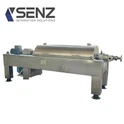
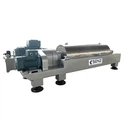
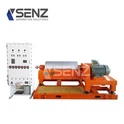
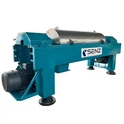
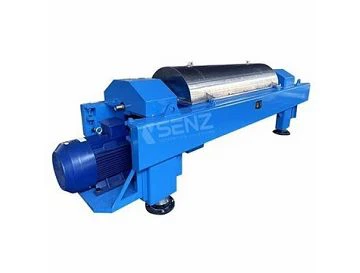
In simple terms, a sludge dewatering screw press separates liquids from solids. It is a device that moves slowly, dewatering sludge through a gravitational process. A screw press is used for material that is hard to dewater, including materials that pack together. The screw press uses a filter system to separate the liquid from the solid material. Liquid collects as it flows through a screen or filter and can then be reused.the dewatering screw press has a role in several industry sectors and is not just concerned with processing sewage. The sludge dryer system of separating liquid from solids is used in the paper industry where water is removed from cellulose fiber.


Product Categories
Latest Products




Benefits of Sludge Dewatering Screw Press
Dewatering screw machine can save a lot of costs
One of the most significant benefits of sludge dewatering screw press technology is its cost savings. By reducing the volume of sludge, technology makes it easier and less expensive to transport and dispose of. Additionally, the dewatered sludge can be used as a soil amendment or fertilizer, reducing the cost of purchasing these materials.
Sludge Dewatering Screw Press Environmental Benefits
The use of sludge dewatering screw press technology is also beneficial for the environment. By reducing the volume of sludge, the amount of waste sent to landfills is reduced. This reduces the amount of methane produced by landfills, which is a potent greenhouse gas. Additionally, dewatered sludge can be used as a soil amendment or fertilizer, which reduces the need for chemical fertilizers.
Improved Efficiency
Sludge dewatering screw press technology also improves the efficiency of the wastewater treatment process. By reducing the water content of the sludge, the technology reduces the load on downstream processes, such as sludge drying or incineration. This reduces the energy consumption and operating costs associated with these processes.
Consistent Performance
Another benefit of sludge dewatering screw press technology is its consistent performance. The technology can handle a wide range of sludge types and can produce consistent results regardless of variations in the sludge characteristics. This results in a more stable and predictable wastewater treatment process.
Single Screw Press
The single screw press, also known as the continuous screw press, consists of a single helical screw rotating within a cylindrical barrel. This design is simple and widely used in industries like food processing and wastewater treatment. [ Read also: What is a Screw Press for Wastewater Treatment?]
Twin Screw Press
Twin screw presses feature two parallel screws that rotate in opposite directions. This design provides higher pressure and throughput compared to single screw presses. They are commonly used in the food industry for separating liquids from solids, such as in the production of fruit juices.
Screw Press for Dewatering
Screw presses designed for dewatering applications are common in wastewater treatment, pulp and paper, and sludge management. They efficiently separate water from solids, reducing the volume of waste material. These presses can be single or twin-screw and are essential for environmental and industrial applications.
Expeller Press
The expeller press is a specialized screw press primarily used for oil extraction. It employs a continuous feed of raw material into a press chamber with a rotating screw. As the material is transported through the chamber, pressure is exerted, squeezing out oil from seeds and nuts. Expeller presses are crucial in the production of vegetable oils and biodiesel.
Screw Extruder
A screw extruder is a specialized screw press used in the plastics and food industries for shaping and molding materials. The rotating screw forces the material through a die, resulting in a product with a specific shape or consistency. This process is used in the production of various products, including pasta, snacks, and plastic components.
Screw Conveyor Press
Screw conveyor presses combine the functions of a screw conveyor and a press. They transport material from one location to another while simultaneously exerting pressure to achieve a specific outcome, such as dewatering, mixing, or compaction. They find applications in industries ranging from agriculture to chemical processing.
Application of Sludge Dewatering Screw Press
Municipal and Industrial Wastewater Treatment
Dewatering screw presses are often used in wastewater treatment plants to separate solids from liquids in the wastewater stream, reducing the volume of material that needs to be disposed of.


Food and Beverage Processing
Screw presses are used in food and beverage processing to separate solids from liquids in products such as juices, sauces, and soups.
Pulp and Paper Production
Screw presses are used in the production of paper to remove excess water from the pulp before it is formed into paper.

Agriculture
Dewatering screw presses are used in agriculture to press moisture from crops such as sugarcane, fruits, and vegetables.
Mining
In the mining industry, screw presses are used to separate minerals from waste rock, tailings, and sludge.
Textile Production
Screw presses are used in the textile industry to remove water from fibers and other materials during the production process.
Sludge Dewatering Screw Press Vs. Centrifuge: Energy Consumption, Durability And Noise Level Comparison
Energy consumption
In terms of energy consumption, centrifuges have the highest energy consumption of all dewatering machines. This is also one of its main disadvantages and something you should take into account when looking for a suitable dewatering solution. This is particularly true if you consider the current costs in the energy market.compared to a centrifuge, the energy consumption of a sludge dewatering screw press is up to ten times lower. In the case of a sludge dewatering screw press, we are talking about approximately 20 wh per kilogram of processed material (dry matter), whereas a conventional centrifuge consumes more than 200 wh. Modern centrifuges are also available on the market, who's energy consumption is slightly lower. These are still around 60 to 80 wh which is still several times more when compared to a sludge dewatering screw press.
Percentages of dry matter
There are two opposing camps: Sludge dewatering screw press supporters and centrifuge supporters. These two camps argue about which of these devices achieves better dewatering results. The truth is that the proportion of dry matter in a final output material is comparable. Differences are negligible, around 1 to 2%. What needs to be taken into account is the significantly higher energy consumption in the case of centrifuges.the correlation between energy expended and volume reduction is not linear. For example, the original sludge contained 2% dry matter. After passing through a sludge dewatering screw press, an output material contained 18% dry matter. In doing so, its volume was reduced by 88%.
How to Choose Sludge Dewatering Screw Press

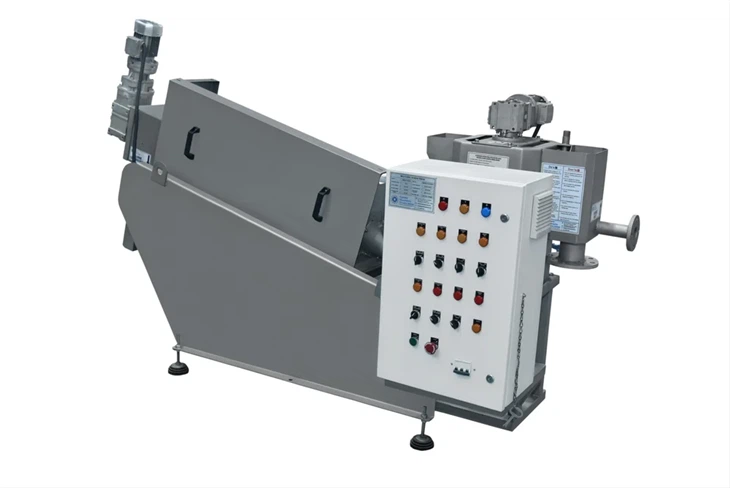


Choose the Right Size
The size of the Sludge Dewatering Screw Presss directly impacts its processing capacity. Choosing the right size for your processing needs is crucial.Small Dewatering Sludge Dewatering Screw Press: For small to medium-scale processing needs, a small dewatering Sludge Dewatering Screw Press might be more appropriate. They require less space, have lower maintenance costs, and are suitable for small to medium-sized enterprises or agricultural applications.
Consider Technical Features
The technical features of a Sludge Dewatering Screw Press significantly affect its performance. Consider the following features:Automation Level: Highly automated screw presses can reduce manual operations and increase efficiency.Energy Consumption: Consider the energy consumption and operational costs of the equipment.Maintenance Needs: Choose models that are easy to maintain and clean to reduce long-term costs.
Price Assessment
The price of Sludge Dewatering Screw Press varies depending on the brand, size, technical features, and supplier. Consider not only the purchase price but also the long-term operational and maintenance costs. Compare quotes from different suppliers, considering value for money and after-sales service.
Brand and Supplier Selection
Choosing well-known brands and reliable suppliers ensures quality and service. Read customer reviews and learn about the brand's market reputation and after-sales support.
Routine Inspection
Regularly inspect your screw press for signs of wear, corrosion, or damage. Pay close attention to the screw conveyor, drive system, and associated components. Detecting issues early can prevent costly repairs down the road.Routine inspections are the cornerstone of effective screw press maintenance. Beyond the basics, consider implementing non-destructive testing techniques, such as ultrasonic thickness measurement. This method allows you to assess the condition of critical components like the screen basket or screw conveyor with precision.
Lubrication
Proper lubrication of bearings, gears, and moving parts is crucial. Refer to the manufacturer's recommendations for the appropriate lubricants and schedules. Lubrication not only extends the life of the machine but also ensures smooth operation.Our research and development team recommends using synthetic lubricants with high-temperature stability for screw press gearboxes. Regular oil analysis can pinpoint contamination and wear, ensuring optimal lubrication effectiveness.
Monitoring Performance
Implement a monitoring system to keep track of the screw press's performance parameters. This includes monitoring torque, speed, and throughput. Deviations from the norm may indicate potential issues that need attention.Real-world Data: A facility in China saw a 15% reduction in maintenance costs and a 10% increase in dewatering efficiency by integrating real-time data monitoring into their screw press operations.
Alignment Checks
Regularly check and adjust the alignment of the screw press components, such as the screw conveyor and the drive shaft. Misalignment can lead to increased wear and reduced efficiency.Technical Detail: Ultrasonic cleaning systems release high-frequency sound waves to prevent fouling, extending the life of the screen.
Screen Maintenance
If your screw press uses screens or filter elements, clean or replace them as needed. Clogged or damaged screens can hinder dewatering efficiency. Regular cleaning and maintenance will ensure optimal filtration.
Grease and Oil Changes
Follow a schedule for changing grease and oil in the screw press's gearboxes and bearings. Fresh lubricants are essential for reducing friction and preventing overheating.Laser alignment tools ensure perfect alignment, minimizing energy losses and mechanical stress.Case Study: A municipality achieved a 20% reduction in energy consumption after implementing laser-guided alignment for their screw presses.
Our Factory
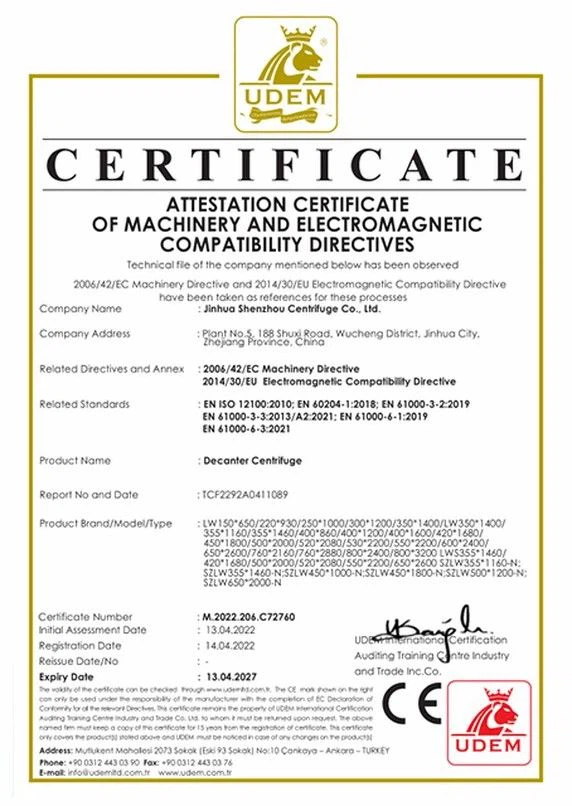
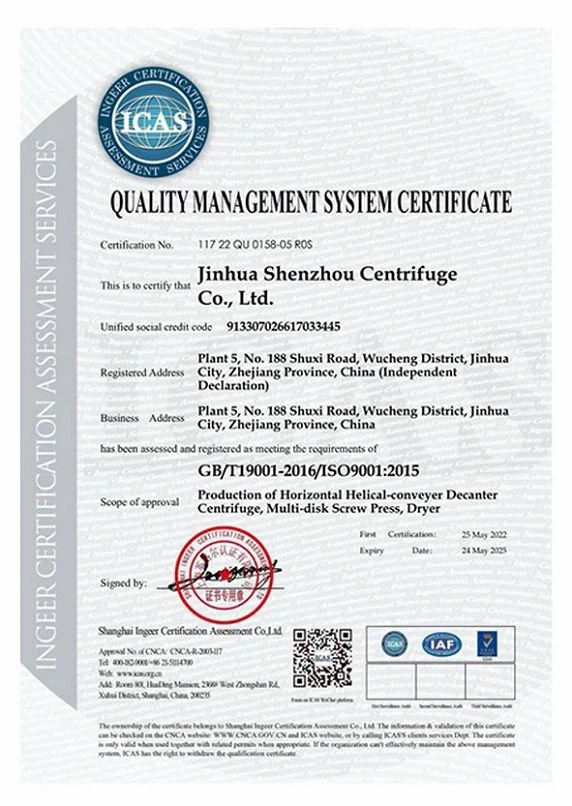
Shenzhou Machinery is a subsidiary of Shenzhou Group.Which was established in 1980, conveying an area of 80000M2 ,there are 2500 staffs and employee in our company.200 of them are technicians and engineers.It has obtained the approvals and certifications of both CE and ISO.Some of our machines gained the new technology invent patent.We are on of the world's leading manufacturers of decanter centrifuge,disc centrifuge,tubular centrifuge,separation systems and drying equipment.Now there are over 180 series or decanter centrifuges and disc separators used home and abroad.Including U.S.A , Canada ,Australia,Russia ,Brazil,Singapore and so on totally 70 countries.We own various kinds of inspection and testing facilities with value over USD10 million .18 testing tables,high speed dynamic balancing machine,ultrasonic flaw detection machines.etc.
Certifications
FAQ
Jinhua Shenzhou Centrifuge Co., Ltd. is one of the most professional sludge dewatering screw press manufacturers and suppliers in China, featured by quality products and competitive price. Please rest assured to wholesale cheap sludge dewatering screw press for sale here from our factory. Contact us for customized service.
SZ Series Sludge Dewatering Press, Screw Press Sludge Dewatering