

Extra virgin olive oil is a defined product category supported by chemical and sensory testing. Mechanical extraction is necessary, but a low-temperature process, an expensive centrifuge or an attractive label cannot guarantee the grade. The finished lot must meet all applicable requirements.

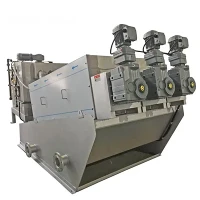
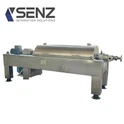
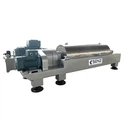
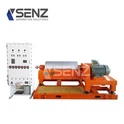
Olive oil decanter reference image. Equipment selection supports the process; it does not certify extra virgin grade.
Which tests determine extra virgin classification?
Under the International Olive Council trade standard and methods, extra virgin olive oil has free acidity of no more than 0.8 g per 100 g, expressed as oleic acid, and must meet the other characteristics of the category. The sensory classification requires a median of defects equal to zero and a median of fruitiness greater than zero.
Acidity alone is insufficient. A complete testing plan covers the applicable quality and purity criteria, including oxidation-related and identity checks. Use the standard and methods accepted in the destination market, appropriate laboratory testing and a qualified sensory panel. Keep representative samples and traceability for the lot being assessed.
Free acidity is different from taste
Free acidity reflects free fatty acids; it is not a measure of sour taste, bitterness or pH. Fruit damage, poor handling and delays can undermine quality before extraction begins. A decanter cannot restore deteriorated fruit to its original condition.
Oxidation needs more than one indicator
Peroxide value is one quality measurement, not a complete freshness score. Interpret it with other required tests, sensory assessment and storage history. Results from one sample or one date should not be treated as a guarantee throughout distribution.
Bitterness and pungency can be desirable
These attributes are not automatically sensory defects. A trained panel distinguishes them from recognized negative attributes such as rancidity or musty and fermented notes. Strong bitterness alone does not disqualify an oil from being extra virgin.
Is cold extraction required for extra virgin oil?
Do not confuse the product category with a separate optional temperature claim. EU olive oil marketing rules specify below 27°C for the cold extraction indication when qualifying virgin olive oil is obtained by percolation or centrifugation. First cold pressing refers to a traditional hydraulic press under the specified conditions. The temperature statement alone does not establish extra virgin grade.
Virgin olive oil uses mechanical or other physical extraction under conditions that do not alter the oil. Solvent-extracted or refined oil does not become extra virgin simply by meeting one acidity result. Check the complete category definition and the labeling rules for the intended market.

A controlled extraction line should be paired with sampling, testing and protected storage.
How the mill can support consistent quality
Receive sound fruit and manage waiting time
Record origin, harvest and receiving times, variety and condition. Segregate damaged or suspect lots and plan intake around realistic processing capacity. Avoid treating maximum hourly capacity as more important than fruit handling and quality control.
Control preparation, malaxation and separation
Document paste preparation and the validated mixing conditions. Monitor representative paste temperature, feed and machine load. Select settings within the manufacturer's limits and evaluate recovery together with product quality. Neither maximum speed nor the longest mixing time is universally best.
Clarify, store and transfer carefully
Manage residual water and solids according to the product specification. Protect oil from contamination, excessive heat, oxygen and light, using suitable tanks, transfer practices and packaging. Storage remains part of quality management after oil leaves the centrifuge.
A practical lot-release checklist
- Confirm the applicable market standard and written product specification.
- Link fruit, processing, storage and packaging records to the lot.
- Collect representative samples using the required method.
- Review the full laboratory and sensory results before classification.
- Document label claims separately, including any temperature claim.
- Maintain an appropriate stability and storage monitoring plan.
Frequently asked questions
Does acidity below 0.8% prove the grade?
No. The other chemical, purity and sensory requirements also apply.
Can extra virgin olive oil taste strongly bitter?
Yes. Bitterness and pungency can be positive attributes; formal sensory assessment evaluates recognized defects separately.
Does a centrifuge guarantee extra virgin production?
No. Fruit quality, processing, storage and product test results all matter.
Should avocado oil use the same grading rules?
Do not assume so. Establish the applicable avocado oil specification and market requirements independently.
Related olive mill resources
- Olive oil decanter shift records
- Olive oil centrifuge sizing checklist
- Planning water and pomace handling
- Olive oil decanter centrifuge
Specify equipment around the quality plan
Compare China centrifuge manufacturers on hygienic design, operating controls, cleaning and trial evidence. Ask the factory or supplier to define its equipment scope clearly. Discuss your olive oil process with SENZ; product classification remains supported by the required testing.