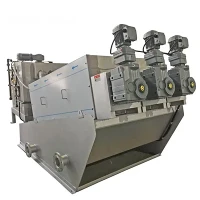


When an olive oil decanter's performance changes, a useful first step is to compare the feed and operating record with the last stable period. Changing several settings at once can hide the cause. A consistent shift log helps the mill distinguish a feed change from a process interruption or a maintenance issue.
The log does not replace the manufacturer's operating manual. It provides the evidence needed to discuss a problem with the supplier and evaluate an adjustment within the machine's approved operating limits.
Record the batch as well as the machine
Give each production batch an identifier. Note the olive variety where known, intake condition, preparation route and processing time. Record the malaxation conditions that the mill actually measures, along with the paste feed rate and any dilution water.
Next, record the available machine readings: bowl speed, differential speed, conveyor load or torque, bearing temperature, vibration indication and alarms. Use the labels and units shown by the installed control system. A value copied without its unit or measurement point may be misleading later.
Connect every sample to an operating period
A sample becomes more useful when it has a time, location and matching production record. Define sampling points for oil discharge, pomace and the separate water stream where present. Follow the laboratory's sampling and handling instructions.
Do not compare a sample collected during startup with one collected during established operation without marking that difference. When investigating a change, keep the sampling method consistent and allow the process to stabilize according to the approved procedure before assessing the result.
Residual oil results also need a reporting basis. A percentage reported on wet pomace cannot be directly compared with one reported on dry matter. Ask the laboratory to state the method and basis on every report. For loss accounting, combine concentration with the corresponding stream quantity rather than treating concentration alone as a total loss.
Investigate a change in a structured order
Start with the production record. Did the fruit batch, feed rate, water addition or paste preparation change? Did another part of the line stop? Did an alarm occur before the unusual discharge became visible?
Then compare the observations with the operating manual and contact the supplier when the cause is unclear. Where an adjustment is permitted, record the original value, the new value, the time and the reason. Change one variable at a time when practical so that its effect can be assessed.
Useful questions for a performance review include:
- Was the machine receiving a steady feed during sampling?
- Were the upstream preparation conditions comparable?
- Are laboratory results using the same method and basis?
- Was the downstream clarification stage operating normally?
- Did cleaning or service occur between the compared periods?
Separate process checks from maintenance work
A shift log should show whether planned cleaning was completed and whether an inspection or service action is due. Record unusual noise, leakage, repeated alarms or a developing temperature trend for the maintenance team.
Follow the manufacturer's stopping, isolation and cleaning instructions. Do not open a rotating machine or override a protective trip to continue a comparison test. Abnormal vibration or temperature requires the response specified by the equipment supplier, not a trial-and-error speed adjustment.
Before the harvest, confirm that operators can locate the current manual, service contacts and spare-parts list. During the season, retain the record of any replacement part or control adjustment so that later performance changes can be traced.
A shift-log format that stays useful
Use one row for each stable operating period, with columns for batch ID, time, feed rate, preparation conditions, water addition, machine readings, sample IDs and observations. Keep alarm events and maintenance actions in linked notes. At handover, highlight unresolved changes and the next planned check.
This format creates a record that the supplier can review without relying on memory or a photograph of one control-screen reading.
Frequently asked questions
Does cloudy oil always indicate a decanter fault?
No. Visual appearance alone does not establish the cause. Review the feed, sampling conditions and downstream clarification, and use the appropriate analysis.
Should differential speed always be lowered to improve separation?
No. The suitable setting depends on the machine, feed and load. Make changes only within the supplier's procedure and evaluate the complete result.
What information should accompany a service request?
Include the model, batch conditions, readings before and after the change, alarm history and labeled analytical results. For a new equipment enquiry, the SENZ olive oil separator overview provides the relevant product starting point.