

An olive mill's running cost depends on its seasonal workload, fruit quality, utility tariffs, staffing and residue handling. There is no reliable universal cost per tonne. Build the estimate from measured consumption and local prices, then compare the result per tonne of fruit and per kilogram of saleable oil.

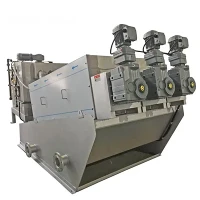
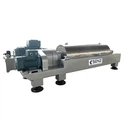
SENZ olive oil decanter reference image. Installed power is not the same as measured energy use per tonne.
Define what the cost calculation includes
Separate fruit purchasing from milling operations, and distinguish cash operating expenses from depreciation, financing and capital investment. If you compare two mills or quotations, use the same boundary: receiving, washing, crushing, malaxation, separation, clarification, cleaning, storage and residue handling.
Some mills charge for processing customer-owned fruit; others sell their own bottled oil. Their accounts need different revenue and cost models. Packaging and distribution may sit outside milling costs, but they belong in a complete finished-product profitability analysis.
Energy: measure electricity and thermal demand
Submeter major loads where practical: preparation equipment, malaxers, decanters, separators, pumps and temperature-control equipment. Record operating and idle periods. Motor nameplate kW describes rated power; it does not give seasonal kWh consumption.
Electricity cost per tonne = measured line kWh × applicable tariff ÷ tonnes processed. Add demand charges and thermal energy costs where relevant. Compare similar fruit and quality conditions. Underutilization can increase energy per tonne because some loads remain during low production, but the size of the effect must be measured.
Match equipment to peak intake, daily hours and the harvest window. An undersized line can create fruit queues, overtime and quality losses, while an oversized line may carry unnecessary installed and operating costs. The cheapest purchase is not necessarily the lowest seasonal cost.
Water: include supply, cleaning and outlet handling
Track fruit washing, cleaning, separator service water and process additions separately. Three-phase arrangements commonly create a separate aqueous stream; two-phase arrangements retain more water with the solids and often use less separation water. Actual additions and discharges depend on the equipment and process.
A two-phase line does not eliminate cleaning water, other wastewater or environmental responsibilities. Wet pomace still requires storage, transport and a suitable outlet. Compare water purchases, wastewater treatment, hauling and wet-pomace charges together before assigning a saving to either configuration.

Review utilities and residue outlets for the complete line before comparing two-phase and three-phase costs.
Labor: cost the complete shift
Include receiving, sampling, monitoring, cleaning, quality checks and maintenance support, along with locally applicable employment costs. Automation may reduce some repetitive work, but it does not justify leaving machinery unsupervised or removing required staffing.
Record planned hours, overtime and emergency callouts separately. Unplanned stoppages can also create waiting fruit, lost throughput and downgraded oil. Avoid counting these losses twice if they already appear in the saleable-oil output or revenue calculation.
Maintenance and consumables: budget by duty
Use the supplied machine's maintenance plan, service quotation and wear history. Include approved lubricants, seals, relevant wear components, cleaning chemicals, inspection, service labor and critical spare parts. Their share of total cost varies; maintenance is not always the smallest expense.
Plan pre-season checks and repairs around the harvest schedule. A seasonal reserve for significant service work is more informative than judging a line by one year with unusually few replacements.
Build a seasonal cost sheet
| Category | Quantity to record | Cost inputs |
|---|---|---|
| Electricity and heat | kWh, peak demand and thermal fuel or heat | Tariffs, demand charges and fuel price |
| Water and waste | Supply, wastewater and pomace quantities | Purchase, treatment, hauling and disposal charges |
| Labor | Regular, cleaning, maintenance and overtime hours | Fully costed hourly rates |
| Maintenance | Parts, consumables, inspections and service events | Current supplier and service quotations |
| Quality and other overhead | Sampling, tests, sanitation and operating support | Laboratory and site-specific expenses |
Operating cost per tonne = total defined seasonal operating expenses ÷ accepted tonnes of fruit processed.
Operating cost per kilogram of oil = the same expenses ÷ kilograms of saleable oil produced. State whether fruit, packaging, financing and depreciation are included. Keep by-product revenue visible as a separate credit so comparisons remain transparent.
Frequently asked questions
Which cost is always largest?
None is universally largest. Tariffs, staffing, utilization, fruit ownership and waste contracts can change the ranking.
Is two-phase always cheaper to operate?
No. Reduced process-water use may help, but wet-pomace logistics and the complete site water balance must be priced.
Can installed motor power predict the electricity bill?
No. Use measured energy, duty hours and actual tariff structure.
How should I assess an equipment upgrade?
Compare equivalent seasonal production and quality, then include installed investment, verified operating changes, downtime assumptions and conservative utilization scenarios.
Related olive mill resources
- Olive oil decanter shift records
- Olive oil centrifuge sizing checklist
- Planning water and pomace handling
- Olive oil decanter centrifuge
Request a scoped mill equipment proposal
When comparing China centrifuge manufacturers, ask each factory or supplier for a consistent scope, utility assumptions and service requirements. Send SENZ your intake profile and process requirements to discuss equipment selection; calculate local operating cost from your own tariffs and trial data.