

Cold-pressed avocado oil production combines mechanical extraction with a documented temperature-control plan. A suitable line must manage fruit condition, paste preparation, malaxation, separation and protected storage together. Buying a centrifuge alone does not substantiate a cold-pressed claim.

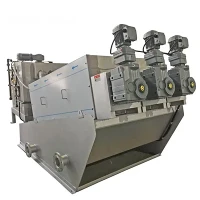
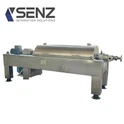
SENZ avocado oil production line decanter. Equipment reference image; operating limits depend on the supplied configuration.
What does cold-pressed mean for avocado oil?
Begin with the destination market and the buyer's written specification. Do not apply an olive oil labeling rule to avocado oil automatically. An AOCS technical article on avocado oil discusses mechanical recovery below 50°C as an avocado-specific quality framework. It should not be presented as a universal law.
For comparison, EU olive oil marketing rules reserve cold extraction for qualifying virgin olive oils obtained below 27°C by percolation or centrifugation. First cold pressing refers to a traditional hydraulic press. These distinct olive oil terms do not establish an avocado oil temperature limit.
Build temperature control into each process stage
1. Receive and prepare suitable fruit
Record variety, ripeness, damage and time from receiving to processing. Remove unsuitable fruit and foreign material. Washing, skin and stone handling, and pulp preparation should follow the validated product specification. Temperature control cannot reverse deterioration already present in the fruit.
2. Crush and malax under measured conditions
Crushing releases oil from tissue; gentle mixing helps droplets combine before separation. Specify a malaxer with suitable temperature regulation, cleanable product-contact surfaces and sensors positioned to measure representative paste temperature. A jacket-water display is not a substitute for a paste measurement.
Validate time and temperature with representative fruit. A longer mixing cycle or a warmer setpoint can change recovery and sensory properties, but no single setting guarantees optimum quality and yield for every variety or ripeness level.
3. Separate without losing control of the process
Confirm the decanter's feed-temperature range and the proposed two-phase or three-phase arrangement. Monitor feed rate, bowl speed, differential speed, torque and relevant outlet temperatures. Changes must remain within the equipment manufacturer's operating limits. Assess process heating through measurements rather than assuming that a particular speed always meets the product claim.
4. Clarify and protect the oil
Depending on the product, a downstream separator or filtration stage removes residual water and fine solids. Use clean, appropriate storage with controlled temperature, limited oxygen exposure and protection from light. Cold processing does not by itself guarantee shelf life, purity or an extra virgin classification.

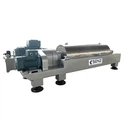
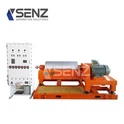
Mechanical oil separation equipment reference. Confirm avocado paste suitability, hygienic design and temperature monitoring for the specific line.
What to specify when buying equipment
| Requirement | Evidence to request |
|---|---|
| Temperature control | Sensor locations, calibration plan, alarm limits and batch records |
| Hygienic design | Product-contact materials, seals, cleaning access and validated cleaning procedures |
| Separation performance | Trials using representative paste; oil recovery, moisture and solids results |
| Product protection | Transfer and storage arrangements that limit contamination and oxidation |
| Claim documentation | Written market specification, process logs and laboratory testing plan |
Compare quality and recovery using trial data
Evaluate several controlled conditions with comparable fruit lots. Measure recovered oil mass, residual oil in pomace and any aqueous outlet, oil moisture, laboratory quality indicators and sensory properties. Record analytical methods and whether residual oil is reported on a wet or dry basis. Avoid claiming that lower temperature always produces a longer shelf life or that a fixed percentage of yield must be sacrificed.
Frequently asked questions
Can a centrifuge produce cold-pressed avocado oil?
Mechanical centrifugal separation can be part of a controlled avocado oil process. The claim depends on the applicable specification and the documented conditions across the line.
Must avocado paste stay below 27°C?
That number comes from particular olive oil labeling rules. Establish the applicable avocado oil requirements before choosing a process limit.
Can the finished oil test prove the maximum process temperature?
No. Product tests assess selected quality attributes; calibrated process measurements and batch records document temperature history.
What data should a supplier receive?
Provide peak and seasonal fruit volume, ripeness range, target product claim, market, utilities, cleaning requirements and pomace handling plan. Ask for a trial and an agreed acceptance method.
Related avocado oil processing guides
- What is an avocado oil centrifuge?
- Two-phase and three-phase avocado oil separation
- Measuring and improving avocado oil yield
- Avocado oil production line decanter
Discuss your avocado oil line
When comparing China centrifuge manufacturers, ask each factory or supplier to document the complete process scope and trial conditions. Share your requirements with SENZ through our contact page for an application assessment.