


Introduction
Short answer: An avocado oil centrifuge is a food-grade separation machine that extracts oil from crushed and malaxed avocado paste using centrifugal force instead of traditional mechanical pressing. Most avocado oil mills use a two-stage centrifugal process - a horizontal decanter centrifuge to separate oil from pulp and water, followed by a vertical disc separator to polish the oil to final clarity - a process adapted directly from olive oil extraction technology.
How Does Centrifugal Extraction Actually Work for Avocado Oil?
Avocado oil extraction follows a similar sequence to olive oil production, with adjustments for avocado's higher fat content and different pulp texture.
Washing and pitting. Avocados are washed, and the pit and skin are removed, leaving the flesh for processing.
Crushing. The flesh is crushed into a paste, rupturing cell walls to release oil droplets that are otherwise bound inside the fruit's tissue.
Malaxation. The paste is slowly mixed - typically for 30 to 60 minutes at a controlled, moderate temperature - allowing microscopic oil droplets to coalesce into larger droplets that are easier to separate mechanically. This step matters more than it might seem: paste that isn't malaxed long enough leaves oil trapped in the pulp, directly reducing extraction yield.
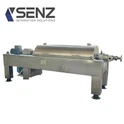
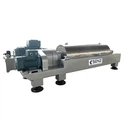
Decanter centrifuge separation. The malaxed paste is fed into a horizontal decanter centrifuge, which spins the mixture at high speed to separate it into oil, water (vegetable water), and solid pulp (pomace) by density.
Vertical separator polishing. The crude oil from the decanter still carries trace water and fine particulates. A vertical disc separator spins the oil at very high speed to remove these remaining impurities, producing clear, storage-ready avocado oil.
Why Avocado Oil Extraction Needs Different Settings Than Olive Oil
Avocado paste behaves differently from olive paste in ways that matter for equipment configuration. Avocado flesh has a notably higher oil content and a softer, more fibrous pulp structure, which affects both the malaxation time needed and the differential speed settings on the decanter centrifuge. Equipment that's simply borrowed from an olive mill without reconfiguration often underperforms on avocado - either leaving recoverable oil behind in the pomace or struggling with pulp consistency that clogs feed lines calibrated for a different paste texture.
This is one reason working with a supplier that understands both extraction processes - rather than one only familiar with olive oil - matters more than it might initially seem when sourcing equipment for a new or expanding avocado oil operation.
2-Phase or 3-Phase: Which Decanter Configuration Does Avocado Oil Need?
Both configurations are used in avocado oil production, and the right choice depends on your water-use priorities and downstream pomace handling:
A 3-phase decanter adds water during separation, producing three distinct streams: oil, vegetable water, and drier pomace. This gives more direct control over oil moisture content but generates vegetable water that requires treatment or disposal.
A 2-phase decanter uses little or no added water, producing oil and a wetter pomace (retaining the vegetable water within it). This reduces water consumption and wastewater treatment costs, an increasingly important factor for mills operating under water-scarce conditions or strict discharge regulations - though the wetter pomace requires different downstream handling than the drier 3-phase output.
Food-Grade Requirements for Avocado Oil Equipment
Because avocado oil is a food product, the equipment used to extract it carries requirements beyond standard industrial separation:
316L food-grade stainless steel for all product-contact surfaces, resistant to the oil's acidity and the mild corrosiveness of vegetable water.
Hygienic, polished surface finishes that resist oil residue buildup and are compatible with CIP (clean-in-place) washdown between processing batches.
Low-temperature, low-oxygen processing paths to protect the delicate flavor compounds and preserve the natural antioxidants that define high-quality avocado oil, avoiding the flavor degradation that excess heat or oxygen exposure can cause.
Common Questions From Avocado Oil Producers
Q: How much avocado paste can a centrifuge process per hour?
A: Throughput depends on bowl size and paste consistency, but avocado mills typically size decanters based on tons of fruit processed per hour rather than a generic liquid flow rate - share your expected daily fruit intake with an applications engineer for an accurate sizing recommendation.
Q: Can the same equipment process both avocado and olive oil?
A: With adjustable settings (differential speed, feed rate) and, in some cases, minor mechanical reconfiguration, many decanter centrifuges can handle both - useful for mills that process multiple crops seasonally. Confirm compatibility with your equipment supplier before assuming a single configuration works optimally for both.
Q: Does centrifugal extraction affect avocado oil quality compared to pressing?
A: When properly configured with controlled, moderate processing temperatures, centrifugal extraction is widely used for producing cold-pressed-equivalent avocado oil, since the process doesn't require the higher heat associated with some traditional pressing or solvent-extraction methods.
Setting up or expanding an avocado oil processing line?
Our application engineers can help you configure the right decanter and separator setup based on your expected fruit volume, water-use goals, and target oil quality. Contact us for a custom equipment recommendation and quote.