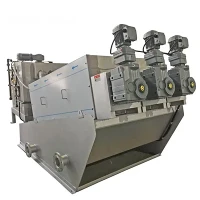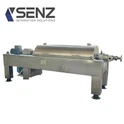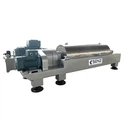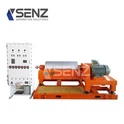



Introduction
This is the second piece in our avocado oil processing series, following our introduction to avocado oil centrifuges. Here, we go deeper into the single biggest configuration decision avocado oil producers face when specifying a decanter centrifuge: two-phase or three-phase.
The Core Trade-Off: Water Use vs. Process Control
Both configurations extract oil from malaxed avocado paste using the same basic centrifugal principle, but they handle the water and pomace differently - and that difference has real operational consequences for a working mill, not just a theoretical one.
A 3-phase decanter adds a controlled amount of warm water to the paste during separation. This produces three independent output streams: oil, vegetable water, and a relatively dry pomace. The added water gives operators a direct lever to fine-tune oil moisture content and separation efficiency, which can be valuable when paste consistency varies across different avocado varieties, ripeness levels, or harvest conditions. The cost of that control is the vegetable water itself - a byproduct stream that requires treatment or disposal, adding both an operating cost and, in some regions, a regulatory compliance obligation.
A 2-phase decanter uses little or no added water, producing only two streams: oil and a wetter pomace that retains the vegetable water within it. This significantly reduces both water consumption and wastewater treatment costs - an increasingly important factor as more producers operate in water-constrained regions or under tightening discharge regulations. The trade-off is that the resulting pomace, being wetter, requires different downstream handling than the drier output of a 3-phase system, and operators have less direct control over fine-tuning the oil-water split during separation itself.
What Happens to the Pomace Matters as Much as What Happens to the Oil
Many avocado oil producers focus their configuration decision entirely on oil yield and clarity, but pomace handling downstream is often the deciding factor in practice.
Pomace from 2-phase separation retains more moisture and organic content, which can make it more suitable for certain downstream uses - such as composting or, in some operations, further processing to recover residual oil - but it's also heavier to transport and can be more prone to spoilage if not processed or disposed of promptly.
Pomace from 3-phase separation is drier and generally easier to handle, store, and transport, but the vegetable water stream that made it drier now needs its own treatment path - commonly evaporation, anaerobic digestion, or discharge to a wastewater system, depending on local regulations and the scale of the operation.
Neither pomace-handling path is universally "better" - the right choice depends on what disposal, treatment, or reuse infrastructure your facility already has, or is willing to invest in.
Comparing the Two Configurations for Avocado Oil
| Factor | 2-Phase Decanter | 3-Phase Decanter |
|---|---|---|
| Water added during separation | Minimal to none | Moderate, controlled addition |
| Output streams | Oil + wet pomace | Oil + vegetable water + dry pomace |
| Water/wastewater treatment burden | Lower | Higher (requires vegetable water treatment) |
| Process control flexibility | Less direct tuning of oil-water split | Real-time adjustable via impeller position |
| Pomace moisture | Higher | Lower |
| Best fit | Water-constrained regions, simpler downstream handling | Mills prioritizing precise process control and drier byproduct |
Which Avocado Oil Producers Tend to Choose Which?
In practice, the decision often correlates with regional water availability and existing infrastructure more than with oil quality goals alone - properly configured, both technologies are capable of producing high-quality avocado oil. Mills in water-scarce growing regions, or those without an existing wastewater treatment path for vegetable water, tend to favor 2-phase systems. Larger operations processing highly variable fruit - mixed varieties, inconsistent ripeness, or seasonal quality swings - sometimes favor the additional process control a 3-phase system offers, provided they have a viable plan for the vegetable water byproduct.
Making the Decision for Your Operation
Before specifying a configuration, it's worth answering three questions honestly: What does your local water availability and discharge regulation situation actually look like? Do you have - or are you willing to invest in - a treatment path for vegetable water if you go with 3-phase? And how variable is your fruit supply likely to be across a full season?
Not sure which configuration fits your operation? Share your expected fruit volume, water availability, and downstream infrastructure with our application engineering team, and we'll recommend a decanter configuration matched to your actual constraints - not a generic industry default. Contact us for a custom equipment consultation and quote.