A Day Inside a Modern Olive Mill: From Fruit Arrival to Bottled Oil
By six in the morning, the first trucks are already backed up at the loading dock. The fruit came off the trees yesterday afternoon, and everyone here knows the clock that matters most isn't on the wall - it's the one that started when the olives left the branch. Oil quality starts eroding the moment fruit is picked, and the mill's entire job today is to lose as little of it as possible before the oil is sealed in a tank.
6:00 AM - The Fruit Comes In
The olives are tipped from crates into a receiving hopper, where leaves and twigs get pulled out by an air separator before anything else happens. A technician grabs a handful from the first load - checks color, firmness, a bruise here and there - and makes a note. Today's batch is a touch riper than yesterday's. That single observation will quietly change two settings further down the line: malaxation time gets dialed back slightly, and the decanter's differential speed will need a small adjustment once the paste starts coming through.
7:30 AM - Crushing and the First Real Decision of the Day
The olives move into the crusher, where they're broken down into a rough paste - pits and all. This is the point where oil, still trapped inside ruptured plant cells, is physically released but not yet usable. It's suspended in a mixture of pulp, water, and skin, and nothing downstream works properly if this step is rushed or run too hot.
8:15 AM - Malaxation: The Slow Part Nobody Skips
The paste moves into the malaxer, where it's stirred - not crushed again, just gently turned - for about forty-five minutes at a carefully held temperature. This is the step with no shortcut. Microscopic oil droplets need time and gentle agitation to find each other and merge into droplets large enough for a centrifuge to actually separate. Cut this time short, and the oil doesn't disappear - it just leaves with the pomace instead of the bottle. The temperature gauge on the jacket gets checked more than almost anything else in the building; today's slightly riper fruit means the operator nudges it down half a degree to stay inside the cold-extraction range.
9:00 AM - Into the Decanter
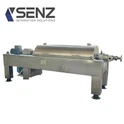
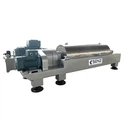
The malaxed paste is pumped into the horizontal decanter centrifuge, and this is where the day's work becomes visible - three streams, one machine, spinning the paste hard enough that solids, water, and oil separate from each other in seconds rather than the hours it would take to settle naturally. The pomace comes out one end, duller and drier than it went in. The oil and vegetable water split off through adjustable discharge plates, and an operator watches a sight glass more than any screen, because color and flow tell him things a sensor alone won't.
9:45 AM - The Vertical Separator Does the Final Work
The crude oil still carries trace moisture and the finest particles the decanter couldn't catch. It moves into a vertical disc separator spinning at a much higher speed, and what comes out the other side is noticeably different - clearer, brighter, ready for storage rather than needing to settle in a tank for days the way oil from older mills once did.
10:30 AM Onward - Repeat, Adjust, Repeat
The rest of the day is this cycle, over and over, with small adjustments as fruit characteristics shift batch to batch. A slightly different variety comes through after lunch, and malaxation time gets stretched by a few minutes. A technician pulls a pomace sample mid-afternoon, checks it by feel, and decides it's acceptable - not perfect, acceptable, which on a working harvest day is usually the honest target.
What a Day Like This Actually Teaches You
None of the equipment in this mill does anything magical. A decanter centrifuge separates by density under centrifugal force - that's the whole principle, unchanged for decades. What actually determines whether the oil in the tank tonight is excellent, good, or merely fine isn't the hardware. It's the dozens of small, specific decisions made all day by people who know what "slightly riper than yesterday" should mean for a malaxation timer and a differential speed dial. The machines make the decisions possible to execute consistently. They don't make the decisions themselves.