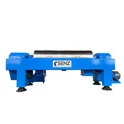
As a supplier of sludge dewatering equipment, understanding the energy consumption of our products is crucial for both us and our customers. Energy consumption not only affects the operating costs but also has implications for environmental sustainability. In this blog, we will delve into the various factors that influence the energy consumption of sludge dewatering equipment and explore ways to optimize it.
Factors Affecting Energy Consumption
1. Type of Sludge Dewatering Equipment
There are several types of sludge dewatering equipment available in the market, each with its own energy consumption characteristics. For example, centrifuges are known for their high - speed rotation, which requires a significant amount of electrical energy. The centrifuge works by using centrifugal force to separate the water from the sludge. The motor that drives the centrifuge drum needs to maintain a high rotational speed, typically ranging from 2000 to 4000 revolutions per minute (RPM). This high - speed operation demands a large amount of power.
On the other hand, belt filter presses use mechanical pressure to dewater the sludge. They consist of two belts that move in opposite directions, squeezing the sludge between them. While belt filter presses also consume energy, especially for the motors that drive the belts and the pumps that feed the sludge, their energy consumption is generally lower than that of centrifuges.
2. Sludge Characteristics
The properties of the sludge being dewatered play a significant role in energy consumption. Sludge with a high water content will require more energy to remove the excess water. Additionally, the viscosity and density of the sludge can affect the efficiency of the dewatering process. For instance, if the sludge is highly viscous, it may be more difficult to separate the water from the solids, leading to longer processing times and increased energy consumption.
The presence of impurities in the sludge can also impact energy use. If the sludge contains large particles or abrasive materials, it can cause more wear and tear on the equipment, which may require more energy to maintain the dewatering process. For example, in a centrifuge, abrasive particles can damage the internal components, leading to increased friction and higher energy consumption.
3. Processing Capacity
The amount of sludge that the equipment is designed to process per unit of time, known as the processing capacity, is directly related to energy consumption. Larger - scale dewatering operations typically require more energy. A centrifuge with a high - throughput capacity will need a more powerful motor to handle the increased volume of sludge. Similarly, a belt filter press with a larger belt width and higher processing speed will consume more energy to drive the belts and operate the associated pumps.
4. Auxiliary Equipment
In addition to the main dewatering unit, there are often auxiliary equipment that contribute to the overall energy consumption. For example, Flocculant Auto Dosing System is commonly used in sludge dewatering to improve the separation of water from the sludge. This system requires energy to mix and dose the flocculant into the sludge stream.
Another important auxiliary equipment is the Centrifuge Feed Pump. The pump is responsible for delivering the sludge to the centrifuge at the appropriate pressure and flow rate. The energy consumption of the pump depends on its size, the pressure it needs to generate, and the flow rate required.
Measuring Energy Consumption
To accurately measure the energy consumption of sludge dewatering equipment, we can use several methods. One common approach is to install energy meters on the equipment. These meters can measure the electrical power consumed by the motors, pumps, and other components of the dewatering system. By monitoring the energy consumption over a period of time, we can calculate the average energy use per unit of sludge processed.
In addition to direct measurement, we can also use theoretical models to estimate energy consumption. These models take into account the physical properties of the equipment, the characteristics of the sludge, and the operating conditions. However, theoretical models may have some limitations, as they are based on assumptions and may not fully account for real - world variations.
Strategies to Reduce Energy Consumption
1. Equipment Selection
Choosing the right type of sludge dewatering equipment for a specific application is crucial for minimizing energy consumption. As mentioned earlier, different types of equipment have different energy requirements. By carefully evaluating the sludge characteristics, processing capacity, and other factors, we can select the most energy - efficient equipment. For example, if the sludge has a relatively low water content and low viscosity, a belt filter press may be a more suitable option than a centrifuge.
2. Optimize Operating Conditions
Adjusting the operating parameters of the dewatering equipment can significantly reduce energy consumption. For centrifuges, optimizing the rotational speed can be effective. Running the centrifuge at a lower speed when possible can reduce energy use without sacrificing too much dewatering efficiency. Similarly, for belt filter presses, adjusting the belt tension and the pressure applied during the dewatering process can improve efficiency and reduce energy consumption.
3. Regular Maintenance
Proper maintenance of the dewatering equipment is essential for reducing energy consumption. Regularly inspecting and servicing the equipment can prevent issues such as worn - out bearings, leaky seals, and clogged pipes, which can all lead to increased energy use. For example, a centrifuge that is not properly balanced due to worn bearings will require more energy to maintain its rotational speed. By performing Centrifuge Maintenance on a regular basis, we can ensure that the equipment operates at its optimal efficiency.
4. Use of Energy - Efficient Components
Upgrading the components of the dewatering equipment to more energy - efficient models can also reduce energy consumption. For example, using high - efficiency motors can significantly reduce the electrical power required to drive the equipment. Additionally, installing energy - efficient pumps and valves can improve the overall energy efficiency of the system.
Impact of Energy Consumption on the Environment and Economy
High energy consumption in sludge dewatering not only has economic implications but also environmental consequences. From an economic perspective, increased energy costs can significantly impact the profitability of wastewater treatment plants and other facilities that use sludge dewatering equipment. By reducing energy consumption, these facilities can lower their operating costs and improve their financial performance.
From an environmental standpoint, the energy used in sludge dewatering is often generated from non - renewable sources, such as fossil fuels. This contributes to greenhouse gas emissions and climate change. By reducing energy consumption, we can help to minimize the environmental impact of sludge dewatering operations.


Conclusion
In conclusion, the energy consumption of sludge dewatering equipment is influenced by various factors, including the type of equipment, sludge characteristics, processing capacity, and auxiliary equipment. By understanding these factors and implementing strategies to reduce energy consumption, we can improve the efficiency of the dewatering process, lower operating costs, and minimize the environmental impact.
As a leading supplier of sludge dewatering equipment, we are committed to providing our customers with energy - efficient solutions. We offer a wide range of dewatering equipment, along with advanced technologies and services to help our customers optimize their energy use. If you are interested in learning more about our products or discussing your specific sludge dewatering needs, we encourage you to contact us for a detailed consultation and to start the procurement negotiation process.
References
- Smith, J. (2018). Energy - efficient sludge dewatering technologies. Journal of Environmental Engineering, 144(6), 04018012.
- Johnson, R. (2019). Impact of sludge characteristics on dewatering energy consumption. Waste Management, 88, 234 - 242.
- Brown, A. (2020). Strategies for reducing energy consumption in wastewater treatment plants. Water Research, 178, 115899.