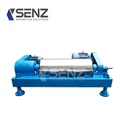

Hey there! As a supplier of Decanter Machines, I've seen firsthand how these nifty pieces of equipment can revolutionize various industries. But like any powerful machine, operating a Decanter Machine safely is super important. In this blog, I'll share some tips and tricks on how to do just that.
Understanding the Decanter Machine
First things first, let's talk a bit about what a Decanter Machine is. It's a type of centrifuge that separates different components of a liquid mixture based on their density. These machines are used in a wide range of industries, from wastewater treatment to food processing. You can check out more about Wastewater Centrifuge and Industrial Centrifuge Machine on our website.


Pre - operation Checks
Before you even think about starting the Decanter Machine, there are a bunch of checks you need to do.
Visual Inspection
Take a good look at the machine. Check for any visible damage to the casing, pipes, or electrical connections. Make sure all the bolts and nuts are tightened properly. Loose parts can cause vibrations during operation, which not only affects the machine's performance but can also be a safety hazard.
Lubrication
Lubrication is key to keeping the machine running smoothly. Check the oil levels in the gearbox and other moving parts. If the oil is low or dirty, top it up or change it as per the manufacturer's recommendations. Running the machine with insufficient or poor - quality lubrication can lead to overheating and premature wear and tear.
Electrical System
Inspect the electrical cables for any signs of fraying or damage. Ensure that the machine is properly grounded. A faulty electrical connection can cause electric shocks or even start a fire.
Operator Training
One of the most important aspects of safe operation is having a well - trained operator.
Manufacturer's Training
We always recommend that operators go through the training provided by the manufacturer. This training covers everything from the basic principles of how the Decanter Machine works to the specific safety procedures. It's hands - on and gives operators a chance to ask questions and get practical experience.
Regular Refresher Courses
Even experienced operators can benefit from regular refresher courses. Technology is always evolving, and new safety features are being added to the machines. Refresher courses keep operators up - to - date with the latest best practices.
Safety Equipment
Using the right safety equipment is non - negotiable when operating a Decanter Machine.
Personal Protective Equipment (PPE)
Operators should always wear appropriate PPE. This includes safety glasses to protect their eyes from flying debris, earplugs to reduce the noise level, and gloves to protect their hands from chemicals and sharp edges. In some cases, a safety helmet and safety shoes may also be required.
Machine Safety Features
Modern Decanter Machines come with a variety of safety features. These include emergency stop buttons, safety guards, and interlocks. Make sure all these safety features are in working condition and are not bypassed. For example, the safety guards are there to prevent operators from getting their hands or clothing caught in the moving parts.
Operating Procedures
Once you've done all the pre - operation checks and are properly equipped, it's time to start the machine.
Start - up
Follow the start - up procedure in the operator's manual step by step. Start the machine slowly and let it reach its operating speed gradually. This helps to prevent sudden jolts and reduces the risk of damage to the machine.
Monitoring
During operation, constantly monitor the machine. Keep an eye on the temperature, pressure, and vibration levels. Unusual readings can indicate a problem. For example, a sudden increase in temperature could mean that there's a blockage or a problem with the lubrication system.
Shut - down
When it's time to stop the machine, follow the shut - down procedure carefully. Stop the feed of the liquid mixture first and then let the machine run for a few minutes to empty any remaining contents. Once the machine has stopped completely, turn off the power supply.
Maintenance and Cleaning
Regular maintenance and cleaning are essential for the safe and efficient operation of the Decanter Machine.
Scheduled Maintenance
Follow the manufacturer's recommended maintenance schedule. This includes tasks like changing the filters, inspecting the belts, and checking the seals. Scheduled maintenance helps to identify and fix potential problems before they turn into major issues.
Cleaning
Clean the machine regularly to prevent the buildup of debris and contaminants. Use the appropriate cleaning agents and follow the cleaning procedures in the manual. For example, in the Slaughterhouse Wastewater Treatment process, proper cleaning is crucial to prevent the growth of bacteria.
Emergency Preparedness
Even with all the safety measures in place, emergencies can still happen.
Emergency Response Plan
Have an emergency response plan in place. This plan should include procedures for dealing with fires, leaks, and other emergencies. Make sure all operators are familiar with the plan and know what to do in case of an emergency.
Fire Extinguishers and First - Aid Kits
Keep fire extinguishers and first - aid kits readily available near the machine. Make sure the fire extinguishers are the right type for the potential hazards associated with the Decanter Machine.
Contact Us for Your Decanter Machine Needs
If you're in the market for a Decanter Machine or have any questions about safe operation, we're here to help. Our team of experts can provide you with all the information you need and assist you in choosing the right machine for your specific requirements. Whether you're in the wastewater treatment industry or any other sector that can benefit from a Decanter Machine, we've got you covered. Reach out to us to start a discussion about your procurement needs.
References
- Manufacturer's Operator Manual for Decanter Machines
- Industry - specific safety guidelines for centrifuge operation
- OSHA (Occupational Safety and Health Administration) regulations related to industrial machinery operation