

Effective sludge dewatering management combines process control, equipment care and clear operating responsibilities. The objective is stable performance at the required throughput, rather than frequent adjustment for its own sake. A well-run system records feed changes and outlet quality so decisions can be explained and repeated.
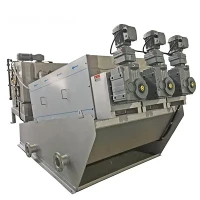
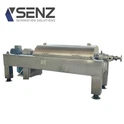
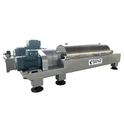
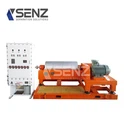
Decanter centrifuges, belt presses and screw presses have different mechanisms and maintenance needs. Use procedures for the installed technology instead of applying filter-belt instructions or differential-speed advice to every dewatering machine.

Define responsibility and the operating envelope
Assign roles for routine operation, sampling, maintenance, process adjustments and fault investigation. Keep the approved feed range, machine limits and protective responses available to operators. Specify which changes an operator can make and which require engineering or supplier review.
Confirm that auxiliary systems are included: feed protection, pumps, polymer preparation, cake conveyors and liquid collection. A problem in these systems can appear as poor dewatering even when the main machine is mechanically sound.
Use feed data to interpret performance
Monitor flow and sludge dry solids concentration together. They determine dry solids loading, which may change substantially without a large increase in volume flow. Record sludge source, blending, storage and relevant upstream changes.
When loading changes, review the permitted response using the process plan. Avoid a universal rule that differential speed or chemical dose must rise in a fixed relationship to feed concentration. The correct response depends on the sludge, machine and control strategy.
Measure the outlet streams consistently
Track cake dry solids, centrate or filtrate suspended solids, capture and practical cake handling. Establish sampling locations and a method that represents actual operation. Visual observations are useful for recognizing change but should be supported by measurements.
Choose monitoring frequency according to process variability, risk and the approved operating plan. Stable operation does not require arbitrary setting changes every hour. Investigate a meaningful deviation before adjusting several variables at once.
Manage conditioning and consumables
Where polymer is needed, record the product, active concentration, preparation condition and consumption on a consistent basis. Check dilution, mixing and preparation equipment before responding to poor results with higher dosage.
Evaluate chemical consumption alongside throughput and outlet quality. A lower dose is not an improvement if capture or handling becomes unacceptable; a higher dose is not justified merely because cake looks better. Keep compatible products and approved preparation instructions available.
Control changes and investigate deviations
Record the reason, authorization and result of significant changes. During an approved trial, alter one variable at a time where practical and allow the process to stabilize. Keep the accepted settings and feed conditions as the reference for later comparisons.
Cloudy liquid, wetter cake, abnormal load or repeated trips can have different causes. Review feed conditions, conditioning, instruments and mechanical status systematically. Never bypass alarms or restart repeatedly through unresolved protective trips.

Plan cleaning and maintenance for the actual machine
Follow model-specific cleaning, lubrication and inspection requirements. Confirm compatibility of cleaning agents and protect electrical and mechanical components as instructed. Opening or servicing equipment requires verified standstill and the site's energy-isolation procedure.
Wear-prone components differ by technology. A belt press needs belt-related inspections; a decanter needs attention to its rotor, conveying components and other specified items. Feed abrasiveness and operating history help refine inspection planning without replacing the manual.
Make shift records useful
- Feed source, flow, dry solids and significant process changes.
- Settings, conditioning and measured outlet quality.
- Equipment load, alarms and unusual observations.
- Cleaning, maintenance and unresolved work.
- Actions taken, responsible person and follow-up requirement.
Use periodic reviews to identify recurring faults and compare total operating cost. See the daily operator checklist and process optimization guidance. When consulting equipment manufacturers in China, ask each factory or supplier for documentation matched to the supplied model.
Frequently asked questions
Should operators change settings at a fixed hourly interval?
Not automatically. Monitor at the required frequency and adjust in response to evidence within the approved operating plan.
Can one maintenance checklist cover all dewatering technologies?
General management principles can be shared, but component checks and procedures must match the installed equipment.
What makes a shift log valuable?
Consistent measurements, recorded changes, clear actions and unresolved items that the next team can follow.
Should wet cake always be treated with more polymer?
No. Investigate feed changes, preparation, process settings and equipment condition before selecting a corrective action.