

The chemical industry wastewater mainly comes from production wastewater discharged from the petrochemical industry, coal chemical industry, acid-base industry, fertilizer industry, plastic industry, pharmaceutical industry, dye industry, rubber industry, etc.
The main measures for the prevention and control of chemical wastewater pollution are: firstly, production processes and equipment should be reformed to reduce pollutants, prevent wastewater discharge, and carry out comprehensive utilization and recovery; The treatment level of wastewater that must be discharged should be selected based on water quality and requirements.
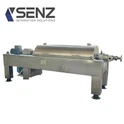
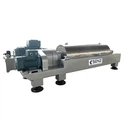
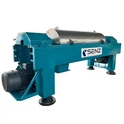
The primary treatment centrifugal dehydrator mainly separates suspended solids, colloids, floating oil or heavy oil in water. Methods such as water quality and quantity regulation, natural sedimentation, flotation, and oil separation can be used.
The Secondary treatment centrifugal dehydrator is mainly used to remove biodegradable organic solutes and some colloids, reduce biochemical oxygen demand and part of chemical oxygen demand in wastewater, and generally adopts biological treatment. After biological treatment, a considerable amount of COD remains in the wastewater, sometimes with high color, smell, and taste, or due to high environmental hygiene standards, a tertiary treatment method needs to be used for further purification.
The tertiary treatment centrifugal dewatering machine is mainly used to remove organic pollutants and dissolved inorganic pollutants that are difficult to biodegrade in wastewater. The commonly used methods include activated carbon adsorption and ozone oxidation, as well as ion exchange and membrane separation technologies. Various chemical industry wastewater can be treated using different methods based on different water quality, quantity, and requirements for the discharged water quality after treatment.