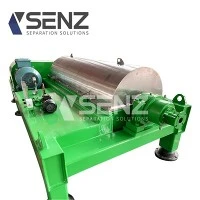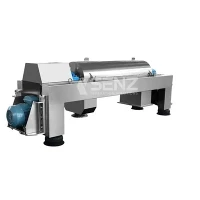

Hey there! As a supplier of dewatering press machines, I often get asked about the filtration system of these machines. So, I thought I'd take a moment to break it down for you.
First off, let's talk about what a dewatering press machine actually does. In simple terms, it's a piece of equipment that's used to remove water from a slurry or sludge. This process is crucial in many industries, like wastewater treatment, mining, and food processing. By reducing the water content, it makes the material easier to handle, transport, and dispose of.


Now, the filtration system is the heart of a dewatering press machine. It's responsible for separating the solid particles from the liquid. There are a few different types of filtration systems used in dewatering press machines, and each has its own pros and cons.
1. Belt Filter Press Filtration System
One of the most common types is the belt filter press. This system uses two porous belts that move in parallel. The slurry is fed onto the lower belt, and as the belts move, the liquid is squeezed out through the pores in the belts. The solid particles are trapped between the belts and form a cake, which is then discharged at the end of the process.
The great thing about the belt filter press is that it's relatively simple and easy to operate. It can handle a wide range of materials and has a high throughput. However, it does require regular maintenance to keep the belts clean and in good condition. If the belts get clogged, it can reduce the efficiency of the filtration process.
2. Plate and Frame Filter Press Filtration System
Another popular option is the plate and frame filter press. This system consists of a series of plates and frames that are stacked together. The slurry is pumped into the chambers formed by the plates and frames, and the liquid is forced out through the filter cloths that line the plates. The solid particles are retained in the chambers and form a cake.
The plate and frame filter press is known for its high filtration efficiency and the ability to produce a very dry cake. It's also suitable for materials with high solid content. However, it can be a bit more complex to operate and maintain compared to the belt filter press. The plates and frames need to be carefully assembled and disassembled, and the filter cloths need to be replaced regularly.
3. Centrifugal Filtration System
Centrifugal filtration is a different approach. Instead of using belts or plates, it uses centrifugal force to separate the solid and liquid phases. In a centrifuge, the slurry is spun at high speed, and the heavier solid particles are forced to the outer edge of the centrifuge bowl, while the liquid is collected in the center.
There are different types of centrifuges used in dewatering press machines. For example, you might be interested in our Soya Milk Decanter Centrifuge, which is designed specifically for separating soya milk from the pulp. We also have Oil Field Centrifuge for the oil and gas industry and Protein Centrifuge for the food and pharmaceutical industries.
Centrifugal filtration is fast and efficient, and it can handle a large volume of slurry. It's also relatively easy to automate. However, it can be more expensive to purchase and operate compared to other filtration systems.
Factors Affecting the Filtration System
Now, there are a few factors that can affect the performance of the filtration system in a dewatering press machine.
- Particle Size: The size of the solid particles in the slurry plays a big role. Smaller particles are more difficult to filter out, and they can clog the filter media more easily.
- Slurry Concentration: The concentration of the slurry also matters. If the slurry is too thick, it can put more strain on the filtration system and reduce its efficiency. On the other hand, if it's too thin, it might not form a stable cake.
- Filter Media: The type and quality of the filter media are crucial. Different filter media have different pore sizes and filtration characteristics. You need to choose the right filter media for your specific application.
- Operating Conditions: The operating conditions, such as the pressure, temperature, and flow rate, can also affect the filtration process. You need to optimize these conditions to get the best results.
Maintenance and Troubleshooting
Proper maintenance is essential to keep the filtration system of a dewatering press machine working effectively. Here are some tips:
- Regular Cleaning: Make sure to clean the filter media regularly to prevent clogging. This might involve backwashing, rinsing, or using chemical cleaners.
- Inspection: Check the filter media, belts, plates, and other components for any signs of wear or damage. Replace any worn-out parts as soon as possible.
- Lubrication: Keep the moving parts of the machine well-lubricated to ensure smooth operation.
- Training: Make sure your operators are properly trained to operate and maintain the dewatering press machine.
If you encounter any problems with the filtration system, here are some common troubleshooting steps:
- Check the Feed: Make sure the slurry is being fed at the right rate and concentration. If the feed is too high or too low, it can cause problems.
- Inspect the Filter Media: Look for any signs of clogging or damage to the filter media. If necessary, clean or replace it.
- Check the Pressure: Make sure the pressure is within the recommended range. Too much pressure can damage the filter media, while too little pressure can result in poor filtration.
Conclusion
In conclusion, the filtration system is a critical component of a dewatering press machine. Choosing the right filtration system depends on your specific application, the characteristics of the slurry, and your budget. Whether you need a belt filter press, a plate and frame filter press, or a centrifugal filtration system, we've got you covered.
If you're in the market for a dewatering press machine or have any questions about our products, don't hesitate to reach out. We're here to help you find the best solution for your needs. Let's have a chat and see how we can work together to improve your dewatering process.
References
- Smith, J. (2020). Dewatering Press Machines: A Comprehensive Guide. Industrial Press.
- Johnson, A. (2019). Filtration Systems in Wastewater Treatment. Environmental Science Journal.