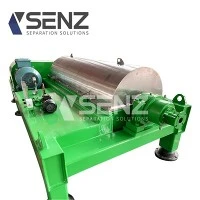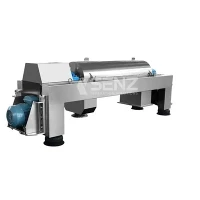

Hey there! As a supplier of 3 - Phase Decanter Centrifuges, I often get asked about the maintenance schedule for these machines. So, I thought I'd share some insights on what it takes to keep a 3 - Phase Decanter Centrifuge running smoothly.


First off, let's understand what a 3 - Phase Decanter Centrifuge is. It's a powerful piece of equipment used in various industries like food processing, wastewater treatment, and oil extraction. This centrifuge separates a mixture into three phases: solids, light liquid, and heavy liquid. For example, in the Horizontal Separation Equipment Olive Avocado Oil Extraction Machine, it helps in extracting oil from olives and avocados by separating the oil, water, and solid pulp.
Now, onto the maintenance schedule. I'd break it down into daily, weekly, monthly, and yearly tasks.
Daily Maintenance
- Visual Inspection: Every day, you should take a quick look at the centrifuge. Check for any signs of leaks around the seals, pipes, and connections. Leaks can not only cause a mess but also lead to a loss of product and potential damage to the machine. Look for any unusual vibrations or noises during operation. If you notice anything out of the ordinary, it's better to stop the machine and investigate.
- Cleaning the Feed Inlet and Discharge Ports: Make sure the feed inlet is clear of any debris or blockages. This ensures a smooth flow of the mixture into the centrifuge. Also, clean the discharge ports for the solids, light liquid, and heavy liquid. Any build - up here can affect the separation efficiency.
Weekly Maintenance
- Lubrication Check: The bearings and other moving parts of the centrifuge need proper lubrication. Check the lubricant levels in the bearing housings. If the levels are low, top them up with the recommended lubricant. Using the wrong lubricant can cause premature wear and tear of the parts.
- Belt Tension Inspection: If your centrifuge uses belts for power transmission, check the belt tension. A loose belt can slip, reducing the efficiency of the machine, while an overly tight belt can put extra stress on the bearings and other components. Adjust the belt tension as needed.
Monthly Maintenance
- Filter Replacement: Many 3 - Phase Decanter Centrifuges have filters to remove fine particles from the liquid phases. Replace these filters monthly to ensure optimal performance. A clogged filter can increase the pressure inside the centrifuge and reduce the separation efficiency.
- Electrical System Check: Inspect the electrical connections, switches, and control panels. Look for any signs of overheating, loose connections, or corrosion. Faulty electrical components can not only cause the machine to malfunction but also pose a safety hazard.
Yearly Maintenance
- Major Component Inspection: Once a year, it's time for a more in - depth inspection. Check the condition of the bowl, scroll, and other major components. Look for signs of wear, cracks, or deformation. If any parts are severely worn, they should be replaced.
- Calibration: Have the centrifuge calibrated by a professional. This ensures that the machine is operating at the correct speed, separation efficiency, and other parameters. Calibration is crucial for maintaining the quality of the separated products.
In addition to these regular maintenance tasks, it's also important to follow the manufacturer's guidelines. Each 3 - Phase Decanter Centrifuge may have specific requirements based on its design and intended use.
Let's talk about some of the benefits of a proper maintenance schedule. A well - maintained centrifuge has a longer lifespan. You won't have to replace the machine as often, which saves you a lot of money in the long run. It also ensures consistent performance. Whether you're using it for Olive Oil Decanter Centrifuge applications or Sludge Dewatering Unit operations, you'll get high - quality separation results every time.
Moreover, regular maintenance reduces the risk of breakdowns. A sudden breakdown can disrupt your production process, leading to lost time and revenue. By following a maintenance schedule, you can catch potential problems early and fix them before they turn into major issues.
If you're in the market for a 3 - Phase Decanter Centrifuge or need more information about maintenance, don't hesitate to reach out. We're here to help you make the right choice and ensure that your centrifuge runs smoothly for years to come. Whether you're a small - scale business or a large industrial operation, we've got the expertise and the right equipment for you.
In conclusion, a proper maintenance schedule is essential for the optimal performance and longevity of a 3 - Phase Decanter Centrifuge. By following the daily, weekly, monthly, and yearly tasks, you can keep your machine in top shape and avoid costly breakdowns. If you have any questions or are interested in purchasing a 3 - Phase Decanter Centrifuge, feel free to contact us. We're always happy to assist you with your needs.
References
- Manufacturer's manuals for 3 - Phase Decanter Centrifuges
- Industry best practices for centrifuge maintenance