
Determining how long an oil water separator lasts is a question frequently posed by industries relying on these vital pieces of equipment. As a supplier of Oil Water Separators, I've had the privilege of witnessing firsthand the impact these separators have on various operations and the factors that influence their longevity.
Understanding Oil Water Separators
Oil water separators play a crucial role in numerous industries, including manufacturing, automotive, food processing, and petroleum. Their primary function is to separate oil and water from industrial wastewater, ensuring that the water can be safely discharged or reused, while the separated oil can be properly managed. This not only helps industries comply with environmental regulations but also contributes to sustainable water management.
There are different types of oil water separators available, each designed to suit specific applications and operating conditions. Gravity separators, for example, rely on the difference in density between oil and water to achieve separation. They are relatively simple in design and are commonly used in applications where the oil content is relatively low. Coalescing separators, on the other hand, use special media to promote the coalescence of small oil droplets into larger ones, making them easier to separate from the water. These separators are more effective in treating wastewater with higher oil content.
Factors Affecting the Lifespan of Oil Water Separators
Quality of Construction
The quality of materials and workmanship used in the construction of an oil water separator has a significant impact on its lifespan. High - quality separators are typically made from durable materials such as stainless steel or fiberglass, which are resistant to corrosion and wear. At our company, we take pride in using only the best materials in the manufacturing of our separators. The use of premium materials ensures that our separators can withstand the harsh operating conditions often encountered in industrial settings, such as exposure to chemicals, high temperatures, and abrasive particles.
Operating Conditions
The environment in which an oil water separator operates can greatly affect its longevity. For instance, if the separator is exposed to extreme temperatures, either too hot or too cold, it can cause the materials to expand or contract, leading to cracks and leaks over time. Additionally, the type and concentration of contaminants in the wastewater being treated also play a crucial role. Wastewater with high levels of solids or heavy oils can put more stress on the separator, reducing its efficiency and lifespan. Regular maintenance and proper pre - treatment of the wastewater can help mitigate these issues.
Maintenance Practices
Proper maintenance is perhaps the most critical factor in determining the lifespan of an oil water separator. Regular inspections, cleaning, and replacement of worn parts are essential to keep the separator operating at peak performance. For example, the coalescing media in a coalescing separator needs to be cleaned or replaced periodically to ensure efficient separation. Failure to perform these maintenance tasks can lead to a buildup of contaminants, clogging of the separator, and ultimately, a shorter lifespan. As a supplier, we provide our customers with detailed maintenance manuals and offer support services to help them keep their separators in good working condition.
Typical Lifespan of Oil Water Separators
On average, a well - maintained oil water separator can last anywhere from 10 to 20 years. However, this is just a general estimate, and the actual lifespan can vary widely depending on the factors mentioned above. Gravity separators, which are relatively simple in design, may have a longer lifespan if they are used in applications with low - stress operating conditions. Coalescing separators, on the other hand, may require more frequent maintenance and replacement of parts, which can slightly reduce their overall lifespan.
In some cases, with exceptional maintenance and favorable operating conditions, an oil water separator can last even longer than 20 years. Conversely, if the separator is poorly maintained or exposed to harsh operating conditions, it may fail within a few years.
Extending the Lifespan of Oil Water Separators
Regular Maintenance
As mentioned earlier, regular maintenance is key to extending the lifespan of an oil water separator. This includes daily visual inspections to check for any signs of leaks, damage, or abnormal operation. Weekly or monthly cleaning of the separator, including the removal of accumulated sludge and oil, is also necessary. Additionally, following the manufacturer's recommended schedule for replacing filters, coalescing media, and other consumable parts is essential.
Proper Installation
Proper installation of the oil water separator is crucial for its long - term performance. The separator should be installed in a location that is easily accessible for maintenance and inspection. It should also be installed on a level surface to ensure proper flow of the wastewater through the system. Incorrect installation can lead to uneven wear and tear on the separator, reducing its lifespan.
Monitoring and Control
Implementing a monitoring and control system can help detect any issues with the separator early on. This can include monitoring the flow rate, pressure, and oil - water interface level in the separator. By continuously monitoring these parameters, operators can take corrective action before a minor issue turns into a major problem.
Our Product Offerings
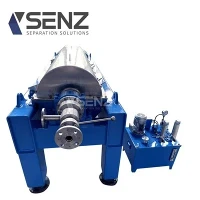
As a leading supplier of oil water separators, we offer a wide range of high - quality products to meet the diverse needs of our customers. Our product line includes Centrifuge For Oil Water Separation, which uses centrifugal force to achieve efficient separation of oil and water. This type of separator is particularly suitable for applications where high - speed separation is required.


We also offer Centrifuge Oil Separator, which is designed to remove oil from wastewater with high efficiency. Our Centrifuge Machine For Sludge Dewatering is ideal for separating sludge from wastewater, reducing the volume of waste and making it easier to handle.
In addition, our Clarifying Decanter Centrifuge is used for the clarification of liquids by separating solids from the liquid phase. And our Petrole Oil Sludge Dewatering Machine is specifically designed for dewatering petroleum - based sludge, ensuring that the sludge can be properly disposed of or further processed.
Conclusion
The lifespan of an oil water separator is influenced by a variety of factors, including the quality of construction, operating conditions, and maintenance practices. By understanding these factors and taking appropriate measures, industries can extend the lifespan of their separators, reducing costs and ensuring compliance with environmental regulations.
If you are in the market for an oil water separator or need to replace an existing one, we invite you to contact us. Our team of experts is ready to assist you in selecting the right separator for your specific application and provide you with the support and maintenance services you need to ensure its long - term performance. Don't hesitate to reach out to us for a consultation and to start the procurement process.
References
- Hermanowicz, S. W. (2015). Wastewater treatment processes. John Wiley & Sons.
- Metcalf & Eddy (2014). Wastewater engineering: treatment and reuse. McGraw - Hill Education.
- Tchobanoglous, G., Burton, F. L., & Stensel, H. D. (2003). Wastewater engineering: treatment disposal and reuse. McGraw - Hill.