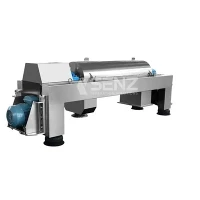

Transporting a small decanter centrifuge safely is a crucial task that requires careful planning and execution. As a supplier of small decanter centrifuges, I understand the importance of ensuring that these delicate machines reach their destination in perfect condition. In this blog post, I will share some valuable insights and practical tips on how to transport a small decanter centrifuge safely.
Pre - transport Preparation
Inspection and Maintenance
Before transporting the centrifuge, it is essential to conduct a thorough inspection. Check for any loose parts, damaged components, or signs of wear and tear. Tighten all bolts and screws to prevent them from coming loose during transit. If any issues are detected, perform the necessary maintenance or repairs. This step not only ensures the safety of the centrifuge during transport but also its proper functioning upon arrival.
Cleaning
A clean centrifuge is less likely to be damaged during transport. Remove any residual materials, such as sludge or debris, from the centrifuge. Use appropriate cleaning agents and follow the manufacturer's guidelines. A clean machine is also easier to handle and inspect for any potential damage during the packing process.
Documentation
Gather all the necessary documentation related to the centrifuge, including the user manual, warranty information, and any certificates. This documentation will be useful for the recipient and can also help in case of any customs or regulatory requirements during international transport.
Packing the Centrifuge
Selecting the Right Packaging Materials
Choose high - quality packaging materials that can provide adequate protection. A sturdy wooden crate is often a good choice for small decanter centrifuges. The crate should be of the appropriate size to fit the centrifuge snugly, with enough space for cushioning materials.
Cushioning
Use shock - absorbing materials such as foam, bubble wrap, or packing peanuts to cushion the centrifuge inside the crate. Place the cushioning materials around the centrifuge to prevent it from moving and being damaged by vibrations or impacts during transit. Pay special attention to the delicate parts, such as the motor and the control panel.
Fixing the Centrifuge in Place
Secure the centrifuge inside the crate to prevent it from shifting. You can use straps or brackets to hold the centrifuge firmly in position. Make sure that the centrifuge is level and stable within the crate.


Choosing the Right Transport Method
Local Transport
For local transport, a well - maintained truck with a flatbed or a box trailer is often a suitable option. Ensure that the truck has a smooth ride and is equipped with shock - absorbing features to minimize vibrations. If possible, use a truck that has been specifically designed for transporting delicate equipment.
International Transport
When transporting the centrifuge internationally, you have several options, including air freight and sea freight. Air freight is faster but more expensive. It is suitable for urgent deliveries or when the centrifuge needs to reach its destination quickly. Sea freight is more cost - effective for large - scale or non - urgent shipments. However, it takes longer and requires careful handling to prevent damage during the long journey.
Insurance
Regardless of the transport method chosen, it is highly recommended to purchase insurance for the centrifuge. This will provide financial protection in case of any damage or loss during transit.
Handling During Transport
Loading and Unloading
During loading and unloading, use proper lifting equipment, such as forklifts or cranes. Make sure that the operators are trained and experienced in handling delicate equipment. Avoid dropping or mishandling the centrifuge at all costs.
Monitoring
If possible, monitor the centrifuge during transport. You can use tracking devices to keep an eye on its location and condition. Some advanced tracking devices can even measure vibrations and impacts, allowing you to take immediate action if any issues are detected.
Special Considerations for Different Types of Centrifuges
Olive Oil Extractor Machine
The Olive Oil Extractor Machine has specific components that need to be protected during transport. The extraction chamber and the oil separation system are particularly delicate. Ensure that the packing materials are carefully placed around these components to prevent any damage.
Used Cooking Oil Separator
The Used Cooking Oil Separator may have residual oil or grease, which can be a hazard during transport. Clean the separator thoroughly before packing and take precautions to prevent any leaks. Use leak - proof containers if necessary.
Sulfur Foam Separation Centrifuge
The Sulfur Foam Separation Centrifuge may be exposed to corrosive substances. Make sure that the centrifuge is properly coated and protected to prevent corrosion during transport. Also, ensure that the packing materials are resistant to the corrosive effects of sulfur foam.
Post - transport Inspection
Once the centrifuge reaches its destination, conduct a detailed inspection. Check for any visible damage, loose parts, or signs of improper handling. Test the centrifuge to ensure that it is functioning properly. If any issues are found, document them and contact the transport company or the insurance provider immediately.
Conclusion
Transporting a small decanter centrifuge safely requires a combination of careful planning, proper packing, and reliable transport methods. By following the tips and guidelines outlined in this blog post, you can minimize the risk of damage and ensure that your centrifuge arrives at its destination in perfect condition.
If you are in the market for a small decanter centrifuge or have any questions about transporting these machines, feel free to contact us for more information. We are here to assist you with all your centrifuge needs.
References
- Manufacturer's user manuals for small decanter centrifuges
- Industry standards for transporting delicate equipment
- Research on best practices for centrifuge transportation