As a supplier of a complete set of equipment, I understand the critical importance of having reliable backup options. In various industries, a complete set of equipment is the backbone of operations, and any disruption can lead to significant losses. Therefore, exploring and implementing effective backup strategies is essential for ensuring the continuity and efficiency of business processes.
Understanding the Need for Backup Options
Before delving into specific backup options, it's crucial to understand why they are necessary. A complete set of equipment often consists of multiple interconnected components that work in harmony to achieve a particular goal. Whether it's in manufacturing, wastewater treatment, or food processing, the failure of even a single piece of equipment can bring the entire operation to a halt.
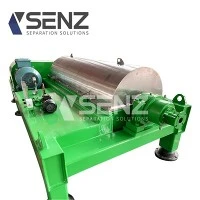
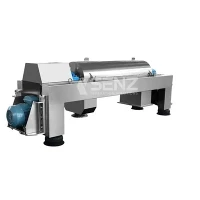
For instance, in a wastewater treatment plant, a malfunctioning Screw Conveyor can disrupt the flow of sludge, leading to backups and potential environmental hazards. Similarly, in a manufacturing facility, a breakdown in a centrifuge can cause production delays and quality issues. By having backup options in place, businesses can minimize the impact of such disruptions and maintain smooth operations.
Types of Backup Options
Spare Parts Inventory
One of the most basic yet effective backup options is maintaining a comprehensive spare parts inventory. This involves identifying the critical components of the complete set of equipment and stocking an adequate supply of spares. For example, if you have a set of centrifuges, keeping spare seals, bearings, and belts can significantly reduce downtime in case of a breakdown.
When building a spare parts inventory, it's important to consider factors such as the lead time for ordering new parts, the frequency of component failures, and the cost of storing the spares. By conducting a thorough analysis of these factors, you can determine the optimal quantity of each spare part to keep on hand.
Redundant Equipment
Another option is to have redundant equipment in place. This means having a duplicate set of critical components or the entire complete set of equipment that can be quickly activated in case of a failure. For example, in a power generation plant, having a backup generator can ensure continuous power supply in the event of a main generator breakdown.
Redundant equipment provides a high level of reliability but can be costly to acquire and maintain. Therefore, it's important to carefully evaluate the cost-benefit ratio before investing in redundant systems. In some cases, it may be more cost-effective to share redundant equipment with other companies in the same industry through a cooperative agreement.
Outsourcing Maintenance and Support
Many companies choose to outsource the maintenance and support of their complete set of equipment to specialized service providers. These providers have the expertise, tools, and resources to quickly diagnose and repair equipment failures. They can also offer preventive maintenance services to minimize the risk of breakdowns.
By outsourcing maintenance and support, companies can focus on their core business activities while ensuring that their equipment is in good working condition. Additionally, service providers often have access to a wider network of spare parts and can source them more efficiently, reducing downtime.
Remote Monitoring and Predictive Maintenance
Advancements in technology have made it possible to monitor equipment performance in real-time and predict potential failures before they occur. Remote monitoring systems use sensors and data analytics to collect and analyze information about the equipment's operating conditions, such as temperature, vibration, and pressure.
Based on the collected data, predictive maintenance algorithms can identify patterns and trends that indicate a potential problem. This allows maintenance teams to take proactive measures, such as scheduling preventive maintenance or replacing worn-out components, before a breakdown occurs. Remote monitoring and predictive maintenance can significantly reduce downtime and maintenance costs.
Considerations for Choosing Backup Options
When choosing backup options for a complete set of equipment, several factors need to be considered:
Cost
The cost of implementing backup options is a significant consideration. This includes the cost of purchasing spare parts, redundant equipment, and outsourcing maintenance services. It's important to balance the cost of backup options with the potential losses that could occur in case of equipment failure.
Reliability
The reliability of the backup options is crucial. Spare parts should be of high quality and readily available when needed. Redundant equipment should be regularly tested and maintained to ensure that it can be quickly activated in case of a failure. Outsourcing maintenance and support to a reliable service provider is also essential.
Compatibility
Backup options should be compatible with the existing complete set of equipment. This includes ensuring that spare parts fit the equipment and that redundant systems can be integrated seamlessly. Compatibility issues can lead to delays and additional costs during the implementation of backup options.
Scalability
As the business grows and evolves, the backup options should be scalable to meet the changing needs. This means that the spare parts inventory can be expanded, redundant equipment can be upgraded, and maintenance services can be adjusted accordingly.
Case Study: Backup Options in a Sludge Dewatering Facility
To illustrate the importance of backup options, let's consider a case study of a sludge dewatering facility. The facility uses a complete set of equipment, including Sludge Dewatering Equipment, centrifuges, and screw conveyors, to treat and dewater sludge.
The facility has implemented several backup options to ensure the continuity of its operations. Firstly, it maintains a comprehensive spare parts inventory for all critical components, such as centrifuge bowls, conveyor belts, and pump impellers. This allows the maintenance team to quickly replace any failed parts and minimize downtime.
Secondly, the facility has a redundant centrifuge that can be activated in case of a breakdown of the main centrifuge. The redundant centrifuge is regularly tested and maintained to ensure that it is in good working condition.
In addition, the facility outsources the maintenance and support of its equipment to a specialized service provider. The service provider conducts regular preventive maintenance and provides 24/7 emergency support. This ensures that any equipment failures are quickly addressed and the facility can resume normal operations as soon as possible.
Finally, the facility uses a remote monitoring system to track the performance of its equipment. The system alerts the maintenance team in case of any abnormal operating conditions, allowing them to take proactive measures to prevent breakdowns.
Conclusion
In conclusion, having reliable backup options for a complete set of equipment is essential for ensuring the continuity and efficiency of business operations. Whether it's through spare parts inventory, redundant equipment, outsourcing maintenance and support, or remote monitoring and predictive maintenance, companies need to carefully evaluate their needs and choose the most appropriate backup strategies.


As a supplier of a complete set of equipment, I am committed to helping my customers implement effective backup options. If you are interested in learning more about our products and services or discussing your specific backup needs, please feel free to contact me for a procurement discussion.
References
- Smith, J. (2020). Maintenance Strategies for Industrial Equipment. Industrial Press.
- Johnson, R. (2019). Redundancy in Engineering Systems. Wiley.
- Brown, A. (2018). Remote Monitoring and Predictive Maintenance in the Manufacturing Industry. Springer.