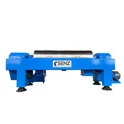

As a supplier of dewatering press machines, I am often asked about the dewatering process of these machines. In this blog post, I will explain the dewatering process in detail, highlighting its significance, the key components involved, and the various applications where dewatering press machines play a crucial role.
Understanding the Dewatering Process
The dewatering process is essentially the removal of water from a substance, typically a slurry or sludge. This is a critical step in many industries, as it helps to reduce the volume of waste, make it easier to handle and transport, and in some cases, recover valuable materials. A dewatering press machine is designed to efficiently separate the liquid and solid components of a slurry, leaving behind a drier solid cake and a relatively clean liquid.
Key Components of a Dewatering Press Machine
A typical dewatering press machine consists of several key components, each playing a vital role in the dewatering process:
- Feed System: This is where the slurry is introduced into the dewatering press. The feed system ensures a consistent and controlled flow of the slurry into the machine.
- Filter Medium: The filter medium is a crucial part of the dewatering press. It allows the liquid to pass through while retaining the solid particles. Common filter media include filter cloths, which are made from various materials such as polyester, polypropylene, or nylon.
- Pressing Mechanism: The pressing mechanism applies pressure to the slurry, forcing the water out through the filter medium. There are different types of pressing mechanisms, including hydraulic presses, screw presses, and belt presses.
- Discharge System: Once the dewatering process is complete, the dry solid cake is discharged from the machine. The discharge system ensures that the cake is removed efficiently and without causing any blockages.
The Dewatering Process Step by Step
The dewatering process can be broken down into several steps:


- Slurry Preparation: Before the slurry is fed into the dewatering press, it may need to be pre - treated. This can involve adding chemicals such as flocculants to help the solid particles aggregate, making them easier to separate from the liquid.
- Feed: The prepared slurry is then fed into the dewatering press through the feed system. The flow rate and pressure of the feed are carefully controlled to ensure optimal dewatering.
- Filtration: As the slurry enters the press, it comes into contact with the filter medium. The liquid passes through the filter medium, while the solid particles are retained on the surface of the filter. This initial filtration step removes a significant amount of water from the slurry.
- Pressing: Once the initial filtration is complete, the pressing mechanism applies pressure to the slurry. This further squeezes out the remaining water, reducing the moisture content of the solid cake. The pressure can be adjusted depending on the type of slurry and the desired level of dewatering.
- Discharge: After the pressing process is finished, the dry solid cake is discharged from the machine. The liquid that has been separated from the solid is also collected and can be further treated or disposed of, depending on its quality.
Applications of Dewatering Press Machines
Dewatering press machines are used in a wide range of industries, including:
- Mining and Minerals: In the mining industry, dewatering press machines are used to separate the valuable minerals from the waste rock and water. This helps to reduce the volume of waste and make the transportation and storage of the minerals more efficient.
- Wastewater Treatment: Dewatering press machines play a crucial role in wastewater treatment plants. They are used to dewater the sludge generated during the treatment process, reducing its volume and making it easier to dispose of. For more information on wastewater treatment, you can visit Slaughterhouse Wastewater Treatment.
- Food and Beverage Industry: In the food and beverage industry, dewatering press machines are used to remove water from food products such as fruits, vegetables, and grains. This helps to extend the shelf life of the products and reduce their transportation costs.
- Chemical Industry: Dewatering press machines are also used in the chemical industry to separate solids from liquids in chemical processes. This can help to improve the efficiency of the production process and reduce waste.
Advantages of Using a Dewatering Press Machine
There are several advantages to using a dewatering press machine:
- Volume Reduction: By removing water from the slurry, the volume of the waste is significantly reduced. This makes it easier and more cost - effective to handle and transport the waste.
- Resource Recovery: In some cases, dewatering press machines can help to recover valuable materials from the slurry. For example, in the mining industry, the dewatering process can help to separate the valuable minerals from the waste rock.
- Environmental Benefits: Reducing the volume of waste and recovering valuable materials can have a positive impact on the environment. It can also help to reduce the amount of energy and resources required for waste disposal.
Other Related Equipment
In addition to dewatering press machines, there are other types of equipment that can be used in the dewatering process. For example, Heparin Sodium Treatment Centrifuge and Separation Decanter Centrifuge are also commonly used in various industries to separate solids from liquids. These centrifuges use centrifugal force to separate the components of a slurry, and they can be a valuable addition to a dewatering system.
Conclusion
The dewatering process of a dewatering press machine is a complex but essential process in many industries. By understanding the key components and steps involved in the dewatering process, you can make an informed decision when choosing a dewatering press machine for your specific application. If you are interested in learning more about our dewatering press machines or have any questions about the dewatering process, please feel free to contact us for a detailed discussion and to explore potential procurement opportunities.
References
- "Dewatering Technologies: A Review" by John Doe, published in the Journal of Industrial Waste Management, 2020.
- "Principles of Sludge Dewatering" by Jane Smith, published by the Institute of Environmental Science, 2018.