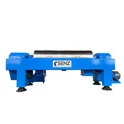

Hey there! As a supplier of complete sets of equipment, I've seen firsthand how tricky it can be to choose the right gear for your needs. Whether you're in the manufacturing, wastewater treatment, or any other industry that relies on equipment, making the right choice is crucial. In this blog, I'll share some tips on how to choose a complete set of equipment that fits your requirements and budget.
Understand Your Needs
The first step in choosing a complete set of equipment is to understand your needs. What are you trying to achieve? What processes do you need to automate or improve? For example, if you're in the food processing industry, you might need equipment for mixing, blending, and packaging. If you're in the wastewater treatment industry, you might need equipment for sludge dewatering, flocculation, and filtration.
Once you have a clear understanding of your needs, you can start researching the different types of equipment available. Look for equipment that is designed to meet your specific requirements and has a proven track record of performance. You can also talk to other businesses in your industry to get recommendations and learn from their experiences.
Consider Your Budget
Another important factor to consider when choosing a complete set of equipment is your budget. How much are you willing to spend? Keep in mind that the cost of equipment can vary widely depending on the type, size, and features. You don't want to overspend on equipment that you don't need, but you also don't want to skimp on quality and end up with equipment that doesn't perform as expected.
When considering your budget, it's important to look beyond the upfront cost of the equipment. You also need to consider the long-term costs of ownership, such as maintenance, repairs, and energy consumption. Look for equipment that is energy-efficient and has a low cost of ownership over its lifespan.
Evaluate the Quality
Quality is another important factor to consider when choosing a complete set of equipment. You want to make sure that the equipment you choose is reliable, durable, and built to last. Look for equipment that is made from high-quality materials and has a reputation for performance. You can also look for equipment that has been tested and certified by independent organizations.
In addition to the quality of the equipment itself, you also want to consider the quality of the supplier. Look for a supplier that has a good reputation in the industry and provides excellent customer service. A good supplier will be able to provide you with technical support, training, and maintenance services to ensure that your equipment continues to perform at its best.
Look for Compatibility
When choosing a complete set of equipment, it's important to look for equipment that is compatible with your existing systems and processes. You don't want to invest in equipment that doesn't work with your current setup or requires a lot of modifications to integrate. Look for equipment that is designed to be easily integrated with your existing systems and processes.
In addition to compatibility, you also want to consider the scalability of the equipment. As your business grows and your needs change, you may need to expand or upgrade your equipment. Look for equipment that is scalable and can be easily modified or expanded to meet your future needs.
Check the Warranty and Support
Finally, when choosing a complete set of equipment, it's important to check the warranty and support offered by the supplier. A good warranty will provide you with peace of mind and protect your investment. Look for a supplier that offers a comprehensive warranty that covers parts, labor, and transportation.
In addition to the warranty, you also want to consider the support offered by the supplier. A good supplier will provide you with technical support, training, and maintenance services to ensure that your equipment continues to perform at its best. Look for a supplier that has a team of experienced technicians who are available to provide support when you need it.
Some Examples of Equipment
Let's take a look at some examples of equipment that you might need for different industries.
Manufacturing Industry
In the manufacturing industry, you might need equipment for processing, packaging, and transportation. Some examples of equipment that you might need include:
- Screw Conveyor: A Screw Conveyor is a type of conveyor that uses a rotating screw to move materials. It is commonly used in the manufacturing industry to transport bulk materials such as grains, powders, and pellets.
- Packaging Machine: A packaging machine is used to package products in a variety of formats, such as bags, boxes, and containers. It can be used to package food, beverages, pharmaceuticals, and other products.
- Palletizer: A palletizer is used to stack products on pallets for transportation and storage. It can be used to stack boxes, bags, and other products.
Wastewater Treatment Industry
In the wastewater treatment industry, you might need equipment for sludge dewatering, flocculation, and filtration. Some examples of equipment that you might need include:


- Sludge Dewatering Equipment: Sludge Dewatering Equipment is used to remove water from sludge, reducing its volume and making it easier to handle and dispose of. It can be used in a variety of applications, such as wastewater treatment plants, industrial facilities, and landfills.
- Flocculant Auto Dosing System: A Flocculant Auto Dosing System is used to add flocculants to wastewater to help remove suspended solids and other contaminants. It can be used in a variety of applications, such as wastewater treatment plants, industrial facilities, and mining operations.
- Filtration System: A filtration system is used to remove suspended solids and other contaminants from wastewater. It can be used in a variety of applications, such as wastewater treatment plants, industrial facilities, and drinking water treatment plants.
Conclusion
Choosing a complete set of equipment can be a challenging task, but by following these tips, you can make an informed decision that meets your needs and budget. Remember to understand your needs, consider your budget, evaluate the quality, look for compatibility, and check the warranty and support. If you have any questions or need help choosing the right equipment for your needs, don't hesitate to contact us. We're here to help you find the best equipment for your business.
References
- Industry standards and best practices for equipment selection
- Manufacturer's specifications and product literature
- Case studies and customer testimonials