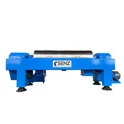

Hey there! As a supplier of used cooking oil separators, I often get asked about the maintenance these machines need. Let's dive right into it and explore what it takes to keep a used cooking oil separator in top - notch condition.
Regular Cleaning
One of the most crucial aspects of maintaining a used cooking oil separator is regular cleaning. Over time, oil, grease, and food particles can build up inside the separator. This buildup not only reduces the separator's efficiency but can also lead to clogs and malfunctions.
Start by emptying the oil collection tank regularly. You don't want old oil sitting in there for too long as it can start to break down and cause unpleasant odors. After emptying the tank, give it a good scrub with a mild detergent and warm water. Make sure to rinse it thoroughly to remove any soap residue.
The separator's internal components, like the filters and plates, also need regular cleaning. These parts are responsible for separating the oil from the water and other contaminants. If they get clogged, the separator won't work as effectively. You can use a soft brush to gently clean the filters and plates, removing any debris that has accumulated.
Inspection of Seals and Gaskets
Seals and gaskets play a vital role in keeping the separator leak - free. Over time, these rubber components can wear out, crack, or become brittle. A leaking separator not only wastes oil but can also create a mess in your kitchen or processing area.
Periodically check all the seals and gaskets for signs of damage. If you notice any cracks, tears, or signs of wear, replace them immediately. You can easily find replacement seals and gaskets from your local supplier or directly from the manufacturer of the separator.
Monitoring the Electrical Components
Most used cooking oil separators are equipped with electrical components such as motors, sensors, and control panels. These components need to be monitored regularly to ensure they are working correctly.
Check the electrical connections to make sure they are tight and free of corrosion. Loose connections can cause electrical problems and even pose a safety hazard. If you notice any frayed wires or signs of overheating, it's best to have a professional electrician take a look.
The sensors in the separator are responsible for detecting the level of oil and water. Make sure they are clean and functioning properly. A malfunctioning sensor can lead to inaccurate readings and improper operation of the separator.


Lubrication of Moving Parts
If your used cooking oil separator has moving parts, such as pumps or motors, they need to be lubricated regularly. Lubrication reduces friction and wear, which helps to extend the lifespan of these components.
Refer to the manufacturer's manual to determine the type of lubricant to use and how often to apply it. Over - lubrication can be just as bad as under - lubrication, so make sure to follow the recommended guidelines.
Calibration
Calibration is an important part of maintaining a used cooking oil separator. The separator needs to be calibrated to ensure it is separating the oil and water accurately.
Over time, the separator's performance can drift, and the calibration may need to be adjusted. You can use a calibration kit or have a professional technician perform the calibration. Regular calibration helps to maintain the separator's efficiency and ensures that you are getting the best results.
Additional Tips for Maintenance
- Keep a maintenance log: Record all the maintenance activities, including cleaning, inspections, and repairs. This log will help you keep track of when the next maintenance is due and can also be useful if you need to provide maintenance records to a regulatory agency.
- Train your staff: If you have employees who operate the separator, make sure they are properly trained on how to use and maintain it. A well - trained staff can help prevent problems and ensure the separator is used correctly.
- Use high - quality replacement parts: When it comes to replacing parts in your used cooking oil separator, always use high - quality parts. Cheaper parts may save you money in the short term, but they can lead to more problems in the long run.
Related Products and Technologies
If you're interested in other related technologies, you might want to check out Centrifugal Thickening Of Sludge, Soya Milk Decanter Centrifuge, and Tapioca Extraction Centrifuge. These technologies are also related to separation processes and can be useful in various industries.
Contact for Purchase and Consultation
If you're in the market for a used cooking oil separator or need more information about maintenance and operation, feel free to reach out. Whether you're a small restaurant looking to manage your used cooking oil or a large food processing plant, we can provide you with the right solutions. Our team of experts is ready to assist you with all your needs, from choosing the right separator to providing ongoing support and maintenance.
References
- Manufacturer's manual of used cooking oil separators
- Industry best practices for separator maintenance