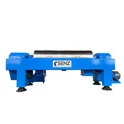

As a supplier of oil water separators, I understand the importance of properly training operators to use our equipment effectively. An oil water separator is a crucial piece of machinery used in various industries to separate oil and water from industrial wastewater, ensuring compliance with environmental regulations and promoting sustainable practices. In this blog post, I will share some key steps and considerations for training operators to use an oil water separator.
Understanding the Basics of an Oil Water Separator
Before diving into the training process, it's essential for operators to have a solid understanding of how an oil water separator works. An oil water separator operates on the principle of gravity separation, where the difference in density between oil and water allows the oil to float to the surface while the water settles at the bottom. The separator typically consists of an inlet chamber, a separation chamber, and an outlet chamber, along with various components such as baffles, coalescers, and skimmers.
Pre - Training Preparation
- Equipment Familiarization
- Provide operators with a detailed tour of the oil water separator. Show them the different components, their functions, and how they interact with each other. For example, explain how the baffles help to slow down the flow of wastewater and promote better separation, and how the coalescers increase the size of oil droplets for easier removal.
- Allow operators to handle and inspect the equipment under supervision. This hands - on experience will help them become more comfortable with the physical aspects of the separator.
- Safety Training
- Safety is of utmost importance when operating an oil water separator. Train operators on the potential hazards associated with the equipment, such as chemical exposure, electrical hazards, and the risk of slips and falls.
- Provide them with personal protective equipment (PPE) such as safety goggles, gloves, and hard hats, and ensure they know how to use them correctly.
- Teach them the proper procedures for emergency shutdowns and first - aid in case of an accident.
Theoretical Training
- Operating Principles
- Conduct in - depth theoretical training on the operating principles of the oil water separator. Explain the scientific concepts behind gravity separation, including the role of density, viscosity, and surface tension.
- Use visual aids such as diagrams and videos to illustrate the separation process. For example, show how oil droplets rise to the surface due to their lower density compared to water.
- System Controls
- Familiarize operators with the control panel of the oil water separator. Teach them how to start and stop the equipment, adjust the flow rate, and monitor key parameters such as pressure and temperature.
- Explain the importance of maintaining proper operating conditions for optimal performance. For instance, if the flow rate is too high, the separation efficiency may decrease.
- Maintenance Requirements
- Train operators on the regular maintenance tasks required for the oil water separator. This includes tasks such as cleaning the coalescers, inspecting the skimmers, and checking for leaks.
- Provide a maintenance schedule and explain the importance of following it to ensure the longevity and reliability of the equipment.
Practical Training
- Startup and Shutdown Procedures
- Walk operators through the step - by - step startup and shutdown procedures of the oil water separator. Demonstrate how to properly prime the system, open and close valves, and monitor the initial operation.
- Have operators practice these procedures under supervision until they are confident in their ability to perform them independently.
- Monitoring and Troubleshooting
- Teach operators how to monitor the performance of the oil water separator using the control panel and other monitoring devices. Show them how to interpret the data and identify any potential issues.
- Provide troubleshooting guides for common problems such as clogged coalescers, oil leaks, or abnormal pressure readings. Train operators to take appropriate corrective actions in a timely manner.
- Sampling and Testing
- Train operators on how to collect samples of the separated oil and water for testing. Explain the importance of regular sampling to ensure that the separator is meeting the required environmental standards.
- Show them how to use the appropriate testing equipment, such as oil - in - water analyzers, and how to interpret the test results.
Continuous Training and Support
- Refresher Courses
- Schedule regular refresher courses for operators to reinforce their knowledge and skills. These courses can cover new technologies, updated operating procedures, or changes in environmental regulations.
- Encourage operators to ask questions and share their experiences during these refresher courses.
- Technical Support
- Provide operators with access to technical support from our company. This can include phone support, email support, or on - site visits from our technicians.
- Ensure that operators know how to contact our technical support team and that they receive prompt and effective assistance when needed.
Related Equipment for Waste Management
In addition to oil water separators, we also offer other related equipment for waste management. For example, our Kitchen Waste Disposal Centrifuge is designed to efficiently separate solid waste from kitchen wastewater. Our Centrifuge Sludge Separator is ideal for separating sludge from industrial wastewater, and our Centrifuge Wastewater Treatment system can effectively treat various types of wastewater.
Contact for Purchase and Consultation
If you are interested in our oil water separators or any of our other waste management equipment, we encourage you to contact us for further information and to discuss your specific needs. Our team of experts is ready to provide you with detailed product information, technical support, and pricing quotes.


References
- "Wastewater Treatment Handbook", XYZ Publishing, 20XX
- "Oil and Gas Industry Best Practices for Environmental Management", ABC Publications, 20XX