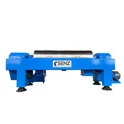

As a supplier of Yeast Separators, I understand the importance of energy efficiency in industrial equipment. In this blog post, I'll share some practical and scientific ways to improve the energy efficiency of a Yeast Separator.
Understanding the Basics of Yeast Separation
Yeast separators are crucial in the food and beverage industry, especially in brewing and baking. They work to separate yeast cells from the fermentation broth or other mixtures. The separation process typically involves centrifugal force, where the heavier yeast cells are forced to the outer edges of the centrifuge while the lighter liquid remains in the center. However, this process can consume a significant amount of energy, especially if the equipment is not optimized.
Optimizing the Centrifugal Process
One of the primary ways to improve energy efficiency in a Yeast Separator is to optimize the centrifugal process. This can be achieved by adjusting the rotational speed of the centrifuge. Running the centrifuge at the optimal speed ensures that the separation is efficient without using excessive energy. For example, if the speed is too high, it may lead to unnecessary energy consumption, while a speed that is too low may result in incomplete separation.
Modern Yeast Separators often come with adjustable speed settings. By conducting tests and analyzing the separation results, operators can determine the ideal speed for their specific yeast separation needs. Additionally, using advanced control systems can help maintain the optimal speed automatically, reducing the need for manual adjustments and further improving energy efficiency.


Regular Maintenance and Inspection
Regular maintenance and inspection of the Yeast Separator are essential for energy efficiency. Over time, components such as bearings, seals, and motors can wear out, leading to increased friction and energy consumption. By conducting routine maintenance, including lubricating moving parts, replacing worn-out components, and cleaning the separator, operators can ensure that the equipment runs smoothly and efficiently.
For example, a dirty separator can cause the motor to work harder to achieve the same level of separation, resulting in higher energy consumption. By keeping the separator clean, the motor can operate more efficiently, reducing energy usage. Additionally, inspecting the electrical components and ensuring proper wiring can prevent energy losses due to electrical inefficiencies.
Upgrading to Energy-Efficient Components
Another effective way to improve energy efficiency is to upgrade the Yeast Separator with energy-efficient components. For instance, replacing old motors with high-efficiency motors can significantly reduce energy consumption. High-efficiency motors are designed to convert more electrical energy into mechanical energy, resulting in less wasted energy.
In addition to motors, using energy-efficient bearings and seals can also contribute to energy savings. These components are designed to reduce friction, which in turn reduces the amount of energy required to operate the separator. Upgrading to a more advanced control system can also help optimize the energy usage of the separator by adjusting the operating parameters based on the load and other factors.
Implementing Process Integration
Process integration involves combining different processes in the production line to reduce energy consumption. For example, the heat generated during the yeast separation process can be recovered and used for other purposes, such as preheating the incoming fermentation broth. This not only reduces energy consumption but also improves the overall efficiency of the production process.
Another way to implement process integration is to combine the yeast separation process with other related processes, such as filtration or sterilization. By integrating these processes, the overall energy consumption can be reduced, as the equipment can be operated more efficiently.
Utilizing Advanced Separation Technologies
There are several advanced separation technologies available that can improve the energy efficiency of a Yeast Separator. For example, Decanter Centrifuge Manufacturer offers decanter centrifuges that are designed to provide high separation efficiency with low energy consumption. These centrifuges use advanced design features and materials to reduce friction and improve the separation process.
Another advanced technology is the Fruit Pulp Decanter Centrifuge, which can be used for yeast separation in some applications. These centrifuges are designed to handle high-viscosity materials and can provide efficient separation with less energy.
The Avocado Oil Production Line Decanter also utilizes advanced separation technologies that can be adapted for yeast separation. These technologies can improve the energy efficiency of the separation process by reducing the amount of energy required to achieve the desired separation.
Training and Education
Proper training and education of operators are crucial for improving the energy efficiency of a Yeast Separator. Operators should be trained on how to operate the equipment correctly, including adjusting the speed, maintaining the equipment, and implementing energy-saving measures. By providing operators with the necessary knowledge and skills, they can make informed decisions that will lead to energy savings.
In addition to training, providing operators with access to information and resources on energy efficiency can also help them optimize the operation of the Yeast Separator. This can include providing them with energy-saving tips, case studies, and best practices.
Monitoring and Analytics
Implementing a monitoring and analytics system can help track the energy consumption of the Yeast Separator and identify areas for improvement. By collecting data on the energy usage, separation efficiency, and other parameters, operators can analyze the data to identify trends and patterns. This can help them make informed decisions on how to optimize the operation of the separator and reduce energy consumption.
For example, if the data shows that the energy consumption is increasing over time, operators can investigate the cause and take appropriate action, such as conducting maintenance or adjusting the operating parameters. Additionally, by comparing the energy consumption of different separators or different production lines, operators can identify best practices and implement them across the organization.
Conclusion
Improving the energy efficiency of a Yeast Separator is essential for reducing operating costs, minimizing environmental impact, and improving the overall efficiency of the production process. By optimizing the centrifugal process, conducting regular maintenance, upgrading to energy-efficient components, implementing process integration, utilizing advanced separation technologies, providing training and education, and implementing monitoring and analytics, operators can significantly improve the energy efficiency of their Yeast Separators.
If you are interested in improving the energy efficiency of your Yeast Separator or are looking for a reliable Yeast Separator supplier, please feel free to contact us for more information and to discuss your specific needs. We are committed to providing high-quality equipment and solutions that can help you achieve your energy-saving goals.
References
- "Energy Efficiency in Industrial Centrifuges" - Journal of Industrial Engineering
- "Advanced Separation Technologies for Yeast Separation" - Proceedings of the International Conference on Biotechnology
- "Optimizing Centrifugal Processes for Energy Savings" - Handbook of Industrial Separation Processes