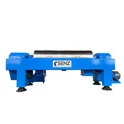

Hey there, beer enthusiasts! As a decantador supplier, I often get asked a pretty interesting question: Can you use a decantador for beer? Well, let's dive right into this topic and find out.
First off, what the heck is a decantador? A decantador, or a decanter in English, is a vessel typically used to separate sediment from wine and to aerate it, enhancing its flavor and aroma. But can it work its magic on beer?
Let's start by looking at the similarities and differences between beer and wine. Both are fermented beverages, but they have distinct characteristics. Wine is usually aged in barrels, which can lead to the formation of sediment over time. That's where the decanter comes in handy, allowing you to pour off the clear wine and leave the sediment behind.
Beer, on the other hand, is a bit different. Most commercial beers are filtered before they're bottled or canned, which removes any sediment. So, in the case of these filtered beers, there's no real need for a decantador to separate sediment. However, there are some types of beer where a decantador could be useful.
One such type is bottle-conditioned beer. These beers undergo a secondary fermentation in the bottle, which can result in the formation of sediment. When you pour a bottle-conditioned beer into a decantador, you can leave the sediment at the bottom of the bottle and enjoy a clear, smooth beer. This not only improves the visual appeal of the beer but can also enhance the taste by preventing you from drinking the sediment, which might have an off - flavor.
Another benefit of using a decantador for beer is aeration. Just like with wine, aerating beer can open up its flavors and aromas. When you pour beer into a decantador, it gets exposed to air, which can help release the volatile compounds in the beer. This can make the beer taste more complex and full - bodied. For example, some Belgian ales and stouts can really benefit from a bit of aeration. The rich, malty flavors in stouts can become more pronounced, and the fruity and spicy notes in Belgian ales can shine through.
Now, let's talk about how to use a decantador for beer. It's actually quite simple. First, make sure the decantador is clean and dry. Then, gently hold the beer bottle at an angle and slowly pour the beer into the decantador, being careful not to disturb the sediment at the bottom of the bottle. You can stop pouring when you see the sediment starting to come up.
But wait, there are some things to keep in mind. Not all beers are suitable for decanting. For example, light lagers and pilsners are usually best served fresh and cold, and decanting might not add much value. These beers are often designed to be crisp and refreshing, and too much aeration could make them lose their carbonation and become flat.
So, to sum it up, yes, you can use a decantador for beer, especially bottle - conditioned beers. It can help separate sediment and aerate the beer, enhancing its flavor and aroma. But it's important to choose the right type of beer for decanting.


If you're in the business of beer production or just a passionate homebrewer, having a good decantador can be a great addition to your toolkit. And as a decantador supplier, I've got a wide range of options to suit your needs. Whether you're looking for a simple glass decantador or a more elaborate one with special features, I've got you covered.
Now, I also want to mention a few related technologies that might be of interest to you. If you're involved in the beer industry, you might be dealing with wastewater treatment and sludge dewatering. Check out Slaughterhouse Wastewater Treatment and Sludge Dewatering Technologies. These links can provide you with some valuable information on how to handle these aspects of your operations. And if you're dealing with sulfur foam separation, Sulfur Foam Separation Centrifuge is a great resource.
If you're interested in purchasing a decantador for your beer needs, I'd love to have a chat with you. Whether you're a small craft brewery or a large commercial operation, I can help you find the perfect decantador. Don't hesitate to reach out for a purchase negotiation. I'm here to make sure you get the best product for your money.
References:
- General knowledge of beer brewing and beverage decanting.
- Industry - specific information on beer production and related technologies.