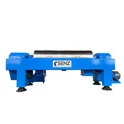

Hey there! As a supplier of oil water separators, I get asked a lot about how to check the integrity of these essential pieces of equipment. So, I thought I'd share some tips and insights on this topic.
First off, let's understand why it's so important to check the integrity of an oil water separator. These separators are designed to remove oil and other contaminants from water, ensuring that the water being discharged is clean and meets environmental standards. If the separator is not functioning properly, it can lead to pollution, regulatory issues, and even damage to your equipment.
Visual Inspection
The first step in checking the integrity of an oil water separator is a visual inspection. This is a quick and easy way to spot any obvious signs of damage or wear. Start by looking at the exterior of the separator. Check for any cracks, dents, or signs of corrosion. If you notice any of these issues, it could indicate a problem with the structural integrity of the separator.
Next, take a look at the inlet and outlet ports. Make sure they are clean and free of debris. If there is any blockage, it can affect the flow of water through the separator and reduce its efficiency. Also, check the seals around the ports to ensure they are tight and not leaking.
Inside the separator, look for any signs of oil buildup or sludge. This can indicate that the separator is not working properly and needs to be cleaned or maintained. If you see a large amount of oil or sludge, it may be a sign that the separator is reaching the end of its lifespan and needs to be replaced.
Pressure Testing
Another important way to check the integrity of an oil water separator is through pressure testing. This involves applying pressure to the separator to see if there are any leaks. You can use a pressure gauge to measure the pressure inside the separator and compare it to the manufacturer's specifications.
To perform a pressure test, first, make sure the separator is filled with water. Then, close all the valves and apply pressure to the separator using a pump or compressor. Monitor the pressure gauge to see if the pressure drops over time. If the pressure drops, it could indicate a leak in the separator.
If you suspect a leak, you can use a leak detection solution to identify the source of the leak. Apply the solution to the areas where you suspect the leak is occurring, and look for bubbles. The bubbles will indicate the location of the leak.
Performance Testing
In addition to visual inspection and pressure testing, it's also important to perform performance testing on the oil water separator. This involves measuring the efficiency of the separator in removing oil and other contaminants from the water.
To perform performance testing, you can collect samples of the water before and after it passes through the separator. Analyze the samples to determine the amount of oil and other contaminants in the water. Compare the results to the manufacturer's specifications to see if the separator is performing as expected.
If the separator is not performing as expected, it may be necessary to adjust the settings or perform maintenance on the separator. This could include cleaning the separator, replacing the filter media, or adjusting the flow rate.
Maintenance and Upkeep
Regular maintenance and upkeep are essential for ensuring the integrity of an oil water separator. This includes cleaning the separator, replacing the filter media, and checking the seals and gaskets.
Cleaning the separator involves removing any oil, sludge, or debris that has accumulated inside the separator. You can use a high-pressure water jet or a chemical cleaning solution to clean the separator. Make sure to follow the manufacturer's instructions when cleaning the separator to avoid damaging it.
Replacing the filter media is also important for maintaining the efficiency of the separator. The filter media is designed to trap oil and other contaminants, and over time, it can become clogged and less effective. Replace the filter media according to the manufacturer's recommendations to ensure the separator is working properly.


Checking the seals and gaskets is also important for preventing leaks. Over time, the seals and gaskets can wear out and become damaged, leading to leaks. Inspect the seals and gaskets regularly and replace them if necessary.
Conclusion
Checking the integrity of an oil water separator is an important part of maintaining its performance and ensuring that it is working properly. By performing visual inspections, pressure testing, and performance testing, you can identify any issues with the separator and take the necessary steps to fix them.
Regular maintenance and upkeep are also essential for ensuring the long-term integrity of the separator. By cleaning the separator, replacing the filter media, and checking the seals and gaskets, you can extend the lifespan of the separator and prevent costly repairs.
If you're in the market for an oil water separator or need help with maintenance and upkeep, feel free to reach out to us. We're a leading supplier of oil water separators and can provide you with the products and services you need to keep your equipment running smoothly.
References
- Manufacturer's manuals and specifications for oil water separators
- Industry standards and regulations for oil water separators
- Best practices for maintaining and testing oil water separators
In addition to oil water separators, we also offer a range of other products, such as Manure Decanter Centrifuge, Tailings Dewatering Decanter Centrifuge, and Fruit Pulp Decanter Centrifuge. If you're interested in learning more about these products or have any questions, don't hesitate to contact us. We're here to help you find the right solutions for your needs.