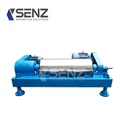

The emergency stop button on a centrifuge is a critical safety feature that can prevent serious accidents and equipment damage in case of an emergency. As a centrifuge maintenance supplier, we understand the importance of ensuring that this button functions properly at all times. In this blog post, we will discuss the maintenance requirements for a centrifuge's emergency stop button, including inspection, testing, and replacement procedures.
Inspection of the Emergency Stop Button
Regular inspection of the emergency stop button is essential to identify any signs of wear, damage, or malfunction. The inspection should be carried out at least once a month, or more frequently if the centrifuge is used in a harsh or demanding environment. Here are the key aspects to check during the inspection:
Physical Condition
- Button Integrity: Check the button itself for any cracks, chips, or other visible damage. A damaged button may not function correctly when pressed, so it should be replaced immediately.
- Mounting and Wiring: Inspect the mounting of the button to ensure that it is securely attached to the centrifuge control panel. Check the wiring connections for any signs of looseness, fraying, or corrosion. Loose or damaged wiring can cause intermittent or complete failure of the emergency stop function.
- Indicator Lights: If the emergency stop button has an indicator light, check that it is functioning properly. The light should illuminate when the button is pressed, indicating that the centrifuge has been stopped.
Functionality
- Button Operation: Test the button by pressing it firmly. The centrifuge should stop immediately, and all power to the machine should be cut off. Release the button and check that the centrifuge can be restarted normally.
- Reset Function: After testing the emergency stop button, check that the reset function works correctly. The centrifuge should not restart until the reset button (if applicable) has been pressed and the emergency stop condition has been cleared.
Testing of the Emergency Stop Button
In addition to regular inspections, the emergency stop button should be tested periodically to ensure its reliability. The testing frequency may vary depending on the type of centrifuge, its usage, and the manufacturer's recommendations. However, a general guideline is to perform a full functional test at least once every three months.


Full-Scale Testing
- Pre-Test Checks: Before conducting the full-scale test, ensure that the centrifuge is in a safe operating condition. Check that all safety guards are in place, and that there are no obstructions or loose objects near the machine.
- Test Procedure: Start the centrifuge and allow it to reach its normal operating speed. Then, press the emergency stop button firmly. The centrifuge should stop immediately, and all power to the machine should be cut off. Observe the centrifuge for any abnormal behavior or signs of damage during the stop process.
- Post-Test Checks: After the test, check that the centrifuge can be restarted normally. Inspect the emergency stop button and its wiring for any signs of damage or wear. If any issues are found, they should be addressed immediately before the centrifuge is returned to service.
Simulation Testing
In some cases, it may not be practical or safe to perform a full-scale test of the emergency stop button. In such situations, simulation testing can be used as an alternative. Simulation testing involves using a test device to simulate the pressing of the emergency stop button without actually stopping the centrifuge.
- Test Device: A suitable test device should be used to simulate the emergency stop signal. The test device should be calibrated and verified to ensure its accuracy.
- Test Procedure: Connect the test device to the emergency stop circuit of the centrifuge. Start the centrifuge and allow it to reach its normal operating speed. Then, activate the test device to simulate the pressing of the emergency stop button. The centrifuge should respond as if the actual button had been pressed, and all relevant safety functions should be activated.
- Post-Test Checks: After the simulation test, check that the centrifuge can be restarted normally. Inspect the test device and its connections for any signs of damage or malfunction.
Replacement of the Emergency Stop Button
If the emergency stop button is found to be damaged, worn, or malfunctioning during the inspection or testing, it should be replaced immediately. Replacing the button is a relatively simple procedure, but it should be carried out by a qualified technician to ensure proper installation and functionality.
Replacement Parts
- Compatibility: When selecting a replacement emergency stop button, ensure that it is compatible with the centrifuge model and its control system. The button should have the same electrical specifications and mounting dimensions as the original button.
- Quality: Choose a high-quality replacement button from a reputable manufacturer. A low-quality button may not function properly or may have a shorter lifespan, increasing the risk of equipment failure and safety hazards.
Installation Procedure
- Power Off: Before replacing the emergency stop button, ensure that the centrifuge is powered off and that all electrical connections are disconnected.
- Remove the Old Button: Unscrew the mounting screws or clips that hold the old button in place. Carefully remove the button from the control panel, taking note of the wiring connections.
- Install the New Button: Connect the wiring to the new button according to the wiring diagram. Make sure that the connections are secure and that there are no loose wires. Insert the new button into the control panel and secure it with the mounting screws or clips.
- Test the New Button: After installing the new button, test it to ensure that it functions properly. Press the button to stop the centrifuge, and then release it to restart the machine. Check that the indicator light (if applicable) illuminates when the button is pressed.
Importance of Maintenance for the Emergency Stop Button
Maintaining the emergency stop button on a centrifuge is crucial for several reasons:
Safety
- Accident Prevention: The emergency stop button is designed to stop the centrifuge immediately in case of an emergency, such as a mechanical failure, electrical fault, or operator error. Regular maintenance ensures that the button will function properly when needed, reducing the risk of accidents and injuries.
- Compliance with Regulations: Many safety regulations and standards require that emergency stop buttons on industrial equipment, including centrifuges, be maintained in good working condition. By following the recommended maintenance procedures, you can ensure compliance with these regulations and avoid potential fines or legal issues.
Equipment Protection
- Minimizing Damage: A malfunctioning emergency stop button may not stop the centrifuge quickly enough in case of an emergency, leading to further damage to the machine. Regular maintenance helps to identify and address any issues with the button before they cause serious damage to the centrifuge.
- Extending Equipment Lifespan: Proper maintenance of the emergency stop button can help to extend the lifespan of the centrifuge. By ensuring that the button functions correctly, you can prevent unnecessary wear and tear on the machine's components, reducing the need for costly repairs and replacements.
Related Equipment and Their Importance
In addition to the centrifuge itself, there are several related equipment items that play important roles in the overall operation and safety of the centrifuge system. These include the Screw Conveyor, Flocculant Auto Dosing System, and Centrifuge Feed Pump.
Screw Conveyor
- Material Handling: The screw conveyor is used to transport solids or semi-solids from one location to another. In a centrifuge system, it can be used to convey the separated solids away from the centrifuge, ensuring a continuous and efficient operation.
- Maintenance: Regular maintenance of the screw conveyor, including inspection of the conveyor belt, bearings, and drive system, is essential to prevent breakdowns and ensure smooth material flow.
Flocculant Auto Dosing System
- Enhanced Separation: The flocculant auto dosing system is used to add flocculants to the feed material, which helps to improve the separation efficiency of the centrifuge. By dosing the flocculant accurately and automatically, the system can optimize the performance of the centrifuge.
- Maintenance: Proper maintenance of the flocculant auto dosing system, such as checking the dosing pumps, valves, and sensors, is necessary to ensure accurate dosing and prevent clogging or malfunction.
Centrifuge Feed Pump
- Material Supply: The centrifuge feed pump is responsible for supplying the feed material to the centrifuge at the correct pressure and flow rate. A reliable feed pump is essential for the proper operation of the centrifuge.
- Maintenance: Regular maintenance of the centrifuge feed pump, including inspection of the pump impeller, seals, and motor, can help to prevent leaks, reduce energy consumption, and extend the pump's lifespan.
Conclusion
The emergency stop button on a centrifuge is a vital safety feature that requires regular maintenance to ensure its reliability. By following the inspection, testing, and replacement procedures outlined in this blog post, you can help to prevent accidents, protect your equipment, and ensure compliance with safety regulations. Additionally, proper maintenance of related equipment such as the Screw Conveyor, Flocculant Auto Dosing System, and Centrifuge Feed Pump is also essential for the overall performance and safety of the centrifuge system.
If you have any questions about centrifuge maintenance or need assistance with the maintenance of your centrifuge's emergency stop button or related equipment, please feel free to contact us. We are a professional centrifuge maintenance supplier with extensive experience and expertise in providing high-quality maintenance services. We look forward to discussing your needs and helping you ensure the safe and efficient operation of your centrifuge.
References
- Manufacturer's manuals for the centrifuge, screw conveyor, flocculant auto dosing system, and centrifuge feed pump.
- Industry standards and regulations related to centrifuge safety and maintenance.