
As a supplier of complete sets of equipment, I often get asked about the automation levels of the equipment we offer. It's a crucial topic because the right automation level can significantly impact the efficiency, cost - effectiveness, and overall performance of a plant or operation. In this blog, I'll break down the different automation levels of a complete set of equipment and explain how they can benefit your business.
Basic Automation Level
At the most fundamental level, we have basic automation. This level is all about the simple, repetitive tasks that can be handled by machines with minimal human intervention. For example, in a wastewater treatment complete set of equipment, the basic automation might involve pumps that turn on and off based on pre - set water levels.
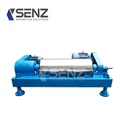
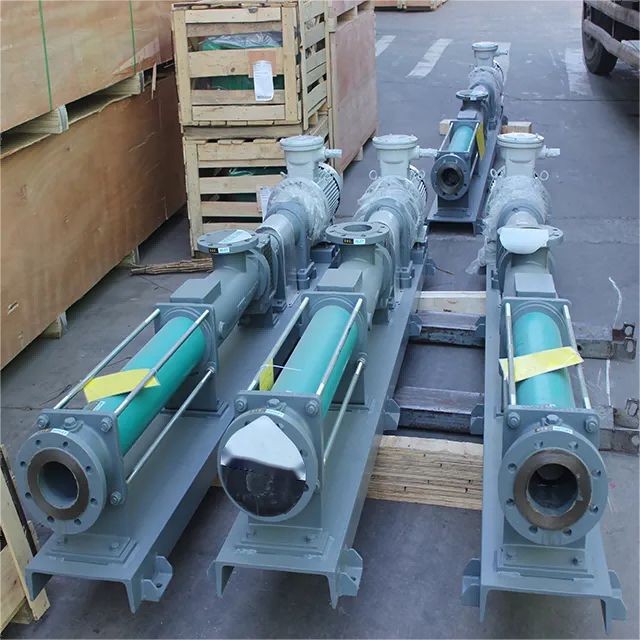
Let's say you have a centrifuge in your equipment set. The centrifuge feed pump at the basic automation level can be programmed to start when the centrifuge needs more material to process and stop when a certain volume has been delivered. You can check out more about the Centrifuge Feed Pump on our website.
The advantage of basic automation is that it reduces the need for constant manual monitoring. Workers no longer have to stand by and watch the water level or the centrifuge feed all the time. This not only saves labor but also reduces the risk of human error. However, basic automation is limited in its ability to adapt to changing conditions. If there's a sudden change in the input material or the process requirements, it may not be able to adjust on its own.
Intermediate Automation Level
Moving up a notch, the intermediate automation level adds more intelligence to the equipment. At this level, the equipment can collect data from various sensors and make some simple decisions based on that data.
For instance, in a flocculant auto - dosing system, sensors can measure the turbidity of the water. Based on the turbidity readings, the system can adjust the amount of flocculant being dosed. You can find more details about our Flocculant Auto Dosing System on our site.
This level of automation also allows for better integration between different pieces of equipment in the complete set. The centrifuge and the feed pump can communicate with each other more effectively. If the centrifuge is running at a higher capacity, the feed pump can adjust the flow rate accordingly.
Intermediate automation provides more flexibility compared to basic automation. It can handle small variations in the process and optimize the operation to some extent. But it still has its limitations. It may not be able to handle complex scenarios or make long - term strategic decisions.
Advanced Automation Level
The advanced automation level takes things to a whole new level. At this stage, the equipment can use advanced algorithms and artificial intelligence to analyze large amounts of data and make complex decisions.
For example, in a centrifuge system, an advanced automation setup can predict when maintenance is required. By analyzing factors like vibration, temperature, and operating time, it can send an alert well in advance, allowing you to schedule maintenance at a convenient time. You can learn more about Centrifuge Maintenance on our website.

Advanced automation also enables real - time optimization of the entire process. It can adjust multiple parameters simultaneously to achieve the best possible output in terms of quality, quantity, and cost. For instance, in a manufacturing complete set of equipment, it can balance the production rate, energy consumption, and raw material usage to maximize profit.
However, implementing advanced automation requires a significant investment in terms of technology and training. You need to have a skilled team to manage and maintain the advanced systems.
Fully Automated Level
The fully automated level represents the pinnacle of automation. At this level, the complete set of equipment can operate independently with almost no human intervention. It can handle all aspects of the process, from raw material intake to finished product output.
In a fully automated wastewater treatment plant, for example, the system can continuously monitor the quality of the incoming water, adjust the treatment processes in real - time, and even handle emergencies without human help.
Fully automated systems are highly efficient and consistent. They can run 24/7 without breaks, ensuring a continuous and stable production or treatment process. But they are also very complex and expensive to set up. You need to have a high - level of trust in the technology and the reliability of the equipment.
Choosing the Right Automation Level
So, how do you choose the right automation level for your complete set of equipment? Well, it depends on several factors.
First, consider your budget. If you're on a tight budget, starting with basic automation might be the way to go. You can gradually upgrade to higher levels as your business grows and you have more funds available.
Second, think about the complexity of your process. If your process is relatively simple and stable, basic or intermediate automation may be sufficient. But if you have a complex process with many variables, advanced or fully automated systems may be necessary to achieve optimal results.
Third, consider the availability of skilled labor. If you have a hard time finding and retaining skilled workers, higher levels of automation can help reduce your dependence on human labor.
Why Choose Our Complete Sets of Equipment
As a supplier, we offer a wide range of complete sets of equipment with different automation levels. We understand that every customer has unique needs, and we're committed to providing the best solution for you.
Our equipment is designed with the latest technology and high - quality components, ensuring reliability and performance. Whether you need a basic automation system to get started or a fully automated setup for a large - scale operation, we've got you covered.
We also provide excellent after - sales service. Our team of experts can help you install, maintain, and upgrade your equipment. We're always here to answer your questions and provide support whenever you need it.
Let's Talk
If you're interested in learning more about our complete sets of equipment and the automation levels we offer, don't hesitate to reach out. We'd love to have a chat with you about your specific requirements and see how we can help you improve your operation. Whether you're a small business looking for a cost - effective solution or a large corporation in need of a high - end automated system, we're ready to assist.
References
- Industry reports on automation in equipment manufacturing
- Technical documents on centrifuge, feed pump, and flocculant dosing system operations