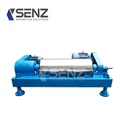

Hey there! As a centrifuge maintenance supplier, I often get asked about the maintenance procedures for a centrifuge's data transfer function. If your centrifuge has this nifty feature, it's crucial to keep it in tip - top shape to ensure smooth operation and accurate data collection.
First off, let's talk about why data transfer in a centrifuge is so important. In modern labs and industrial settings, the data generated by centrifuges can provide valuable insights. Whether you're analyzing samples in a research lab or monitoring a production process, having the ability to transfer data quickly and accurately can save time and improve decision - making.
Hardware Inspection
The first step in maintaining the data transfer function is to conduct a hardware inspection. This includes checking all the cables and connectors associated with the data transfer. Over time, cables can get frayed or connectors can become loose. A simple visual check can often reveal these issues. Make sure that all cables are properly plugged in and there are no signs of physical damage. If you notice any problems, replace the cables immediately.
Another part of the hardware inspection is looking at the data transfer ports on the centrifuge. These ports can accumulate dust and debris, which can interfere with the connection. Use a clean, dry cloth to gently clean the ports. For stubborn dirt, you can use a can of compressed air to blow it out. Just be careful not to damage the delicate components inside the ports.


Software Updates
Software plays a huge role in the data transfer function of a centrifuge. Manufacturers often release updates to improve the performance, fix bugs, and add new features. It's important to regularly check for these updates and install them as soon as they're available.
Most modern centrifuges have a built - in system for checking for software updates. You can usually find this option in the centrifuge's settings menu. If your centrifuge doesn't have this feature, you can visit the manufacturer's website to check for the latest software version. Make sure to follow the manufacturer's instructions carefully when installing the updates to avoid any issues.
Data Backup and Storage
Data backup is an essential part of maintaining the data transfer function. You never know when something might go wrong, like a software glitch or a hardware failure. By regularly backing up your data, you can ensure that you don't lose any important information.
There are several ways to back up centrifuge data. You can use an external hard drive, a USB flash drive, or a cloud storage service. If you choose to use a cloud service, make sure it's a reliable and secure one. Also, set up a regular backup schedule. For example, you could back up your data every week or every month, depending on how frequently you use the centrifuge.
Testing the Data Transfer Function
Once you've completed the hardware inspection, software updates, and data backup, it's time to test the data transfer function. This is a simple but important step. Try transferring some data from the centrifuge to your computer or other storage device.
Check if the transfer is successful and if the data is accurate. If you encounter any problems, like slow transfer speeds or data errors, there might be an issue that needs further investigation. You can refer to the centrifuge's user manual or contact the manufacturer's support team for help.
Integration with Other Systems
Many modern labs and industrial facilities use multiple systems that need to work together. If your centrifuge's data needs to be integrated with other systems, like a database or a monitoring software, proper maintenance is even more crucial.
Make sure that the centrifuge's data transfer function is compatible with the other systems. You may need to install additional drivers or software to enable the integration. Also, test the integration periodically to ensure that data is flowing smoothly between the systems.
Safety Considerations
When dealing with the data transfer function of a centrifuge, safety should always be a top priority. Make sure that you follow all the safety guidelines provided by the manufacturer. This includes wearing appropriate protective gear when handling the hardware, and not making any unauthorized modifications to the centrifuge or its software.
If you're not sure about something, don't hesitate to ask for help. The manufacturer's support team or a professional centrifuge maintenance service can provide you with the guidance you need to keep the data transfer function safe and reliable.
If you're in the market for additional centrifuge - related equipment, we can recommend some great options. Check out our Centrifuge Feed Pump, Sludge Dewatering Equipment, and Flocculant Auto Dosing System. These products can work in harmony with your centrifuge and enhance its overall performance.
Maintaining the data transfer function of a centrifuge may seem like a bit of a hassle, but it's definitely worth it in the long run. A well - maintained data transfer function ensures that you can rely on the data generated by your centrifuge for accurate analysis and decision - making. If you have any questions about centrifuge maintenance or need professional services, don't hesitate to contact us. We're here to help you keep your centrifuge running smoothly and get the most out of its data transfer capabilities.
References
- Manufacturer's user manuals for centrifuge models.
- Industry best practices for laboratory equipment maintenance.
- Technical papers on data transfer and storage in centrifuge systems.