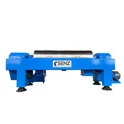

Transporting an oil water separator is a critical process that requires careful planning and execution to ensure the equipment arrives at its destination in optimal condition. As a trusted supplier of oil water separators, I understand the intricacies involved in this process and am here to share valuable insights on how to transport these essential devices safely and efficiently.
Understanding the Oil Water Separator
Before delving into the transportation process, it's essential to understand what an oil water separator is and its significance. An oil water separator is a device designed to separate oil and water mixtures, preventing oil from contaminating water sources. These separators are widely used in various industries, including manufacturing, automotive, and wastewater treatment, to comply with environmental regulations and protect the environment.
Pre - transportation Preparations
Inspection and Maintenance
The first step in transporting an oil water separator is to conduct a thorough inspection of the equipment. Check for any signs of damage, wear, or malfunction. Ensure that all components, such as filters, valves, and pumps, are in good working condition. Perform any necessary maintenance or repairs before transportation to avoid issues during transit.
Cleaning
Clean the oil water separator thoroughly to remove any residual oil, water, or debris. This not only helps prevent corrosion during transportation but also ensures that the equipment meets hygiene standards. Use appropriate cleaning agents and follow the manufacturer's guidelines for cleaning.
Disassembly (if necessary)
In some cases, it may be necessary to disassemble the oil water separator into smaller components for easier transportation. This is especially true for large or bulky separators. When disassembling, label all parts clearly to facilitate reassembly at the destination. Keep all fasteners, nuts, and bolts in a secure container to prevent loss.
Documentation
Gather all relevant documentation, including the equipment's manual, warranty information, and shipping instructions. This documentation will be useful during transportation and installation at the destination.
Packaging
Custom - Built Crates
Invest in high - quality, custom - built crates for packaging the oil water separator. These crates should be designed to fit the dimensions of the equipment precisely and provide adequate protection against impacts, vibrations, and moisture. Use sturdy materials such as plywood or steel to construct the crates.
Padding and Cushioning
Line the inside of the crates with padding materials such as foam, bubble wrap, or rubber mats. This helps absorb shocks and vibrations during transportation and protects the equipment from damage. Pay special attention to fragile components and ensure they are well - cushioned.


Sealing
Seal the crates properly to prevent moisture and dust from entering. Use weather - resistant seals and tapes to ensure a tight fit. If the equipment is being transported in a humid environment, consider using desiccants inside the crates to absorb moisture.
Choosing the Right Transportation Method
Road Transport
Road transport is a common choice for transporting oil water separators, especially for short - to medium - distance deliveries. When choosing a road carrier, ensure that they have experience in transporting heavy and bulky equipment. Check their safety records and the condition of their vehicles. Use flatbed trucks or enclosed trailers, depending on the size and nature of the equipment. Secure the crated separator to the truck using straps or chains to prevent movement during transit.
Rail Transport
For long - distance transportation, rail transport can be a cost - effective option. Railways offer a stable and reliable mode of transportation, with less risk of traffic congestion compared to road transport. However, it may require additional handling at rail terminals, so ensure that the carrier has the necessary equipment and expertise to load and unload the oil water separator safely.
Sea Transport
If the destination is overseas, sea transport is often the most practical choice. When shipping by sea, choose a reputable shipping line with experience in transporting industrial equipment. The separator should be loaded into a shipping container to protect it from the harsh marine environment. Ensure that the container is properly secured on the vessel to prevent shifting during the voyage.
Loading and Unloading
Professional Handling
Use professional handlers for loading and unloading the oil water separator. These handlers should be trained in handling heavy and delicate equipment and follow safety protocols. They should use appropriate lifting equipment, such as cranes or forklifts, to ensure a smooth and safe transfer.
Inspection at Loading and Unloading
Conduct a detailed inspection of the equipment before loading and after unloading. Check for any signs of damage that may have occurred during transportation. If any damage is detected, document it immediately and notify the carrier and insurance company.
Insurance
It is crucial to obtain comprehensive insurance coverage for the oil water separator during transportation. This protects you from financial losses in case of damage, loss, or theft. Work with a reliable insurance provider who understands the specific risks associated with transporting industrial equipment.
Post - transportation Checks
Once the oil water separator arrives at its destination, conduct a final inspection before installation. Check all components for any signs of damage or misalignment. Reassemble the equipment if it was disassembled for transportation, following the manufacturer's instructions. Test the separator to ensure it is functioning correctly.
Related Products
In addition to oil water separators, we also offer a range of other high - quality equipment. For example, our Fish Meal Dewatering Centrifuge is designed to efficiently separate water from fish meal, improving the quality and shelf - life of the product. Our Volute Screw Press is a reliable solution for sludge dewatering in various industries. And our Tea Extraction Decanter Centrifuge is ideal for separating tea extracts from the liquid phase.
Contact for Purchase and Consultation
If you are interested in our oil water separators or any of our other products, we invite you to reach out to us for more information. Our team of experts is ready to assist you with product selection, transportation advice, and installation guidance. We are committed to providing you with the best solutions for your industrial needs.
References
- "Industrial Equipment Transportation Best Practices" - Journal of Industrial Logistics
- Manufacturer's manuals for oil water separators, fish meal dewatering centrifuges, volute screw presses, and tea extraction decanter centrifuges.
- International Maritime Organization (IMO) guidelines for shipping industrial equipment.