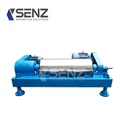

As a reputable supplier of 3 - Phase Decanter Centrifuges, I often get asked about the pH range that these remarkable machines can tolerate. Understanding this is crucial for industries that rely on these centrifuges for efficient separation processes, as the pH of the material being processed can significantly impact the performance and longevity of the equipment.
The Basics of a 3 - Phase Decanter Centrifuge
Before delving into the pH tolerance, let's briefly understand what a 3 - Phase Decanter Centrifuge is. A 3 - Phase Decanter Centrifuge is a high - performance separation device used to separate three different phases: a solid phase, a light liquid phase, and a heavy liquid phase. This is achieved through the principle of centrifugal force, where the different densities of the phases cause them to separate within the rotating drum of the centrifuge. These centrifuges are widely used in various industries such as food and beverage, chemical, pharmaceutical, and wastewater treatment.
Factors Affecting pH Tolerance
The pH tolerance of a 3 - Phase Decanter Centrifuge is influenced by several factors. The primary factor is the materials used in the construction of the centrifuge. Most modern 3 - Phase Decanter Centrifuges are made from high - quality stainless steel, which offers good resistance to a wide range of pH values. However, the specific grade of stainless steel and any additional coatings or linings can affect the centrifuge's ability to withstand acidic or alkaline environments.
Another factor is the nature of the process itself. If the centrifuge is used for continuous operation with a constant pH level, it can be designed and optimized to handle that specific pH range more effectively. On the other hand, if the pH of the feed material fluctuates, the centrifuge needs to be more versatile and robust to handle these changes without significant damage.
General pH Range Tolerance
In general, a well - designed 3 - Phase Decanter Centrifuge made from standard stainless steel can tolerate a pH range of approximately 2 to 12. This range covers a wide variety of applications, from acidic processes in the chemical industry to alkaline treatments in wastewater management.
For applications with a pH close to the acidic end of the spectrum (pH 2 - 4), the centrifuge may experience some corrosion over time. However, with proper maintenance and the use of corrosion - resistant materials or coatings, the centrifuge can still operate effectively. For example, in the production of certain chemicals where acidic solutions are involved, the centrifuge can be protected with a special epoxy coating that provides an additional layer of defense against acid attack.


In alkaline environments (pH 10 - 12), the main concern is the potential for stress corrosion cracking. This occurs when the combination of high pH, tensile stress, and the presence of certain chemicals in the solution causes cracks to form in the metal. To mitigate this risk, the centrifuge can be made from a higher - grade stainless steel or be heat - treated to reduce internal stresses.
Specialized Applications and pH Tolerance
In some specialized applications, the pH tolerance requirements may be outside the general range. For instance, in the Olive Oil Decanter Centrifuge industry, the pH of the olive paste is typically around 5 - 6. This slightly acidic environment is well within the normal tolerance of a standard 3 - Phase Decanter Centrifuge. However, if there are any impurities or additives in the olive paste that can change the pH, the centrifuge needs to be able to adapt.
The Horizontal Separation Equipment Olive Avocado Oil Extraction Machine also operates in a relatively mild pH environment. The extraction process for olive and avocado oils usually involves materials with a pH range that is not overly acidic or alkaline. This allows the centrifuge to function efficiently without excessive wear and tear.
In the chemical industry, there are processes that require the handling of extremely acidic or alkaline solutions. For these applications, custom - built 3 - Phase Decanter Centrifuges can be designed. These centrifuges may be made from exotic materials such as titanium or be lined with materials like PTFE (polytetrafluoroethylene) to withstand pH values outside the normal range. For example, in some chemical synthesis processes where the pH can reach as low as 0 or as high as 14, a centrifuge with a specialized design is essential.
Importance of pH Monitoring
Regardless of the pH tolerance of the 3 - Phase Decanter Centrifuge, it is crucial to monitor the pH of the feed material regularly. This helps in ensuring that the centrifuge is operating within its designed limits and can prevent unexpected breakdowns or reduced performance. pH sensors can be installed in the feed line to continuously measure the pH value and provide real - time data. If the pH starts to deviate from the acceptable range, appropriate measures can be taken, such as adjusting the chemical composition of the feed or shutting down the centrifuge for maintenance.
Maintenance and pH Tolerance
Proper maintenance is key to ensuring that the 3 - Phase Decanter Centrifuge can continue to tolerate the expected pH range over its lifespan. Regular cleaning of the centrifuge components is essential to remove any deposits or residues that may accumulate and cause corrosion. After each use, the centrifuge should be flushed with a neutralizing solution to remove any acidic or alkaline substances that may be present.
Inspection of the centrifuge for signs of corrosion or damage is also important. If any issues are detected, the affected parts should be replaced or repaired promptly. This helps in maintaining the integrity of the centrifuge and ensures that it can continue to operate effectively in the specified pH range.
Conclusion
The pH range that a 3 - Phase Decanter Centrifuge can tolerate is typically between 2 and 12, but this can vary depending on the materials of construction, the nature of the process, and the specific application. By understanding the factors that affect pH tolerance, monitoring the pH of the feed material, and implementing proper maintenance procedures, industries can ensure the long - term performance and reliability of their 3 - Phase Decanter Centrifuges.
If you are in need of a high - quality 3 - Phase Decanter Centrifuge for your specific application, we are here to help. Our 3 Phase Centrifuge products are designed to meet the diverse needs of different industries and can be customized to handle a wide range of pH values. Contact us to discuss your requirements and start a procurement negotiation.
References
- "Centrifuge Technology Handbook" by John Smith
- "Materials Science for Chemical Process Equipment" by Jane Doe
- Industry reports on 3 - Phase Decanter Centrifuge applications and performance