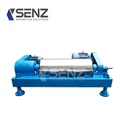
Hey there! As a supplier of Sludge Dewatering Equipment, I've seen firsthand the challenges that come with preventing the growth of bacteria in these machines. Bacteria can cause all sorts of problems, from clogging up the equipment to producing unpleasant odors. In this blog post, I'll share some tips on how to keep bacteria at bay and ensure your sludge dewatering equipment runs smoothly.
First off, let's talk about why bacteria grow in sludge dewatering equipment in the first place. Sludge is a perfect breeding ground for bacteria because it's rich in organic matter and moisture. When sludge sits in the equipment for too long, bacteria can multiply rapidly, leading to all sorts of issues. That's why it's important to keep the equipment clean and well-maintained.
One of the most effective ways to prevent bacteria growth is to regularly clean the equipment. This means removing any sludge buildup and disinfecting the surfaces. You can use a variety of cleaning agents, such as bleach or hydrogen peroxide, to kill bacteria. Just make sure to follow the manufacturer's instructions and wear protective gear, such as gloves and goggles, when handling these chemicals.
Another important step is to monitor the temperature and pH levels of the sludge. Bacteria thrive in warm, acidic environments, so keeping the temperature and pH levels within a certain range can help prevent their growth. You can use a thermometer and pH meter to measure these levels and adjust them as needed.
In addition to regular cleaning and monitoring, it's also a good idea to use a Centrifuge Feed Pump. This type of pump helps to move the sludge through the equipment more quickly, reducing the amount of time it spends sitting in the machine. By keeping the sludge moving, you can prevent bacteria from settling and growing.
Proper maintenance of the Sludge Dewatering Equipment is also crucial. This includes checking the seals and gaskets regularly to make sure they're not leaking, as well as lubricating the moving parts to prevent wear and tear. You should also follow the manufacturer's recommended maintenance schedule for tasks such as changing the filters and belts.
If you have a centrifuge in your sludge dewatering system, it's important to perform Centrifuge Maintenance on a regular basis. This includes balancing the centrifuge to ensure it runs smoothly and efficiently, as well as inspecting the bowl and scroll for any signs of damage. By keeping the centrifuge in good condition, you can prevent bacteria from growing in the equipment and ensure it continues to operate effectively.
It's also a good idea to use a chemical treatment to prevent bacteria growth. There are a variety of chemicals available that can be added to the sludge to kill bacteria and prevent their growth. These chemicals can be added directly to the sludge or to the water used in the dewatering process. However, it's important to use these chemicals carefully and follow the manufacturer's instructions, as they can be harmful if not used properly.
In addition to these steps, it's also important to train your employees on proper hygiene and safety procedures. This includes wearing protective gear, such as gloves and masks, when handling the sludge and equipment, as well as washing their hands regularly. By educating your employees on the importance of preventing bacteria growth, you can help to ensure a safe and healthy work environment.
Finally, it's important to keep records of your cleaning, maintenance, and monitoring activities. This can help you to identify any trends or issues that may be occurring and take appropriate action. By keeping detailed records, you can also demonstrate to your customers and regulatory agencies that you're taking steps to prevent bacteria growth and ensure the safety and quality of your products.


In conclusion, preventing the growth of bacteria in sludge dewatering equipment is essential for ensuring the equipment runs smoothly and efficiently. By following these tips, you can keep bacteria at bay and prevent a variety of problems, from clogging to unpleasant odors. If you have any questions or need more information about preventing bacteria growth in your sludge dewatering equipment, don't hesitate to contact us. We're here to help you find the best solutions for your needs.
If you're in the market for Sludge Dewatering Equipment, we'd love to talk to you about our products and services. We offer a wide range of high-quality equipment that's designed to meet the needs of various industries. Whether you're looking for a small-scale system for a wastewater treatment plant or a large-scale system for an industrial facility, we can help you find the right solution. So, don't hesitate to reach out and start a conversation about your requirements. We're ready to assist you with all your sludge dewatering needs.
References
- General knowledge on sludge dewatering and bacteria control in industrial equipment maintenance.
- Manufacturer's manuals for sludge dewatering equipment and related pumps.