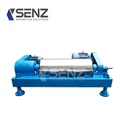

Hey there! As a supplier of Gluten Wheat Flour Separators, I often get asked about the maintenance frequency of these machines. It's a crucial question because proper maintenance not only ensures the longevity of the separator but also guarantees the quality of the gluten and wheat flour it produces. So, let's dive right in and explore what the ideal maintenance frequency for a Gluten Wheat Flour Separator is.
Why Maintenance Matters
Before we talk about how often to maintain the separator, let's understand why maintenance is so important. A Gluten Wheat Flour Separator is a complex piece of equipment that works hard to separate gluten from wheat flour. Over time, wear and tear can occur, which can lead to a decrease in performance. For example, if the separator's filters get clogged, it won't be able to separate the gluten and flour as efficiently. This can result in lower-quality products and even damage to the machine.
Regular maintenance helps to prevent these issues. It keeps the separator running smoothly, reduces the risk of breakdowns, and ensures that you get the most out of your investment. Plus, it can save you money in the long run by avoiding costly repairs and replacements.
Factors Affecting Maintenance Frequency
The maintenance frequency of a Gluten Wheat Flour Separator isn't a one-size-fits-all answer. It depends on several factors, including:
- Usage: How often you use the separator plays a big role in how often it needs maintenance. If you're running the machine 24/7, it will likely need more frequent maintenance than if you only use it a few times a week.
- Operating Conditions: The environment in which the separator operates can also affect its maintenance needs. For example, if the machine is in a dusty or humid environment, it may require more frequent cleaning and lubrication.
- Quality of Input Materials: The quality of the wheat you're using can impact the separator's performance and maintenance requirements. If the wheat contains a lot of impurities, it can put more strain on the machine and require more frequent maintenance.
General Maintenance Guidelines
Based on these factors, here are some general maintenance guidelines for a Gluten Wheat Flour Separator:


-
Daily Maintenance:
- Visual Inspection: Before starting the machine each day, do a quick visual inspection. Check for any signs of damage, such as loose belts, leaks, or worn parts.
- Cleaning: After each use, clean the separator to remove any leftover flour or gluten. This helps to prevent clogs and keeps the machine running smoothly.
- Lubrication: Check the lubrication levels of the machine's moving parts. If necessary, add lubricant to ensure proper operation.
-
Weekly Maintenance:
- Filter Cleaning or Replacement: The filters in the separator are crucial for separating the gluten and flour. Depending on the usage, clean or replace the filters on a weekly basis to maintain optimal performance.
- Belt Tension Check: Inspect the belts for proper tension. Loose belts can cause the machine to operate inefficiently and may even lead to breakdowns.
-
Monthly Maintenance:
- Component Inspection: Take a closer look at the machine's components, such as the bearings, gears, and motors. Look for any signs of wear or damage and replace any parts as needed.
- Electrical System Check: Check the electrical connections and wiring to ensure they're secure and in good condition. Loose connections can cause electrical problems and pose a safety hazard.
-
Quarterly and Annual Maintenance:
- Professional Inspection: At least once a quarter, have a professional technician inspect the separator. They can perform more in-depth tests and maintenance tasks, such as calibrating the machine and checking the alignment of the components.
- Major Overhaul: Once a year, consider a major overhaul of the separator. This may involve disassembling the machine, cleaning all the parts, and replacing any worn or damaged components.
Related Products and Their Maintenance
If you're in the food processing industry, you may also be interested in other related products. For example, Municipal Sewage Treatment is an important process that often involves the use of centrifuges. These machines also require regular maintenance to ensure proper operation.
Another product is the Drycake DR Decanter Centrifuge. This type of centrifuge is commonly used in various industries, including food processing, to separate solids from liquids. Like the Gluten Wheat Flour Separator, it needs to be maintained regularly to perform at its best.
And if you're looking for a centrifuge in a different language, check out the Decantador. It's a great option for those who prefer Spanish or need a machine with specific features.
Conclusion
In conclusion, the maintenance frequency of a Gluten Wheat Flour Separator depends on several factors, including usage, operating conditions, and the quality of the input materials. By following the general maintenance guidelines outlined above, you can keep your separator running smoothly and ensure the quality of your products.
If you're interested in purchasing a Gluten Wheat Flour Separator or have any questions about maintenance, don't hesitate to reach out. We're here to help you make the most of your investment and ensure that your business runs efficiently.
References
- Food Processing Machinery Maintenance Handbook
- Manufacturer's Manual for Gluten Wheat Flour Separators