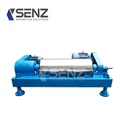

Hey there! As a supplier of small decanter centrifuges, I know how crucial it is to keep your equipment in top - notch condition. One of the most important aspects of maintaining a small decanter centrifuge is calibrating its sensors. In this blog, I'll walk you through the process of sensor calibration in a small decanter centrifuge, so you can ensure accurate and efficient operation.
Why Sensor Calibration Matters
Before we dive into the calibration process, let's talk about why it's so important. Sensors in a small decanter centrifuge are responsible for monitoring various parameters such as temperature, pressure, speed, and vibration. These parameters directly affect the performance and safety of the centrifuge.
If the sensors are not calibrated correctly, they may provide inaccurate readings. This can lead to improper operation of the centrifuge, reduced separation efficiency, and even potential damage to the equipment. For example, an incorrectly calibrated temperature sensor might not detect overheating, which could cause the centrifuge to malfunction or even break down. So, regular sensor calibration is a must - do to keep your centrifuge running smoothly.


Types of Sensors in a Small Decanter Centrifuge
Small decanter centrifuges typically have several types of sensors, each with its own function. Here are some of the most common ones:
- Temperature Sensors: These sensors monitor the temperature of the centrifuge's motor, bearings, and other critical components. High temperatures can indicate problems such as excessive friction or electrical issues.
- Pressure Sensors: Pressure sensors measure the pressure inside the centrifuge, especially in the feed and discharge lines. Incorrect pressure can affect the flow of the material being processed and the separation efficiency.
- Speed Sensors: As the name suggests, speed sensors measure the rotational speed of the centrifuge's bowl. Maintaining the correct speed is essential for proper separation of the different phases in the material.
- Vibration Sensors: Vibration sensors detect any abnormal vibrations in the centrifuge. Excessive vibration can be a sign of unbalanced loads, worn - out bearings, or other mechanical problems.
Pre - Calibration Checks
Before you start calibrating the sensors, there are a few pre - calibration checks you should perform:
- Visual Inspection: Check the sensors for any physical damage, such as cracks, loose connections, or corrosion. A damaged sensor may not work properly, even after calibration.
- Cleaning: Make sure the sensors are clean. Dirt, debris, or chemical residues on the sensors can interfere with their readings. Use a soft cloth and a mild cleaning solution to clean the sensors gently.
- Check the Manufacturer's Manual: Refer to the centrifuge's manufacturer's manual for specific calibration instructions and recommended calibration intervals. Different sensors may have different calibration requirements.
Calibration Process
Now, let's get into the actual calibration process. The following steps are general guidelines, and you should always follow the manufacturer's instructions for your specific centrifuge model.
Temperature Sensors
- Use a Reference Thermometer: Select a high - quality reference thermometer with a known accuracy. Place the reference thermometer near the temperature sensor in the centrifuge.
- Take Readings: Start the centrifuge and let it reach a stable operating temperature. Take readings from both the temperature sensor and the reference thermometer at the same time.
- Compare and Adjust: Compare the readings. If there is a significant difference between the two readings, adjust the temperature sensor according to the manufacturer's instructions. This may involve using calibration software or adjusting potentiometers on the sensor.
- Repeat the Process: Repeat the process at different temperatures to ensure the accuracy of the sensor across the entire operating range.
Pressure Sensors
- Use a Pressure Calibrator: Connect a pressure calibrator to the pressure sensor. A pressure calibrator is a device that can generate known pressures.
- Apply Known Pressures: Apply a series of known pressures to the sensor using the pressure calibrator. Take readings from the pressure sensor at each pressure point.
- Compare and Adjust: Compare the sensor readings with the known pressures. If there are discrepancies, adjust the pressure sensor to match the known pressures.
- Verify Accuracy: After adjustment, verify the accuracy of the sensor by applying additional known pressures and checking the readings.
Speed Sensors
- Use a Tachometer: A tachometer is a device used to measure the rotational speed of a shaft. Use a tachometer to measure the actual speed of the centrifuge's bowl.
- Compare with Sensor Reading: Compare the tachometer reading with the reading from the speed sensor. If there is a difference, adjust the speed sensor to match the tachometer reading.
- Check for Consistency: Check the speed sensor's reading at different speeds to ensure its consistency.
Vibration Sensors
- Use a Vibration Analyzer: A vibration analyzer is a tool that can measure the amplitude and frequency of vibrations. Connect the vibration analyzer to the vibration sensor.
- Run the Centrifuge: Start the centrifuge and let it run at different speeds. The vibration analyzer will measure the vibrations and provide data on their characteristics.
- Set Thresholds: Based on the normal operating conditions of the centrifuge, set appropriate vibration thresholds. If the vibration sensor detects vibrations above these thresholds, it should trigger an alarm.
- Adjust the Sensor: If the vibration sensor is not accurately detecting vibrations or is giving false alarms, adjust it according to the manufacturer's instructions.
Post - Calibration Testing
After calibrating all the sensors, it's important to perform post - calibration testing to ensure that the centrifuge is operating correctly.
- Functionality Test: Run the centrifuge through a normal operating cycle and monitor the sensor readings. Make sure all the sensors are providing accurate and consistent readings.
- Performance Test: Check the centrifuge's performance, such as separation efficiency, throughput, and power consumption. If there are any significant changes in performance, it may indicate that the sensors are still not calibrated correctly.
Real - World Applications
Our small decanter centrifuges have a wide range of real - world applications. For example, in the Avocado Oil Production Line Decanter, accurate sensor calibration is essential for separating the oil from the avocado pulp efficiently. In Sand & Gravel Washing Water Treatment, calibrated sensors help in controlling the pressure and flow rate to ensure proper separation of sand and water. And in the Humic Acid Potassium Extraction Machine, sensors play a crucial role in maintaining the right temperature and speed for extracting humic acid potassium.
Conclusion
Calibrating the sensors in a small decanter centrifuge is a critical process that ensures the accurate and efficient operation of the equipment. By following the steps outlined in this blog and regularly calibrating your sensors, you can extend the lifespan of your centrifuge, improve its performance, and avoid costly breakdowns.
If you're interested in purchasing a small decanter centrifuge or need more information about sensor calibration, feel free to reach out. We're here to help you make the most of your centrifuge and ensure its optimal performance.
References
- Manufacturer's manuals for small decanter centrifuges
- Industry standards for sensor calibration in centrifuges
- Technical papers on centrifuge operation and maintenance