
Operating an olive oil extractor machine efficiently is crucial for producing high - quality olive oil. As a leading supplier of olive oil extractor machines, we understand the importance of proper operation to ensure optimal results. In this blog, we will provide a comprehensive guide on how to operate an olive oil extractor machine.
Pre - operation Preparation
Before starting the olive oil extraction process, several steps need to be taken to ensure smooth operation. First, thoroughly clean the machine. This includes all the components such as the hopper, crushing chamber, and separation units. Any debris or residual oil from previous extractions can affect the quality of the new batch of olive oil. Use a mild detergent and warm water to clean the parts, and then rinse them thoroughly to remove any soap residue.
Next, inspect the machine for any signs of damage or wear. Check the belts, motors, and other mechanical parts. If there are any loose or damaged components, replace them immediately. This preventive maintenance can save you from costly breakdowns during the extraction process.
Also, ensure that you have a sufficient supply of olives. Select high - quality olives for the best results. The olives should be fresh, free from mold, and have a good oil content. You can determine the oil content by using laboratory testing methods or by referring to industry standards for different olive varieties.


Loading the Olives
Once the machine is clean and in good working condition, it's time to load the olives. Open the hopper of the olive oil extractor machine and carefully pour the olives into it. Make sure not to overfill the hopper, as this can cause the machine to jam. A good rule of thumb is to fill the hopper to about 80% of its capacity.
As the olives enter the machine, they will first pass through the crushing chamber. The crushing process breaks the olives into a paste, which helps to release the oil. The size of the crushed particles is important. If the particles are too large, the oil may not be fully extracted. On the other hand, if they are too small, it can lead to difficulties in the separation process. Most modern olive oil extractor machines have adjustable settings for the crushing mechanism, allowing you to achieve the optimal particle size.
Extraction Process
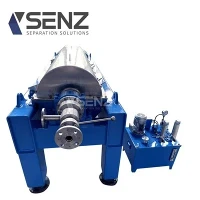
After the olives are crushed into a paste, the next step is the extraction of the oil. There are different types of extraction methods, but one of the most common is the centrifugation method. In this process, the olive paste is fed into a Scroll Discharge Decanter Centrifuge. The centrifuge spins at a high speed, separating the oil from the solid and liquid components of the olive paste.
The Decanter Centrifuge Separator plays a crucial role in this step. It is designed to separate the oil, water, and pomace (the solid residue) based on their different densities. The oil, being the least dense, rises to the top and is collected through a separate outlet. The water and pomace are removed from other outlets.
The speed and duration of the centrifugation process are important factors. The speed should be set according to the type of olives and the desired quality of the oil. A higher speed may result in a faster extraction, but it can also cause the oil to be emulsified with water, reducing its quality. The duration of the centrifugation also needs to be carefully controlled. If it is too short, not all the oil will be extracted. If it is too long, it can lead to oxidation of the oil, which can affect its flavor and shelf - life.
Olive Oil Separation
After the initial centrifugation, the oil may still contain some impurities and water. To obtain pure olive oil, a further separation step is required. This is where the Olive Oil Separator comes in. The olive oil separator is specifically designed to remove any remaining water and impurities from the oil.
The oil is fed into the olive oil separator, which uses a combination of gravity and centrifugal force to separate the water and impurities. The clean oil is then collected in a storage tank. It is important to monitor the separation process to ensure that the oil is of high quality. You can use a laboratory analysis to check the water content and other quality parameters of the oil.
Post - operation Maintenance
Once the extraction process is complete, it is essential to perform post - operation maintenance on the machine. First, turn off the machine and unplug it from the power source. Then, clean the machine again to remove any remaining olive paste, oil, or debris. Pay special attention to the parts that come into contact with the olive paste, such as the crushing chamber and the centrifuge.
Lubricate the moving parts of the machine as recommended by the manufacturer. This helps to reduce friction and wear, and extends the lifespan of the machine. Check the belts and other components for any signs of wear or damage, and replace them if necessary.
Troubleshooting
Even with proper operation and maintenance, problems may still occur. Here are some common issues and their solutions:
- Machine jamming: If the machine jams, stop the machine immediately and unplug it. Remove any olives or debris that may be causing the jam. Check the crushing mechanism and make sure it is not blocked.
- Low oil extraction rate: This could be due to several factors, such as improper crushing, incorrect centrifugation settings, or low - quality olives. Check the crushing settings to ensure that the olives are being crushed to the right particle size. Adjust the centrifugation speed and duration as needed.
- Oil contamination: If the oil is contaminated with water or impurities, check the separation process. Make sure the olive oil separator is working properly. You may need to clean or replace the separator components if necessary.
Conclusion
Operating an olive oil extractor machine requires careful attention to detail and proper maintenance. By following the steps outlined in this guide, you can ensure efficient and high - quality olive oil extraction. As a supplier of olive oil extractor machines, we are committed to providing you with the best equipment and support. If you are interested in purchasing an olive oil extractor machine or have any questions about its operation, please feel free to contact us for further discussions.
References
- "Olive Oil Production: A Comprehensive Guide" - Various industry experts
- Manufacturer's manuals for olive oil extractor machines.