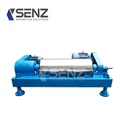

Monitoring and controlling the bearing temperature of a mining decanter centrifuge is crucial for ensuring its efficient and reliable operation. As a supplier of mining decanter centrifuges, I understand the significance of this aspect and have extensive experience in dealing with it. In this blog post, I will share some practical methods and tips on how to effectively monitor and control the bearing temperature of a mining decanter centrifuge.
Importance of Monitoring Bearing Temperature
The bearings in a mining decanter centrifuge play a vital role in supporting the rotating components and ensuring smooth operation. Excessive bearing temperature can lead to a variety of problems, such as premature bearing failure, reduced equipment efficiency, and even safety hazards. Therefore, continuous monitoring of the bearing temperature is essential to detect any abnormal changes early and take appropriate measures to prevent potential damage.
Monitoring Methods
Temperature Sensors
One of the most common and effective ways to monitor the bearing temperature is by using temperature sensors. These sensors can be installed directly on the bearing housing or in close proximity to the bearings to accurately measure the temperature. There are several types of temperature sensors available, including thermocouples, resistance temperature detectors (RTDs), and infrared sensors.
Thermocouples are widely used due to their simplicity, durability, and wide temperature range. They work based on the principle of the Seebeck effect, where a voltage is generated at the junction of two different metals when there is a temperature difference. RTDs, on the other hand, offer higher accuracy and stability, but they are more expensive. Infrared sensors are non-contact sensors that can measure the temperature of the bearing surface without physical contact, which is useful in situations where direct access to the bearings is difficult.


Monitoring Systems
In addition to temperature sensors, a comprehensive monitoring system can be used to collect, analyze, and display the temperature data. These systems can be connected to the temperature sensors and provide real-time monitoring and alarm functions. Some advanced monitoring systems also offer remote access capabilities, allowing operators to monitor the bearing temperature from a central control room or even via a mobile device.
Controlling Bearing Temperature
Lubrication
Proper lubrication is essential for reducing friction and heat generation in the bearings. The type and quality of the lubricant used should be carefully selected based on the operating conditions of the centrifuge, such as the speed, load, and temperature. Regular lubrication maintenance, including oil changes and filter replacements, should be carried out to ensure the lubricant remains clean and effective.
Cooling
In some cases, additional cooling measures may be required to control the bearing temperature. This can include the use of cooling jackets or fans to dissipate heat from the bearing housing. Cooling water can also be circulated through the cooling jackets to provide more efficient cooling. It is important to ensure that the cooling system is properly designed and maintained to avoid any issues such as blockages or leaks.
Alignment
Proper alignment of the centrifuge components is crucial for reducing the stress on the bearings and minimizing heat generation. Misalignment can cause uneven loading on the bearings, leading to increased friction and temperature. Regular alignment checks should be carried out to ensure that the centrifuge is properly aligned and any misalignment issues are corrected promptly.
Troubleshooting High Bearing Temperature
If the bearing temperature exceeds the normal operating range, it is important to take immediate action to identify and resolve the problem. Here are some common causes of high bearing temperature and the corresponding solutions:
Overloading
Overloading the centrifuge can cause excessive stress on the bearings, leading to increased heat generation. Check the operating parameters of the centrifuge, such as the feed rate and solids concentration, and ensure that they are within the recommended range. If necessary, reduce the load on the centrifuge to prevent overloading.
Lubrication Issues
Poor lubrication can also cause high bearing temperature. Check the lubricant level and quality, and ensure that the lubrication system is functioning properly. If the lubricant is contaminated or has degraded, replace it with a fresh batch.
Bearing Wear
Worn or damaged bearings can generate more heat due to increased friction. Inspect the bearings regularly for signs of wear, such as excessive play, noise, or vibration. If any damage is detected, replace the bearings immediately to prevent further damage to the centrifuge.
Cooling System Problems
A malfunctioning cooling system can prevent effective heat dissipation, leading to high bearing temperature. Check the cooling system for any blockages, leaks, or other issues, and ensure that it is operating properly. If necessary, repair or replace any damaged components in the cooling system.
Conclusion
Monitoring and controlling the bearing temperature of a mining decanter centrifuge is essential for ensuring its reliable and efficient operation. By using the appropriate monitoring methods, implementing effective control measures, and troubleshooting any issues promptly, you can minimize the risk of bearing failure and extend the service life of the centrifuge.
As a supplier of Slurry Dewatering Centrifuge, Wastewater Centrifuge, and Municipal Sewage Treatment solutions, we are committed to providing high-quality products and professional technical support to our customers. If you have any questions or need further assistance with monitoring and controlling the bearing temperature of your mining decanter centrifuge, please do not hesitate to contact us for procurement discussions.
References
- [1] "Centrifuge Technology Handbook", John Wiley & Sons, Inc.
- [2] "Bearing Handbook", SKF Group
- [3] "Industrial Lubrication Handbook", CRC Press