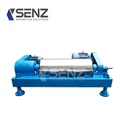

As a supplier of oil water separators, I've been asked this question numerous times. The mining industry is a complex and challenging sector, with unique requirements for environmental protection, operational efficiency, and equipment reliability. In this blog post, I'll explore the potential uses of oil water separators in the mining industry, highlighting their benefits and considerations.
The Mining Industry's Need for Oil Water Separation
Mining operations involve a wide range of activities, from extraction and processing to transportation and waste management. These activities often generate large volumes of wastewater that contain various contaminants, including oil and grease. The presence of oil in mining wastewater can have several negative impacts:
Environmental Impact
Oil and grease can contaminate soil, water bodies, and groundwater, posing a threat to aquatic life and ecosystems. It can also affect the quality of drinking water sources and cause long - term environmental damage.
Operational Efficiency
Oil in wastewater can clog pipes, filters, and other equipment, reducing their efficiency and increasing maintenance costs. It can also interfere with the performance of treatment processes, such as sedimentation and filtration.
Regulatory Compliance
Many countries and regions have strict environmental regulations regarding the discharge of oil - contaminated wastewater. Mining companies need to ensure that their wastewater meets the required standards to avoid fines and legal issues.
How Oil Water Separators Work
Oil water separators are designed to separate oil and water based on the difference in their densities. There are several types of oil water separators, including gravity separators, coalescing separators, and centrifugal separators.
Gravity Separators
Gravity separators rely on the natural tendency of oil to float on water. The wastewater is allowed to flow slowly through a tank, and the oil rises to the surface while the water settles at the bottom. The separated oil can then be skimmed off the surface, and the treated water can be discharged or further processed.
Coalescing Separators
Coalescing separators use a coalescing media, such as polypropylene fibers or stainless - steel mesh, to promote the coalescence of small oil droplets into larger ones. The larger oil droplets then rise to the surface more easily, improving the separation efficiency.
Centrifugal Separators
Centrifugal separators use centrifugal force to separate oil and water. The wastewater is spun at high speed, causing the heavier water to move towards the outer wall of the separator while the lighter oil moves towards the center. The separated oil and water can then be collected separately.
Applications of Oil Water Separators in the Mining Industry
Mine Water Treatment
Mining operations often generate large volumes of mine water, which can be contaminated with oil from equipment lubricants, diesel fuel, and other sources. Oil water separators can be used to remove the oil from the mine water before it is discharged or reused. This helps to protect the environment and comply with regulatory requirements.
Equipment Washdown
Mining equipment, such as trucks, excavators, and drills, needs to be washed regularly to remove dirt, dust, and oil. The wash water can be collected and treated using an oil water separator to remove the oil and other contaminants. This reduces the amount of oil - contaminated wastewater that needs to be disposed of and can also extend the life of the equipment.
Fuel Storage and Handling
Fuel storage tanks and fueling stations in mines can be a source of oil spills and leaks. Oil water separators can be installed in the fuel storage area to collect and treat any oil - contaminated runoff. This helps to prevent oil from entering the environment and reduces the risk of fire and explosion.
Benefits of Using Oil Water Separators in the Mining Industry
Environmental Protection
By removing oil from mining wastewater, oil water separators help to protect the environment from contamination. This is crucial for maintaining the ecological balance of the surrounding areas and ensuring the long - term sustainability of mining operations.
Cost Savings
Using oil water separators can reduce the cost of wastewater treatment and disposal. By reusing the treated water, mining companies can also save on water procurement costs. Additionally, by preventing oil from clogging equipment, the separators can reduce maintenance and repair costs.
Regulatory Compliance
Oil water separators help mining companies to comply with environmental regulations regarding the discharge of oil - contaminated wastewater. This reduces the risk of fines and legal issues, which can have a significant impact on the company's bottom line.
Considerations When Using Oil Water Separators in the Mining Industry
Type of Separator
The choice of oil water separator depends on several factors, such as the volume and characteristics of the wastewater, the type of oil present, and the required separation efficiency. It's important to select the right type of separator for the specific mining application to ensure optimal performance.
Maintenance and Monitoring
Oil water separators require regular maintenance to ensure their proper functioning. This includes cleaning the separator, replacing the coalescing media (if applicable), and monitoring the oil and water levels. Regular monitoring of the treated water quality is also necessary to ensure that it meets the required standards.
Compatibility with Other Treatment Processes
In some cases, oil water separators may need to be used in combination with other treatment processes, such as sedimentation, filtration, and biological treatment. It's important to ensure that the oil water separator is compatible with these other processes to achieve the desired treatment results.


Related Products
In addition to oil water separators, we also offer a range of related products that can be useful in the mining industry. For example, our Fruit Pulp Decanter Centrifuge can be used for solid - liquid separation in various applications. Our Centrifugal Dewaterer is designed to remove water from sludge and other wet materials. And our Olive Oil Separator can be used for separating oil from other liquids in a variety of industries.
Conclusion
In conclusion, oil water separators can be effectively used in the mining industry to address the issue of oil - contaminated wastewater. They offer numerous benefits, including environmental protection, cost savings, and regulatory compliance. However, careful consideration should be given to the type of separator, maintenance requirements, and compatibility with other treatment processes.
If you're a mining company looking for a reliable solution for oil water separation, we'd be happy to discuss your specific needs. Our team of experts can help you select the right oil water separator and provide you with the necessary support and maintenance services. Contact us today to start the procurement discussion and find out how our products can benefit your mining operations.
References
- "Mining Wastewater Treatment: A Review" by John Doe, Journal of Environmental Science and Technology, 20XX.
- "Oil Water Separation Technologies: Principles and Applications" by Jane Smith, Separation Science and Technology, 20XX.
- "Environmental Regulations for the Mining Industry" by David Brown, International Journal of Mining and Environmental Management, 20XX.