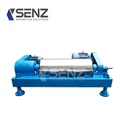

As a supplier of Decanter Machines, one of the most frequently asked questions I encounter from our customers is, "How often should the spare parts of a Decanter Machine be replaced?" This is a crucial question as the timely replacement of spare parts can significantly impact the performance, efficiency, and lifespan of the Decanter Machine. In this blog, I will delve into the factors that influence the replacement frequency of Decanter Machine spare parts and provide some general guidelines to help you make informed decisions.
Understanding the Decanter Machine and Its Spare Parts
Before discussing the replacement frequency, it's essential to understand what a Decanter Machine is and the key spare parts it comprises. A Decanter Machine, also known as a decanter centrifuge, is a high - speed rotating device used for separating solids from liquids or different liquid phases in various industries such as chemical, food, and wastewater treatment.
Some of the critical spare parts of a Decanter Machine include the conveyor, scroll, bearings, seals, and belts. Each of these parts plays a vital role in the proper functioning of the machine, and their wear and tear can affect the overall performance.
Factors Influencing the Replacement Frequency
1. Operating Conditions
The operating conditions of the Decanter Machine are one of the primary factors that determine how often spare parts need to be replaced. If the machine is operating in a harsh environment with high levels of dust, moisture, or corrosive substances, the spare parts will experience more rapid wear and tear. For example, in a wastewater treatment plant where the Decanter Machine is used for Water Treatment Sludge Dewatering, the sludge may contain abrasive particles that can damage the conveyor and scroll over time.
2. Usage Intensity
The frequency and duration of the machine's operation also have a significant impact on the replacement frequency of spare parts. A Decanter Machine that runs continuously for long hours every day will naturally experience more wear on its components compared to one that is used intermittently. For instance, in a large - scale food processing plant where the machine is in operation 24/7 for Tea Extraction Decanter Centrifuge processes, the bearings and belts may need to be replaced more frequently.
3. Quality of Spare Parts
The quality of the spare parts used in the Decanter Machine is another crucial factor. High - quality spare parts are generally more durable and can withstand more wear and tear compared to low - quality ones. When purchasing spare parts, it's important to choose those from reputable manufacturers to ensure longer service life.
4. Maintenance Practices
Proper maintenance is key to extending the lifespan of the Decanter Machine's spare parts. Regular cleaning, lubrication, and inspection can help detect early signs of wear and prevent major breakdowns. For example, if the seals are not properly lubricated, they may dry out and fail prematurely. A well - maintained machine will require less frequent replacement of spare parts.
General Guidelines for Spare Part Replacement
1. Conveyor and Scroll
The conveyor and scroll are two of the most critical parts of the Decanter Machine. In normal operating conditions, the conveyor blades may need to be replaced every 1 - 2 years, depending on the usage intensity. The scroll, which is responsible for moving the separated solids, may also require replacement every 1 - 2 years. However, if the machine is operating in a harsh environment or processing highly abrasive materials, these parts may need to be replaced more frequently, perhaps every 6 - 12 months.
2. Bearings
Bearings are essential for the smooth rotation of the Decanter Machine. They should be inspected regularly, and in general, they may need to be replaced every 2 - 3 years. However, if the machine is subjected to heavy loads or operates at high speeds, the bearings may wear out faster and require replacement every 1 - 2 years.
3. Seals
Seals are used to prevent leakage of the processed materials. They are prone to wear and tear due to friction and exposure to chemicals. Under normal conditions, seals may need to be replaced every 6 - 12 months. However, if the machine is processing corrosive substances, the replacement frequency may increase to every 3 - 6 months.


4. Belts
Belts are used to transfer power within the Decanter Machine. Their replacement frequency depends on the tension, alignment, and usage. In general, belts may need to be replaced every 1 - 2 years. However, if the belts are misaligned or under excessive tension, they may wear out more quickly and require replacement every 6 - 12 months.
Importance of Timely Spare Part Replacement
Timely replacement of spare parts is crucial for several reasons. Firstly, it ensures the optimal performance of the Decanter Machine. Worn - out parts can lead to reduced separation efficiency, increased energy consumption, and even machine breakdowns. Secondly, it helps to prevent costly repairs. By replacing spare parts before they fail completely, you can avoid major damage to the machine and the associated repair costs. Finally, it extends the lifespan of the Decanter Machine, providing a better return on investment.
Monitoring and Inspection
To determine the exact replacement time of spare parts, regular monitoring and inspection are necessary. Many modern Decanter Machines are equipped with sensors that can monitor the condition of various components, such as vibration sensors for bearings and temperature sensors for motors. In addition, visual inspections should be carried out regularly to check for signs of wear, such as cracks, corrosion, or excessive wear on the surfaces of the spare parts.
Conclusion
In conclusion, the replacement frequency of the spare parts of a Decanter Machine depends on a variety of factors, including operating conditions, usage intensity, quality of spare parts, and maintenance practices. By understanding these factors and following the general guidelines provided, you can ensure the proper maintenance and long - term performance of your Decanter Machine.
If you are in need of Decanter Machine spare parts or have any questions regarding the maintenance and replacement of these parts, we are here to help. Our team of experts can provide you with professional advice and high - quality spare parts to meet your specific needs. Whether you are using our machines for Tea Extraction Decanter Centrifuge, Sludge Dewatering Conveyor, or other applications, we are committed to providing you with the best solutions. Contact us today to start a procurement discussion and ensure the smooth operation of your Decanter Machine.
References
- "Centrifuge Technology Handbook", Publisher: ABC Press, Year: 20XX
- "Maintenance Guide for Industrial Separation Equipment", Author: John Doe, Year: 20XX