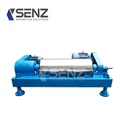

Hey there! As a supplier of soymilk decanter centrifuges, I know firsthand how crucial it is to transport these machines safely. A soymilk decanter centrifuge is a pretty high - tech piece of equipment, and any damage during transit can lead to big headaches for both you and your business. So, let's dive into how you can make sure your soymilk decanter centrifuge gets to its destination in one piece.
Pre - transport Preparation
First things first, you've got to do a thorough inspection of the centrifuge. Check for any loose parts, damages, or signs of wear and tear. Tighten all the bolts and screws, and make sure all the electrical connections are secure. This not only helps in preventing any parts from getting lost during transport but also ensures that the machine is in the best possible condition before it hits the road.
Next up is cleaning. You don't want any leftover soymilk or debris in the centrifuge during transport. Clean it inside and out, following the manufacturer's guidelines. This not only keeps the machine in good shape but also prevents any mold or bacteria growth during the journey.
Documentation is super important. Gather all the necessary manuals, certificates, and warranty information. Make copies and keep one set with the centrifuge and another for your records. This way, if there are any issues during transport or when the machine arrives at its destination, you've got all the info you need at hand.
Packaging
Proper packaging is the key to safe transport. You need to use high - quality packaging materials. Start with a sturdy wooden crate. Make sure it's big enough to fit the centrifuge with some extra space for padding.
For padding, use materials like foam or bubble wrap. Wrap the centrifuge carefully, paying special attention to the delicate parts such as the motor and the control panel. You can also use shock - absorbing materials at the bottom of the crate to protect the machine from any bumps during transit.
If the centrifuge has any removable parts, like the feed pipes or the control cables, remove them and pack them separately. Label each part clearly so that it's easy to reassemble later.


Choosing the Right Transport Method
There are a few different ways to transport a soymilk decanter centrifuge:
Road Transport
This is a common option, especially for local or regional deliveries. When choosing a road transport company, make sure they have experience in transporting heavy and delicate equipment. Check their reviews and ask for references.
The truck used for transport should be well - maintained. It should have a flatbed or a trailer with proper tie - down points. Secure the crate with straps to prevent it from moving around during the journey. Also, ensure that the truck has a cover to protect the centrifuge from the elements.
Sea Transport
If you're shipping the centrifuge overseas, sea transport might be your best bet. However, this requires some extra precautions. Choose a reliable shipping line with a good track record.
The centrifuge should be loaded into a shipping container. Make sure the container is clean and dry before loading. Secure the crate inside the container using dunnage and straps. You may also want to consider using a humidity - controlling device inside the container to prevent any moisture damage.
Air Transport
Air transport is the fastest option, but it can be quite expensive. It's suitable for urgent deliveries or when you need to transport the centrifuge over long distances quickly.
When using air transport, make sure the packaging is in line with the airline's regulations. The crate should be lightweight but still strong enough to protect the centrifuge. The airline will also have specific requirements for labeling and handling.
During Transport
Keep an eye on the centrifuge during transport. If possible, use a tracking system to monitor its location and condition. Some modern tracking devices can even detect vibrations and shocks, which can give you an early warning if there's a problem.
If you're using a third - party transport company, communicate with them regularly. Ask for updates on the delivery status and any potential delays. Make sure they know how to handle the centrifuge properly and follow all the safety guidelines.
Unloading and Installation
Once the centrifuge arrives at its destination, unloading should be done carefully. Use proper lifting equipment, such as a forklift or a crane, and make sure the operators are trained.
After unloading, inspect the centrifuge again for any damage that may have occurred during transport. If you find any issues, document them immediately and contact the transport company and your supplier.
Installation should be carried out by trained professionals. Follow the manufacturer's instructions carefully to ensure that the centrifuge is installed correctly and safely.
Additional Considerations
Soymilk decanter centrifuges can also be used for other applications such as Waste Dewatering, Paper Pulp Wastewater Treatment, and Centrifuge Machine For Sludge Dewatering. When transporting the centrifuge for these specific applications, you may need to take additional precautions based on the unique requirements of each use case.
Conclusion
Transporting a soymilk decanter centrifuge safely is a multi - step process that requires careful planning and attention to detail. From pre - transport preparation to unloading and installation, every step plays a crucial role in ensuring that the machine arrives at its destination in perfect condition.
If you're in the market for a soymilk decanter centrifuge or need more information on safe transport, don't hesitate to reach out. We're here to help you make the best decisions for your business. Whether you're a small soymilk producer or a large industrial operation, we've got the right centrifuge for you. Contact us today to start the conversation and explore how we can meet your needs.
References
- Manufacturer's manuals for soymilk decanter centrifuges
- Industry best practices for transporting heavy and delicate equipment
- Guidelines from transport companies and shipping lines