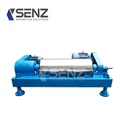

Are there any regulations regarding oil water separators? This is a question that often comes up in the industries where oil water separators are widely used. As a supplier of oil water separators, I have encountered numerous inquiries from customers about the regulatory environment surrounding these essential pieces of equipment. In this blog, I will delve into the regulations related to oil water separators, exploring their importance, the types of regulations, and how they impact our business and customers.
The Importance of Regulations for Oil Water Separators
Oil water separators play a crucial role in various industries, including manufacturing, automotive, food and beverage, and wastewater treatment. Their primary function is to separate oil and other hydrocarbons from water, preventing these pollutants from being discharged into the environment. This separation process is not only important for environmental protection but also for compliance with local, national, and international regulations.
Environmental protection is at the forefront of the need for regulations. Oil and other hydrocarbons can have a devastating impact on water bodies, harming aquatic life, contaminating drinking water sources, and damaging ecosystems. By ensuring that oil water separators are properly designed, installed, and maintained, regulations help to minimize the release of these pollutants into the environment, protecting our natural resources for future generations.


In addition to environmental protection, regulations also serve to protect public health. Contaminated water can carry a variety of harmful substances, including heavy metals, pathogens, and toxic chemicals. By preventing the discharge of oil and other pollutants into water sources, oil water separators help to ensure that the water we drink and use is safe and clean.
Types of Regulations
There are several types of regulations that govern the use of oil water separators. These regulations can be broadly categorized into environmental regulations, safety regulations, and industry-specific regulations.
Environmental Regulations
Environmental regulations are designed to protect the environment by limiting the amount of pollutants that can be discharged into water bodies. These regulations typically set standards for the maximum allowable concentration of oil and other contaminants in wastewater discharges. In many countries, these standards are enforced by government agencies, such as the Environmental Protection Agency (EPA) in the United States or the Environment Agency in the United Kingdom.
For example, the EPA's National Pollutant Discharge Elimination System (NPDES) program requires industrial facilities to obtain permits for their wastewater discharges. These permits specify the allowable levels of pollutants, including oil and grease, that can be discharged into water bodies. Facilities that fail to comply with these standards may be subject to fines, penalties, and other enforcement actions.
Safety Regulations
Safety regulations are designed to protect workers and the public from the hazards associated with the use of oil water separators. These regulations typically cover issues such as equipment design, installation, operation, and maintenance. They may also include requirements for training, safety procedures, and emergency response plans.
For example, in the United States, the Occupational Safety and Health Administration (OSHA) has established safety standards for the operation of industrial equipment, including oil water separators. These standards cover issues such as electrical safety, mechanical safety, and fire prevention. Employers are required to ensure that their workers are trained to operate the equipment safely and that appropriate safety measures are in place to prevent accidents and injuries.
Industry-Specific Regulations
In addition to environmental and safety regulations, there may also be industry-specific regulations that apply to the use of oil water separators. These regulations are often developed by industry associations or regulatory bodies to address the unique needs and challenges of specific industries.
For example, the food and beverage industry has strict regulations regarding the use of oil water separators to prevent the contamination of food products. These regulations may require the use of specific types of separators, such as Beer Yeast Centrifuge Separator, Tapioca Extraction Centrifuge, or Fruit Pulp Decanter Centrifuge, to ensure that the separation process is effective and does not introduce any contaminants into the food products.
Impact on Our Business and Customers
As a supplier of oil water separators, regulations have a significant impact on our business and our customers. On the one hand, regulations create a demand for our products by requiring industries to use oil water separators to comply with environmental and safety standards. This has led to an increase in the market for oil water separators, providing us with opportunities for growth and expansion.
On the other hand, regulations also impose certain requirements on our products and services. We are required to ensure that our oil water separators are designed and manufactured to meet the relevant regulatory standards. This may involve conducting extensive testing and certification processes to demonstrate that our products comply with the applicable regulations.
In addition, regulations also require us to provide our customers with technical support and training to ensure that they are able to operate and maintain their oil water separators properly. This includes providing installation instructions, maintenance schedules, and troubleshooting guides. We also offer training programs for our customers' employees to ensure that they are familiar with the safe and effective operation of the equipment.
For our customers, regulations can also have a significant impact on their operations. They are required to invest in oil water separators to comply with the regulatory requirements, which can be a significant capital expenditure. In addition, they are also responsible for ensuring that the equipment is properly installed, operated, and maintained to meet the regulatory standards. This may require them to hire additional staff or outsource the maintenance and operation of the equipment to a third-party service provider.
Conclusion
In conclusion, regulations play a crucial role in the use of oil water separators. They help to protect the environment, public health, and safety by ensuring that these devices are properly designed, installed, and maintained. As a supplier of oil water separators, we are committed to complying with all relevant regulations and providing our customers with high-quality products and services that meet their needs.
If you are in the market for an oil water separator or have any questions about the regulatory requirements, please do not hesitate to contact us. Our team of experts is available to provide you with the information and support you need to make an informed decision. We look forward to working with you to find the best solution for your oil water separation needs.
References
- Environmental Protection Agency (EPA). National Pollutant Discharge Elimination System (NPDES) Program.
- Occupational Safety and Health Administration (OSHA). Safety Standards for Industrial Equipment.
- Industry-specific regulatory bodies and associations.