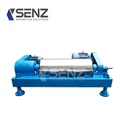

A refrigerated laboratory centrifuge is an essential piece of equipment in many scientific research and medical testing laboratories. It combines the functions of a centrifuge, which separates substances based on their density through high - speed rotation, with a refrigeration system to maintain a stable low - temperature environment. This is crucial for samples that are sensitive to temperature, such as biological specimens, enzymes, and some chemical compounds. In this blog, we will explore the temperature control range of a refrigerated laboratory centrifuge and its significance.
Understanding the Temperature Control Range
The temperature control range of a refrigerated laboratory centrifuge typically varies depending on the model and the manufacturer. Generally, the lower limit can reach as low as - 20°C, while the upper limit is usually around 40°C. However, most common models have a working temperature range from 0°C to 4°C or 0°C to 20°C.
The ability to maintain a low temperature is of utmost importance. When dealing with biological samples, for example, high temperatures can cause proteins to denature, enzymes to lose their activity, and cells to die. By keeping the temperature within a specific range, the integrity and functionality of these samples can be preserved, ensuring accurate experimental results.
On the other hand, the upper limit of the temperature control range is also carefully set. Some experiments may require a slightly elevated temperature to promote certain biochemical reactions. But excessive heat can still damage the samples. Therefore, a well - designed refrigerated centrifuge should be able to precisely control the temperature within the specified range.
Factors Affecting the Temperature Control Range
Several factors can influence the temperature control range of a refrigerated laboratory centrifuge.
Refrigeration System Capacity
The capacity of the refrigeration system is a key factor. A more powerful refrigeration system can achieve lower temperatures and maintain them more stably. High - end models often come with advanced compressors and cooling coils that can quickly cool down the centrifuge chamber and counteract the heat generated by the high - speed rotation of the rotor.
Rotor Design and Speed
The design and speed of the rotor also play a role. A larger rotor or a rotor rotating at a higher speed generates more heat. This heat needs to be dissipated effectively by the refrigeration system. If the rotor is not well - designed or the speed is too high, it may be difficult for the centrifuge to maintain the desired low temperature.
Ambient Temperature
The ambient temperature of the laboratory environment affects the centrifuge's temperature control. In a hot laboratory, the refrigeration system has to work harder to achieve and maintain the set temperature. Some centrifuges are equipped with sensors that can adjust the cooling power according to the ambient temperature to ensure consistent performance.
Applications and the Ideal Temperature Range
Different applications require different temperature ranges.


Biological and Medical Research
In biological and medical research, samples such as blood, tissue, and cell cultures are often used. For storing and processing these samples, a temperature range of 0°C to 4°C is commonly preferred. This temperature range slows down the metabolic processes of cells and reduces the risk of microbial growth, while still keeping the samples viable.
Enzyme Kinetics Studies
Enzyme kinetics studies often need to control the temperature precisely. Some enzymes are most active at a specific temperature, which could be within the range of 20°C to 30°C. A refrigerated centrifuge with a wide temperature control range can meet the requirements of such experiments, allowing researchers to study the enzyme activity under different temperature conditions.
Chemical Analysis
In chemical analysis, especially for some heat - sensitive chemical compounds, a low - temperature environment is necessary to prevent decomposition or unwanted reactions. A temperature range from - 10°C to 10°C may be ideal for these applications.
Our Laboratory Centrifuge Offerings
As a leading Laboratory Centrifuge supplier, we offer a wide range of refrigerated laboratory centrifuges with excellent temperature control capabilities. Our centrifuges are designed to meet the diverse needs of different laboratories.
We have models with a temperature control range from - 20°C to 40°C, which can cover almost all common laboratory applications. Our advanced refrigeration systems ensure rapid cooling and stable temperature maintenance, even under high - speed rotation.
In addition to the standard models, we also provide customized solutions. If you have specific requirements for the temperature control range or other features, our experienced R & D team can work with you to develop a centrifuge that meets your exact needs.
Related Products
We also offer a variety of centrifuges with other functions. For example, if you are in the oilfield industry, our Oilfield Drilling Equipment can help you separate solid particles from drilling fluids efficiently. For those in the oil processing industry, our Sunflower Seed Oil Decanter Centrifuge is designed to separate oil from sunflower seeds effectively. And our Waste Oil Processing Centrifuge can be used to recycle waste oil by removing impurities.
Contact Us for Procurement
If you are interested in our refrigerated laboratory centrifuges or other related products, we encourage you to contact us for procurement discussions. Our professional sales team is ready to provide you with detailed product information, quotations, and after - sales service. We are committed to helping you find the most suitable centrifuge solutions for your laboratory needs.
References
- Wilson, K., & Walker, J. (Eds.). (2005). Principles and Techniques of Practical Biochemistry and Molecular Biology. Cambridge University Press.
- Sambrook, J., & Russell, D. W. (2001). Molecular Cloning: A Laboratory Manual. Cold Spring Harbor Laboratory Press.
- Harris, D. C. (2010). Quantitative Chemical Analysis. W. H. Freeman and Company.