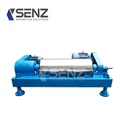

Hey there! As a supplier of Coal Tar Decanter Centrifuges, I'm super stoked to share with you the ins and outs of the start-up and shut-down procedures of these bad boys. These centrifuges are crucial in the coal tar processing industry, helping to separate different components efficiently. So, let's dive right in!
Start-up Procedure
Pre-start Checks
Before firing up the coal tar decanter centrifuge, there are a bunch of checks we need to do. First off, we gotta look at the physical condition of the centrifuge. Check for any visible damage to the casing, pipes, or electrical connections. A damaged part can lead to all sorts of problems down the line, like leaks or electrical malfunctions.
Next, we need to make sure the lubrication system is in tip-top shape. The bearings and other moving parts rely on proper lubrication to run smoothly. Check the oil levels in the lubrication reservoirs and make sure the oil is clean. If the oil looks dirty or has a strange smell, it's time for a change.
We also need to inspect the feed and discharge pipes. Make sure they're properly connected and there are no blockages. A blocked pipe can cause the centrifuge to work harder than it should, leading to premature wear and tear.
Electrical System Checks
The electrical system is the heart of the centrifuge, so it's important to give it a good once-over. Check the power supply to make sure it's stable and within the recommended voltage range. Fluctuations in voltage can damage the electrical components of the centrifuge.
Inspect the control panel for any error messages or warning lights. If there are any, we need to troubleshoot and fix the issue before starting the centrifuge. Make sure all the switches and buttons on the control panel are in the correct position.
Initializing the Centrifuge
Once all the pre-start checks are done, it's time to initialize the centrifuge. Start by turning on the power switch on the control panel. The centrifuge will start to perform some self-diagnostic tests. This is a good time to listen for any strange noises or vibrations. If we hear anything out of the ordinary, we need to shut down the centrifuge immediately and investigate the cause.
After the self-diagnostic tests are complete, we can set the operating parameters on the control panel. These parameters include the speed of the centrifuge, the feed rate of the coal tar, and the temperature. Make sure to set these parameters according to the specifications of the coal tar being processed.
Starting the Feed
Once the centrifuge is up and running at the correct speed, we can start the feed of the coal tar. Slowly open the feed valve to allow the coal tar to enter the centrifuge. It's important to start the feed slowly to avoid overloading the centrifuge. As the coal tar enters the centrifuge, the separation process will begin.


Monitor the operation of the centrifuge closely during the start-up phase. Check the discharge pipes to make sure the separated components are flowing out smoothly. If we notice any issues, like a blockage or a change in the quality of the separated components, we need to take action immediately.
Shut-down Procedure
Stopping the Feed
When it's time to shut down the centrifuge, the first step is to stop the feed of the coal tar. Close the feed valve slowly to prevent any sudden changes in pressure inside the centrifuge. This will help to avoid any damage to the centrifuge components.
Flushing the Centrifuge
After stopping the feed, we need to flush the centrifuge to remove any remaining coal tar. Use a suitable cleaning solution to flush the feed and discharge pipes, as well as the interior of the centrifuge. This will prevent the coal tar from solidifying inside the centrifuge and causing blockages.
Reducing the Speed
Once the centrifuge is flushed, we can start to reduce the speed of the centrifuge. Slowly decrease the speed on the control panel until the centrifuge comes to a complete stop. It's important to do this slowly to avoid any sudden vibrations or shocks to the centrifuge.
Powering Off
After the centrifuge has stopped spinning, we can turn off the power switch on the control panel. This will cut off the power supply to the centrifuge and prevent any electrical hazards.
Post-shut-down Checks
Once the centrifuge is powered off, we need to do some post-shut-down checks. Inspect the centrifuge for any signs of wear or damage. Check the lubrication system again to make sure there are no leaks. Clean the exterior of the centrifuge to keep it in good condition.
Importance of Proper Start-up and Shut-down Procedures
Following the proper start-up and shut-down procedures is crucial for the safe and efficient operation of the coal tar decanter centrifuge. Improper start-up can lead to damage to the centrifuge components, which can be expensive to repair. It can also result in poor separation efficiency, which means we won't get the desired quality of the separated components.
On the other hand, improper shut-down can cause blockages in the centrifuge, which can lead to downtime and lost production. It can also increase the risk of corrosion and other forms of damage to the centrifuge.
Related Applications
Coal tar decanter centrifuges have a wide range of applications. For example, they can be used in Wastewater Treatment Sludge Dewatering. In this process, the centrifuge helps to separate the water from the sludge, making it easier to dispose of the sludge.
They are also used in Clarifying Decanter Centrifuge applications. Here, the centrifuge helps to remove solid particles from a liquid, making the liquid clearer.
Another application is Sludge Decanter Centrifuge processes. In this case, the centrifuge is used to separate the sludge from the liquid, reducing the volume of the sludge and making it easier to handle.
Conclusion
Well, that's all about the start-up and shut-down procedures of a coal tar decanter centrifuge. As a supplier, I can tell you that these procedures are really important for getting the most out of your centrifuge. If you're in the market for a coal tar decanter centrifuge or have any questions about the start-up and shut-down procedures, don't hesitate to reach out. We're here to help you make the right choice and ensure that your centrifuge operates smoothly.
References
- "Centrifuge Handbook" - A comprehensive guide on centrifuge operation and maintenance.
- Industry standards and guidelines for coal tar processing and centrifuge operation.