What is the noise level of sludge dewatering equipment?
As a supplier of Sludge Dewatering Equipment, I often receive inquiries from customers about various aspects of our products, and one question that comes up quite frequently is about the noise level of sludge dewatering equipment. Understanding the noise level is crucial for customers, as it can impact the working environment, compliance with local regulations, and overall user experience. In this blog post, I will delve into the factors affecting the noise level of sludge dewatering equipment, typical noise levels, and how we address noise - related concerns.
Factors Affecting the Noise Level of Sludge Dewatering Equipment
-
Mechanical Components
The mechanical parts of sludge dewatering equipment play a significant role in generating noise. For example, in centrifugal sludge dewatering machines, the high - speed rotation of the centrifuge bowl and the motor can produce substantial noise. The bearings, gears, and belts also contribute to the overall noise level. If these components are not properly maintained or are of low quality, they can generate more noise due to increased friction, vibration, or misalignment. -
Vibration
Vibration is another major factor. When the equipment is in operation, the unbalanced forces within the machine can cause it to vibrate. This vibration is transferred to the surrounding structure and can result in loud noise. For instance, a plate - and - frame filter press may vibrate during the pressing and de - pressing cycles. The intensity of vibration depends on the design of the equipment, the speed of operation, and the nature of the sludge being processed. -
Airflow and Hydraulic Systems
Some sludge dewatering equipment uses airflow or hydraulic systems. In the case of pneumatic systems, the movement of air through pipes and valves can create noise. Similarly, hydraulic pumps and valves can generate noise as they control the flow of hydraulic fluid. The sudden opening and closing of valves in these systems can cause pressure fluctuations, leading to audible noise. -
Sludge Characteristics
The properties of the sludge being dewatered also influence the noise level. If the sludge has a high solid content or contains abrasive particles, it can cause more wear and tear on the equipment components. This can increase the noise level as the equipment has to work harder to process the sludge. Additionally, the consistency of the sludge can affect the smooth operation of the equipment, leading to changes in vibration and noise.

Typical Noise Levels of Different Sludge Dewatering Equipment
- Centrifugal Sludge Dewatering Machines
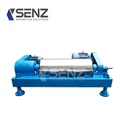
Centrifuges are known for their relatively high - speed operation. The noise level of a centrifuge can range from 70 to 90 decibels (dB) depending on its size, speed, and design. Small - scale centrifuges used in laboratory or small - industrial settings may produce noise levels towards the lower end of this range. In contrast, large - scale industrial centrifuges can reach up to 90 dB, which is comparable to the noise level of a lawnmower. - Plate - and - Frame Filter Presses
Plate - and - frame filter presses typically have noise levels in the range of 60 to 80 dB. During the pressing and de - pressing cycles, the noise level may be higher due to the mechanical forces involved. However, modern filter presses are designed with features to reduce vibration and noise, such as shock - absorbing pads and sound - insulating materials. - Belt Filter Presses
Belt filter presses usually produce noise levels between 65 and 85 dB. The noise is mainly generated by the movement of the belts, the rollers, and the drive system. As with other types of equipment, the noise level can vary depending on the size and operating conditions of the belt filter press.
How We Address Noise - Related Concerns
As a supplier, we understand the importance of providing equipment with acceptable noise levels. We take several measures to reduce the noise generated by our Sludge Dewatering Equipment.
- Design Optimization
Our engineering team focuses on optimizing the design of the equipment to minimize noise. This includes using balanced rotating components to reduce vibration, improving the alignment of mechanical parts, and designing efficient airflow and hydraulic systems. For example, we use advanced computer - aided design (CAD) software to simulate the operation of the equipment and identify potential sources of noise. - Quality Components
We source high - quality components for our equipment. This ensures that the bearings, gears, motors, and other parts operate smoothly and generate less noise. By using components with low friction and high durability, we can reduce the noise level over the long - term operation of the equipment. - Sound - Insulating Materials
We incorporate sound - insulating materials in the construction of our equipment. These materials can absorb and dampen the noise generated by the machine. For example, we may use acoustic panels on the exterior of the equipment or line the inside of the machine housing with sound - absorbing foam. - Maintenance and Support
Regular maintenance is essential to keep the noise level of the equipment in check. We provide comprehensive Centrifuge Maintenance services and offer guidance on the proper operation of the equipment. Our technicians can perform tasks such as lubrication, alignment checks, and component replacement to ensure that the equipment operates quietly.
Importance of Noise Reduction in Sludge Dewatering Equipment
- Worker Safety and Comfort
High noise levels in the workplace can pose a risk to the health of workers. Prolonged exposure to noise above 85 dB can cause hearing loss, stress, and other health problems. By reducing the noise level of our sludge dewatering equipment, we create a safer and more comfortable working environment for our customers' employees. - Compliance with Regulations
Many countries and regions have regulations regarding noise emissions in industrial settings. By providing equipment with lower noise levels, we help our customers comply with these regulations. This can prevent potential fines and legal issues for our customers. - Neighborhood and Community Relations
If the sludge dewatering equipment is located near residential areas or other noise - sensitive locations, high noise levels can cause complaints from the surrounding community. By reducing the noise, we help our customers maintain good relations with their neighbors and avoid any negative impact on their business operations.
Additional Considerations for Noise Reduction
In addition to the measures mentioned above, we also offer optional features to further reduce the noise level of our equipment. For example, we can provide a Flocculant Auto Dosing System that is designed to operate quietly. This system can be integrated with the sludge dewatering equipment to improve the dewatering efficiency while minimizing noise.
We also encourage our customers to install the equipment in a well - designed and sound - insulated environment. This can include using sound - proof enclosures or placing the equipment in a separate room with proper ventilation. By combining these external measures with the noise - reduction features of our equipment, customers can achieve even lower noise levels.
Contact Us for Your Sludge Dewatering Needs
If you are in the market for sludge dewatering equipment and are concerned about the noise level, we are here to help. Our team of experts can provide detailed information about the noise characteristics of our products and offer customized solutions to meet your specific requirements. Whether you need a small - scale system for a laboratory or a large - scale industrial setup, we have the right equipment for you. Please feel free to contact us to discuss your needs and start a procurement negotiation. We look forward to working with you to find the best sludge dewatering solution.
References
- "Handbook of Sludge Management" - a comprehensive guide on sludge treatment and management, which includes information on the operation and characteristics of different sludge dewatering equipment.
- "Industrial Noise Control and Acoustics" - this book provides in - depth knowledge about the principles of noise reduction in industrial settings, which is relevant to understanding and addressing the noise issues of sludge dewatering equipment.
- Technical reports from leading manufacturers of sludge dewatering equipment, which offer insights into the design and performance of their products in terms of noise levels.