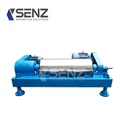

What is the maximum pressure that a Gluten Wheat Flour Separator can withstand?
As a trusted supplier of Gluten Wheat Flour Separators, I often encounter inquiries regarding the maximum pressure these machines can endure. Understanding this crucial parameter is essential for ensuring the efficient and safe operation of the equipment in various industrial settings. In this blog post, I will delve into the factors influencing the maximum pressure capacity of a Gluten Wheat Flour Separator and provide insights to help you make informed decisions for your business.
Factors Affecting the Maximum Pressure Capacity
The maximum pressure that a Gluten Wheat Flour Separator can withstand is determined by several key factors, each playing a significant role in the overall performance and durability of the machine.
-
Material and Construction
The choice of materials used in the construction of the separator is paramount. High - quality stainless steel is commonly employed due to its excellent strength, corrosion resistance, and durability. The thickness of the steel plates and the quality of the welding joints also contribute to the machine's ability to withstand pressure. A well - constructed separator with thick, high - grade steel components can generally tolerate higher pressures compared to those made with inferior materials. -
Design and Engineering
The design of the Gluten Wheat Flour Separator is another critical factor. Engineers carefully calculate the stress distribution within the machine to ensure that it can handle the expected pressures. Features such as reinforced frames, proper bracing, and optimized flow paths can enhance the separator's pressure - handling capabilities. Additionally, the design should minimize stress concentrations, which can lead to premature failure under high pressure. -
Sealing Mechanisms
Effective sealing is essential to prevent leaks and maintain the integrity of the pressure within the separator. High - quality seals made from materials such as rubber or silicone are used to create a tight barrier between different parts of the machine. The sealing design must be able to withstand the pressure differential without deforming or failing. Any leakage can not only reduce the efficiency of the separation process but also pose a safety hazard. -
Operating Conditions
The operating conditions under which the Gluten Wheat Flour Separator is used also impact its maximum pressure capacity. Factors such as temperature, humidity, and the nature of the processed materials can affect the performance of the machine. For example, high temperatures can cause the materials to expand, increasing the internal pressure. Similarly, abrasive materials can wear down the components over time, reducing their ability to withstand pressure.
Determining the Maximum Pressure
To determine the maximum pressure that a specific Gluten Wheat Flour Separator can withstand, it is necessary to refer to the manufacturer's specifications. These specifications are based on rigorous testing and engineering calculations. The manufacturer will provide a rated pressure value, which indicates the maximum pressure at which the machine can operate safely and efficiently.
It is important to note that operating the separator at or near its maximum pressure for extended periods can accelerate wear and tear and increase the risk of mechanical failure. Therefore, it is advisable to operate the machine at a pressure well below the rated maximum to ensure its longevity and reliability.
Importance of Understanding the Maximum Pressure
Understanding the maximum pressure capacity of a Gluten Wheat Flour Separator is crucial for several reasons.
-
Safety
Operating the separator beyond its maximum pressure capacity can lead to catastrophic failure, resulting in serious injuries to personnel and damage to the equipment. By adhering to the recommended pressure limits, you can ensure a safe working environment for your employees. -
Efficiency
Operating the separator at the optimal pressure ensures that it functions efficiently. If the pressure is too low, the separation process may be incomplete, leading to lower quality products. On the other hand, if the pressure is too high, it can cause excessive wear on the components and increase energy consumption. -
Maintenance
Knowing the maximum pressure helps in proper maintenance planning. Regular inspections and maintenance can be scheduled based on the expected pressure levels to prevent unexpected breakdowns. This proactive approach can save time and money in the long run.
Related Products
In addition to Gluten Wheat Flour Separators, we also offer a range of related products that can complement your industrial processes. For example, our Fish Oil Decanter Centrifuge is designed for efficient separation of fish oil from other components. It is built with high - quality materials and advanced engineering to ensure reliable performance.


Our Centrifugal Dewaterer is another useful product that can be used to remove water from various substances, improving the quality and handling of the final product. It is suitable for a wide range of industries, including food processing and wastewater treatment.
For those in the oil field industry, our Oil Field Centrifuge is a reliable solution for separating solids from drilling fluids. It is designed to withstand the harsh conditions of oil field operations and provide efficient separation.
Contact for Procurement
If you are interested in purchasing a Gluten Wheat Flour Separator or any of our other products, we encourage you to contact us for a detailed discussion. Our team of experts can provide you with more information about the products, their specifications, and how they can meet your specific requirements. We are committed to providing high - quality equipment and excellent customer service to help you achieve your business goals.
References
- "Industrial Separation Technology" by Perry's Chemical Engineers' Handbook
- "Centrifugal Separation in the Food Industry" by John Wiley & Sons