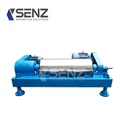

Hey there! As a supplier of sludge dewatering equipment, I totally get the importance of keeping operators safe when using our gear. Sludge dewatering can be a tricky process, and safety should always be our top priority. So, let's dive into how we can ensure the safety of operators when using sludge dewatering equipment.
Pre - operation Checks
Before we even start up the sludge dewatering equipment, there are a bunch of checks we need to do. First off, we've got to inspect the equipment thoroughly. Check for any visible signs of damage, like cracks in the casing or loose parts. A small crack might seem insignificant, but it could lead to major problems down the line.
We also need to make sure all the safety guards are in place. These guards are there for a reason – they protect operators from moving parts that could cause serious injuries. For example, the rotating parts of a Centrifuge Maintenance system can be extremely dangerous if you get too close.
Another crucial pre - operation check is to verify the electrical connections. Faulty electrical connections can cause short - circuits, electric shocks, or even fires. Make sure all the wires are properly insulated and there are no signs of fraying or exposed conductors.
Operator Training
You know what they say, knowledge is power. And when it comes to operating sludge dewatering equipment safely, proper training is essential. Operators should be trained on how to use the equipment correctly, from starting it up to shutting it down. They need to understand the different functions and controls of the machine.
For instance, if you're using a Screw Conveyor, you need to know how to adjust the speed and the feeding rate. Improper adjustment can lead to blockages or overloading, which can be dangerous.
Training should also cover emergency procedures. Operators need to know what to do in case of a malfunction or an accident. This includes knowing how to stop the equipment quickly, how to use emergency exits, and how to perform basic first - aid if needed.
Personal Protective Equipment (PPE)
PPE is a must - have for operators using sludge dewatering equipment. At the very least, operators should wear safety goggles to protect their eyes from splashes of sludge or chemicals. Gloves are also important to protect their hands from cuts, abrasions, and chemical exposure.
Depending on the type of equipment and the nature of the sludge, operators might also need to wear protective clothing, such as coveralls. If there's a risk of inhaling harmful fumes or dust, respiratory protection like masks or respirators should be provided.
Equipment Maintenance
Regular equipment maintenance is key to ensuring operator safety. When the equipment is well - maintained, it's less likely to malfunction. For centrifuge - based sludge dewatering systems, Centrifuge Maintenance should be carried out according to the manufacturer's recommendations.
This includes tasks like lubricating moving parts, checking the alignment of components, and replacing worn - out parts. A well - maintained centrifuge will run smoothly and reduce the risk of sudden breakdowns that could endanger operators.
The Centrifuge Feed Pump also needs regular maintenance. Check the pump for leaks, and make sure the impeller is in good condition. A faulty pump can cause uneven flow, which can affect the dewatering process and pose a safety risk.
Hazard Identification and Risk Assessment
Before starting any sludge dewatering operation, it's important to identify the potential hazards and assess the risks. Hazards can include chemical exposure, mechanical hazards from moving parts, and electrical hazards.
Once the hazards are identified, we need to assess the risks associated with them. For example, if there's a high - risk of chemical exposure, we need to take extra precautions like providing better ventilation or using more protective clothing.
Safety Signage
Safety signage is a simple but effective way to keep operators safe. Place signs around the equipment to indicate potential hazards, operating instructions, and emergency procedures. For example, a sign near the Screw Conveyor could warn operators not to put their hands inside the conveyor while it's running.
Emergency Response Planning
Despite all our best efforts, accidents can still happen. That's why we need a comprehensive emergency response plan. The plan should include procedures for dealing with fires, chemical spills, and equipment malfunctions.
There should be a designated emergency response team, and all operators should know who to contact in case of an emergency. Regular emergency drills should be conducted to ensure that everyone knows what to do in a real - life situation.


Monitoring and Supervision
During the operation of the sludge dewatering equipment, continuous monitoring and supervision are necessary. Supervisors should keep an eye on the operators to make sure they're following the safety procedures.
Monitoring the equipment's performance is also important. If there are any signs of abnormal operation, such as strange noises or vibrations, the equipment should be stopped immediately for inspection.
Communication
Good communication is vital in a sludge dewatering operation. Operators should be able to communicate with each other and with the supervisors easily. This can be achieved through the use of two - way radios or other communication devices.
If an operator notices a potential safety issue, they should be able to report it right away. And supervisors should be able to communicate any changes in the operating procedures or safety instructions clearly to the operators.
In conclusion, ensuring the safety of operators when using sludge dewatering equipment requires a multi - faceted approach. From pre - operation checks to emergency response planning, every step is important. As a supplier of sludge dewatering equipment, we're committed to providing not only high - quality equipment but also the support and guidance needed to keep operators safe.
If you're in the market for sludge dewatering equipment and want to learn more about how we can help you ensure operator safety, feel free to reach out. We're here to answer your questions and discuss your specific needs. Let's work together to make your sludge dewatering operations as safe and efficient as possible.
References
- "Industrial Safety Handbook", Various authors
- Manufacturer's manuals for sludge dewatering equipment
- Occupational Safety and Health Administration (OSHA) guidelines on industrial equipment safety