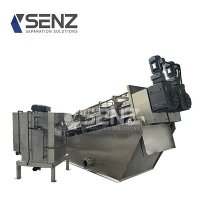

As a supplier of DDGS dewatering centrifuges, I understand the importance of proper maintenance to ensure the longevity and efficiency of these machines. In this blog post, I will discuss the maintenance requirements for a DDGS dewatering centrifuge, providing valuable insights for operators and owners.
I. General Maintenance Principles
Maintaining a DDGS dewatering centrifuge involves a combination of regular inspections, cleaning, lubrication, and component replacement. These practices not only prevent breakdowns but also optimize the centrifuge's performance, leading to better dewatering results and reduced operating costs.
II. Daily Maintenance
- Visual Inspection
- Before starting the centrifuge each day, conduct a visual inspection of the machine. Check for any signs of leaks, loose bolts, or damaged components. Look at the feed and discharge pipes for blockages or signs of wear.
- Inspect the electrical connections to ensure they are secure and free from damage. Any loose or frayed wires should be addressed immediately to prevent electrical hazards.
- Cleaning
- After each use, clean the centrifuge's exterior to remove any dirt, dust, or spilled material. This helps prevent corrosion and keeps the machine looking presentable.
- For the interior, flush the centrifuge with clean water to remove any remaining DDGS or other debris. This is crucial to prevent build - up, which can affect the centrifuge's balance and performance.
- Lubrication Check
- Check the lubrication levels of all moving parts, such as bearings and gears. Most DDGS dewatering centrifuges have specific lubrication points that need to be monitored regularly. Use the recommended lubricant as specified in the machine's manual.
III. Weekly Maintenance
- Vibration Analysis
- Perform a vibration analysis of the centrifuge. Excessive vibration can indicate misalignment, unbalanced loads, or worn - out components. Use a vibration analyzer to measure the vibration levels and compare them to the manufacturer's specifications.
- If the vibration levels are outside the normal range, stop the centrifuge immediately and conduct a more in - depth inspection to identify and correct the problem.
- Belt and Pulley Inspection
- Inspect the belts and pulleys for signs of wear, such as cracks, fraying, or excessive stretching. Tighten or replace any loose or worn belts to ensure proper power transmission.
- Check the alignment of the pulleys to prevent premature belt wear and ensure efficient operation.
- Seal Inspection
- Examine the seals in the centrifuge, including the shaft seals and gaskets. Leaking seals can lead to product loss and contamination. Replace any damaged or worn seals promptly to maintain the centrifuge's integrity.
IV. Monthly Maintenance
- Filter Cleaning or Replacement
- Many DDGS dewatering centrifuges are equipped with filters to remove fine particles from the feed. Clean or replace these filters on a monthly basis to prevent clogging and maintain proper flow rates.
- A clogged filter can reduce the centrifuge's efficiency and increase the risk of damage to other components.
- Motor Inspection
- Inspect the motor for proper functioning. Check the motor's temperature, as overheating can indicate problems such as overloading or poor ventilation.
- Listen for any unusual noises coming from the motor, which could be a sign of bearing failure or other internal issues.
- Control System Check
- Review the centrifuge's control system to ensure all sensors, switches, and controllers are working correctly. Calibrate the sensors if necessary to ensure accurate measurement and control of the dewatering process.
V. Quarterly Maintenance
- Component Replacement
- Based on the machine's usage and the manufacturer's recommendations, replace any components that have reached the end of their service life. This may include bearings, belts, and seals.
- Using genuine replacement parts is essential to ensure the centrifuge's performance and reliability.
- Alignment Check
- Check the alignment of the centrifuge's main components, such as the bowl and the drive system. Misalignment can cause excessive wear on the bearings and other parts, leading to premature failure.
- Use precision alignment tools to ensure the components are properly aligned according to the manufacturer's specifications.
- Performance Testing
- Conduct a performance test of the centrifuge to evaluate its dewatering efficiency. Measure the moisture content of the discharged DDGS and compare it to the desired levels.
- If the performance is below the expected standards, adjust the centrifuge's operating parameters or conduct further inspections to identify and correct the problem.
VI. Annual Maintenance
- Comprehensive Overhaul
- Once a year, perform a comprehensive overhaul of the DDGS dewatering centrifuge. This involves disassembling the machine, inspecting all components in detail, and replacing any worn or damaged parts.
- Clean and re - assemble the centrifuge, ensuring all components are properly installed and tightened.
- Calibration of Instruments
- Calibrate all the instruments on the centrifuge, such as flow meters, pressure gauges, and temperature sensors. Accurate instrument readings are essential for proper operation and control of the dewatering process.
- Documentation Update
- Update the maintenance records of the centrifuge, including details of all inspections, repairs, and component replacements. This documentation is valuable for tracking the machine's history and planning future maintenance.
VII. Related Centrifuge Products
In addition to DDGS dewatering centrifuges, we also offer a range of other centrifuge products. For sludge dewatering, we have the Centrifuge Machine For Sludge Dewatering, which is designed to efficiently separate water from sludge. Our Oil Water Separator is ideal for separating oil and water mixtures in various industrial applications. And for the food industry, we provide the Fruit Pulp Decanter Centrifuge, which can effectively separate fruit pulp from juice.
VIII. Conclusion and Call to Action
Proper maintenance of a DDGS dewatering centrifuge is essential for its long - term performance and reliability. By following the maintenance requirements outlined in this blog post, operators can ensure that their centrifuges operate at peak efficiency, reducing downtime and maintenance costs.
If you are interested in our DDGS dewatering centrifuges or any of our other centrifuge products, we encourage you to contact us for more information and to discuss your specific requirements. Our team of experts is ready to assist you in finding the best solution for your dewatering needs.


References
- Manufacturer's manual for DDGS dewatering centrifuge
- Industry standards for centrifuge maintenance
- Technical papers on centrifuge operation and maintenance