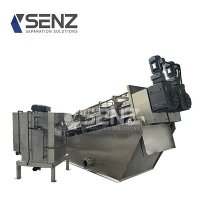

Hey there, wine enthusiasts and fellow connoisseurs! As a supplier of decantadors, I often get asked a ton of questions about what these nifty gadgets can and can't do. One question that pops up quite frequently is, "Can a decantador be used for fortified wines?" Well, buckle up, because we're about to dive deep into this topic and find out the answer.
First things first, let's talk about what fortified wines are. Fortified wines are basically regular wines that have had a distilled spirit, usually brandy, added to them. This addition of alcohol not only boosts the wine's alcohol content but also changes its flavor profile and aging process. Some well - known fortified wines include Port, Sherry, and Madeira. These wines can have a wide range of flavors, from sweet and rich to dry and nutty, and they're often enjoyed as after - dinner drinks or paired with desserts.
Now, let's get to the main question: can a decantador be used for fortified wines? The short answer is yes, but there are some things to keep in mind.
One of the main reasons people use a decantador is to separate the wine from any sediment that may have formed over time. Sediment is a natural by - product of the aging process in wines, and it can make the wine taste gritty or unpleasant if you drink it. Fortified wines, especially older ones, can develop a fair amount of sediment. So, using a decantador to remove this sediment can really enhance the drinking experience.
When you're decanting a fortified wine, it's important to do it slowly and carefully. Fortified wines are often more viscous than regular wines because of their higher alcohol content. This means that the sediment may settle more slowly, and you need to be patient when pouring the wine into the decantador. You don't want to stir up the sediment and end up with a cloudy, gritty glass of wine.
Another benefit of using a decantador for fortified wines is aeration. Aeration is the process of exposing the wine to air, which can help to open up the wine's flavors and aromas. Fortified wines can be quite complex, and aerating them can bring out their hidden nuances. However, you need to be careful not to over - aerate fortified wines. Unlike some regular wines that can benefit from long periods of aeration, fortified wines can lose their delicate flavors if they're exposed to air for too long.
Now, let's talk about the different types of decantadors that are suitable for fortified wines. There are several types of decantadors on the market, each with its own features and benefits.
One popular type is the traditional glass decantador. These are usually made of clear glass, which allows you to see the sediment as you're decanting the wine. They come in various shapes and sizes, from small, simple ones to large, elaborate ones. A good glass decantador should have a wide base and a narrow neck. The wide base allows for more surface area for aeration, while the narrow neck helps to control the flow of the wine and prevent sediment from being poured into the glass.
There are also some high - tech decantadors available. These may have features like built - in filters or pumps to make the decanting process easier and more efficient. For example, some decantadors can automatically separate the sediment from the wine, which can be really handy if you're dealing with a large amount of sediment.


As a decantador supplier, I've seen firsthand how different types of decantadors work with fortified wines. And let me tell you, it's always a pleasure to see customers enjoying their fortified wines after using one of our decantadors.
But wait, decantadors aren't just for wine! We also have some other interesting products. For instance, if you're into making your own soya milk, check out our Soya Milk Decanter Centrifuge. It's a great tool for separating the solids from the liquid in soya milk, giving you a smooth and delicious drink.
If you're more into fresh sugar cane juice, our Sugar Cane Juice Machine is the way to go. It can extract the maximum amount of juice from sugar cane, leaving you with a refreshing and natural beverage.
And for those who are concerned about environmental issues, we also offer solutions for Municipal Sewage Treatment. Our equipment can help in the efficient treatment of sewage, making our cities cleaner and greener.
If you're interested in purchasing a decantador for your fortified wines or any of our other products, we'd love to hear from you. Whether you're a home wine enthusiast or a professional in the food and beverage industry, we have the right decantador for you. Contact us to start a conversation about your specific needs, and we'll work together to find the perfect solution.
In conclusion, a decantador can definitely be used for fortified wines. It can help to remove sediment, aerate the wine, and enhance the overall drinking experience. Just remember to choose the right type of decantador and use it correctly. And don't forget to explore our other great products as well.
References
- Jackson, H. (2019). The World of Fortified Wines. Wine Press.
- Smith, R. (2020). Decanting: An Art and a Science. Beverage Journal.