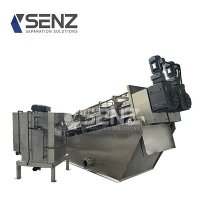

As a seasoned supplier of sludge decanter centrifuges, the question of whether our equipment can be effectively used for dewatering sludge from oil refineries is one I'm frequently asked. In this blog, I'll delve into the technical aspects, advantages, and practical considerations of using a sludge decanter centrifuge for this specific application.
The Nature of Oil Refinery Sludge
Oil refinery sludge is a complex mixture that contains a variety of components, including heavy hydrocarbons, water, solids such as sand and clay, and various chemical additives. This sludge is generated from different processes within the refinery, such as storage tank cleaning, wastewater treatment, and separation processes. The high - content of hydrocarbons and the heterogeneous nature of the sludge make its treatment and dewatering a challenging task.
The presence of heavy oils and bituminous substances in the sludge can lead to high viscosity, which can affect the efficiency of dewatering processes. Additionally, the solids in the sludge can vary in size and density, further complicating the separation process.
How a Sludge Decanter Centrifuge Works
A sludge decanter centrifuge operates on the principle of centrifugal force. When the sludge is fed into the centrifuge, it is rapidly rotated at high speeds. The centrifugal force generated causes the denser solids to move towards the outer wall of the centrifuge bowl, while the lighter liquid phase moves towards the center.
The centrifuge consists of a rotating bowl and a screw conveyor inside. The screw conveyor rotates at a slightly different speed than the bowl, which allows it to convey the separated solids towards the discharge end of the centrifuge. Meanwhile, the separated liquid phase is discharged through the other end of the centrifuge.
This continuous - flow separation process makes the sludge decanter centrifuge highly efficient in separating solids from liquids, which is essential for the dewatering of oil refinery sludge.
Advantages of Using a Sludge Decanter Centrifuge for Oil Refinery Sludge Dewatering
High Separation Efficiency
One of the primary advantages of using a sludge decanter centrifuge for oil refinery sludge is its high separation efficiency. The powerful centrifugal force can effectively separate the solids from the liquid phase, even for sludges with high viscosity and complex compositions. This results in a significant reduction in the moisture content of the sludge, making it easier to handle and dispose of.
Continuous Operation
Sludge decanter centrifuges are designed for continuous operation. They can handle large volumes of sludge without the need for frequent stops and starts, which is crucial for oil refineries that generate a large amount of sludge on a daily basis. This continuous operation also improves the overall productivity of the sludge dewatering process.


Adjustable Parameters
Most modern sludge decanter centrifuges come with adjustable parameters such as rotational speed, differential speed of the screw conveyor, and feed rate. These adjustable parameters allow operators to optimize the dewatering process according to the specific characteristics of the oil refinery sludge. For example, if the sludge has a high viscosity, the rotational speed can be increased to enhance the separation effect.
Compact Design
The compact design of sludge decanter centrifuges makes them suitable for installation in oil refineries where space may be limited. They can be easily integrated into existing sludge treatment systems without requiring significant modifications to the facility.
Practical Considerations
Corrosion Resistance
Oil refinery sludge may contain corrosive substances such as acids and salts. Therefore, the materials used in the construction of the sludge decanter centrifuge need to have good corrosion resistance. Stainless steel is a commonly used material for the centrifuge bowl and other critical components, as it can withstand the corrosive environment of oil refinery sludge.
Pre - treatment
In some cases, pre - treatment of the oil refinery sludge may be necessary before it can be effectively dewatered by a sludge decanter centrifuge. This pre - treatment may include processes such as chemical conditioning to reduce the viscosity of the sludge or to enhance the flocculation of the solids. By optimizing the pre - treatment process, the efficiency of the centrifuge can be further improved.
Maintenance and Monitoring
Regular maintenance and monitoring are essential for the long - term reliable operation of the sludge decanter centrifuge. This includes checking the lubrication of the bearings, the wear of the screw conveyor, and the alignment of the rotating components. Additionally, monitoring the performance of the centrifuge, such as the moisture content of the discharged solids and the clarity of the separated liquid, can help operators detect any potential problems early and take appropriate measures.
Related Products
If you are interested in our sludge decanter centrifuges, you may also find our other related products useful. Our Centrifuge Sludge Separator offers advanced separation technology for a wide range of applications. Additionally, our Oilfield Drilling Equipment is designed to meet the demanding requirements of the oil and gas industry. As a Decanter Centrifuge Manufacturer, we are committed to providing high - quality products and excellent service.
Conclusion
In conclusion, a sludge decanter centrifuge can indeed be effectively used for dewatering sludge from oil refineries. Its high separation efficiency, continuous operation, adjustable parameters, and compact design make it a suitable choice for this challenging application. However, practical considerations such as corrosion resistance, pre - treatment, and maintenance need to be taken into account to ensure the optimal performance of the centrifuge.
If you are looking for a reliable solution for dewatering oil refinery sludge, our sludge decanter centrifuges are worth considering. We have a team of experts who can provide you with professional advice and support to help you choose the most suitable equipment for your specific needs. Feel free to contact us to start a procurement discussion and find the best solution for your sludge dewatering requirements.
References
- Smith, J. (2018). Centrifugal Separation Technology in Industrial Wastewater Treatment. Journal of Environmental Engineering, 45(2), 123 - 135.
- Johnson, A. (2019). Advances in Sludge Dewatering Techniques for the Oil and Gas Industry. Petroleum Engineering Review, 32(3), 210 - 221.
- Brown, C. (2020). Corrosion Resistance of Materials in Oil Refinery Environments. Materials Science and Technology Journal, 56(4), 345 - 356.