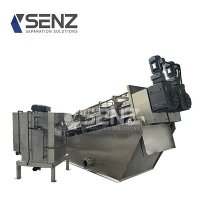

Ok, as a supplier of oil water separators, I'm gonna share with you the maintenance procedure for these important machines.
Why Maintenance Matters
First off, let's talk about why maintenance is so crucial. An oil water separator is designed to separate oil from water, which is super important in a bunch of industries. Whether it's in a manufacturing plant where there's oily wastewater from machinery, or in a marine setting to keep the water clean around ships. If the separator isn't maintained properly, it can lead to all sorts of problems. The separation efficiency can drop, which means more oil might end up in the water, causing environmental issues and potentially violating regulations. Also, a poorly maintained separator can break down, leading to costly repairs and downtime.
Pre - Maintenance Checks
Before you actually start the maintenance process, there are some checks you need to do. First, take a good look at the separator's physical condition. Check for any signs of leaks around the pipes, valves, and the separator tank itself. A small leak can turn into a big problem if not addressed early. You can use a simple visual inspection or even a leak - detection solution in hard - to - see areas.
Next, check the pressure gauges. These gauges can tell you a lot about how the separator is operating. If the pressure is too high or too low compared to the normal range, it could indicate a blockage or a problem with the pump. Make sure to record the pressure readings so you can track any changes over time.
Also, look at the level indicators. If the water or oil levels are abnormal, it might be a sign that something is wrong. For example, if the oil level is rising too quickly, it could mean that the separation process isn't working as it should.
Cleaning the Separator
One of the most important parts of maintenance is cleaning. Over time, oil, sludge, and other debris can build up inside the separator. This can reduce its efficiency and even damage the internal components.
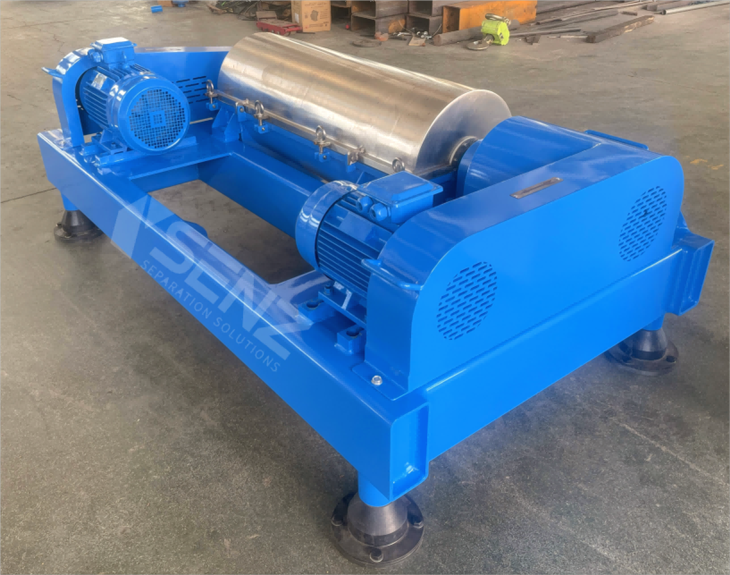

Start by draining the water and oil from the separator. Make sure to follow all the safety procedures and environmental regulations when disposing of the waste. Once the tank is empty, you can start cleaning the interior. You can use a mild detergent and a soft brush to scrub the walls and the bottom of the tank. Pay special attention to the areas where the oil and sludge tend to accumulate, like the corners and around the baffles.
After scrubbing, rinse the tank thoroughly with clean water. Make sure all the detergent and debris are removed. You might need to do this a few times to get the tank really clean.
Inspecting and Replacing Components
The next step is to inspect the components of the separator. The coalescer is a key part of the oil water separator. It helps the small oil droplets combine into larger ones, making it easier to separate them from the water. Check the coalescer for any signs of damage or clogging. If it's clogged, you can try cleaning it with a suitable cleaning solution. But if it's damaged beyond repair, it needs to be replaced.
The pump is another important component. Check the pump for any leaks, unusual noises, or vibrations. A faulty pump can affect the flow rate and the overall performance of the separator. If you notice any problems with the pump, it's best to have it serviced or replaced by a professional.
The valves in the separator also need to be inspected. Make sure they open and close smoothly and that there are no leaks. If a valve is stuck or leaking, it can disrupt the flow of water and oil through the separator.
Filter Maintenance
Most oil water separators have filters to remove smaller particles from the water. These filters need to be maintained regularly. Check the filters for dirt and debris. If they're dirty, you can clean them by back - washing or using a filter cleaner. However, if the filters are too damaged or clogged, they should be replaced. A good rule of thumb is to replace the filters according to the manufacturer's recommendations.
Lubrication
Some of the moving parts in the oil water separator, such as the pump and the motor, may require lubrication. Check the lubrication levels regularly and add lubricant as needed. Make sure to use the right type of lubricant recommended by the manufacturer. Over - lubrication can be just as bad as under - lubrication, so it's important to follow the guidelines.
Calibration
Periodically, you need to calibrate the sensors and gauges in the oil water separator. This ensures that the readings are accurate and that the separator is operating at its optimal level. You can use calibration equipment to adjust the sensors and gauges to the correct settings.
Additional Equipment Considerations
If you're in an industry where you also need to deal with other types of separation processes, you might be interested in some related equipment. For example, a Slurry Dewatering Centrifuge can be used to separate solids from slurry, which is useful in mining and construction industries. A Mud Centrifuge is great for separating mud and other solids from drilling fluids. And if you're in a food or pharmaceutical industry, a Protein Centrifuge can be used to separate proteins from other substances.
Conclusion
Maintaining an oil water separator is a continuous process that requires regular checks, cleaning, and component replacement. By following these maintenance procedures, you can ensure that your separator operates efficiently, lasts longer, and helps you meet environmental regulations.
If you're in the market for a new oil water separator or need more information about maintenance, don't hesitate to reach out. We're here to help you with all your separation needs and can offer expert advice on keeping your equipment in top - notch condition.
References
- General knowledge from years of experience in the oil water separator industry.
- Manufacturer's manuals for oil water separators and related equipment.